USCIS rescinds 2022 Public Charge rule, paving way for broader benefits review
DHS Restores 30-Day Adjudication Deadline for Asylum Work Permits
Henley Passport Index turns 20: U.S. slips to 10th despite record mobility gains
Latest News
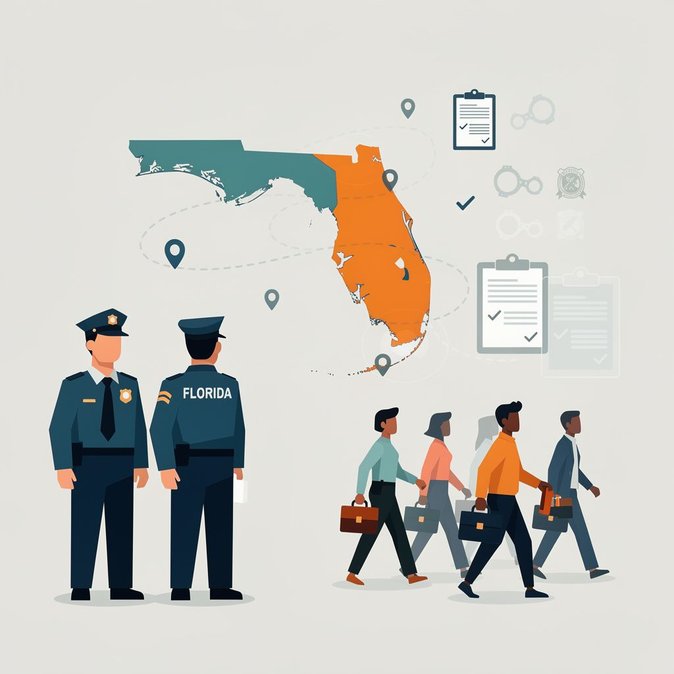
DHS–Florida Awards Highlight Joint Operations Targeting Unlawful Migration
At a 21 July 2026 ceremony, DHS and Florida officials hailed joint operations that yielded 20,000 immigration-related arrests over the past year. The spotlight on federal–state cooperation points to tighter enforcement in the Southeast and heightened compliance risks for employers with mobile workforces in Florida.
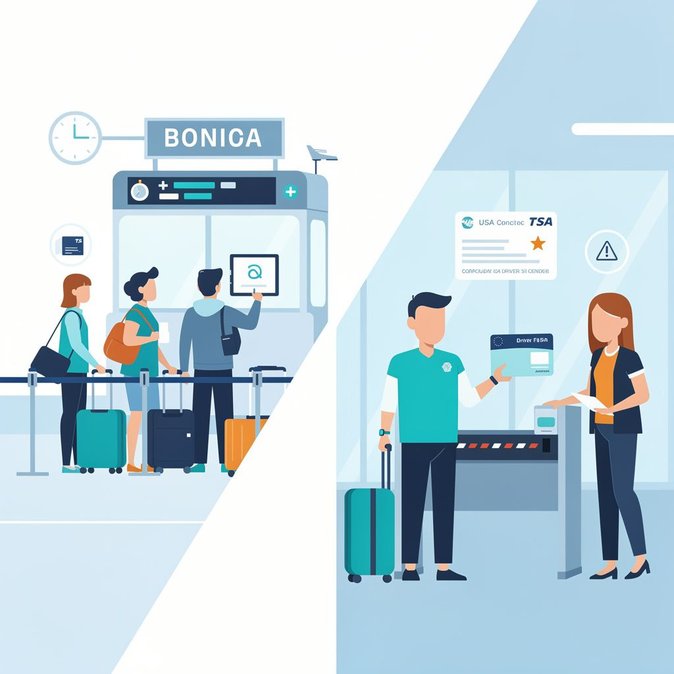
Delta Warns US Travelers: ETIAS, EES and REAL-ID Changes Now Live
Delta’s July 20 update reiterates that US citizens now need ETIAS pre-clearance to enter Schengen countries and warns of EES-related delays at European airports. Domestically, the airline reminds customers that non-REAL-ID licences will be invalid for US flights from 2027. Corporate travel teams must adjust booking workflows and ID-renewal timelines.

USCIS to Scrap 2022 Public-Charge Rule, Major Shift for Green-Card Applicants
USCIS confirmed on July 20 that it will revoke the 2022 public-charge rule effective September 18, 2026, returning officers to a wider discretionary test that counts non-cash benefits. Green-card applicants who file before that date remain under the current, narrower standard. Employers should fast-track adjustment cases and counsel foreign staff on benefit use.
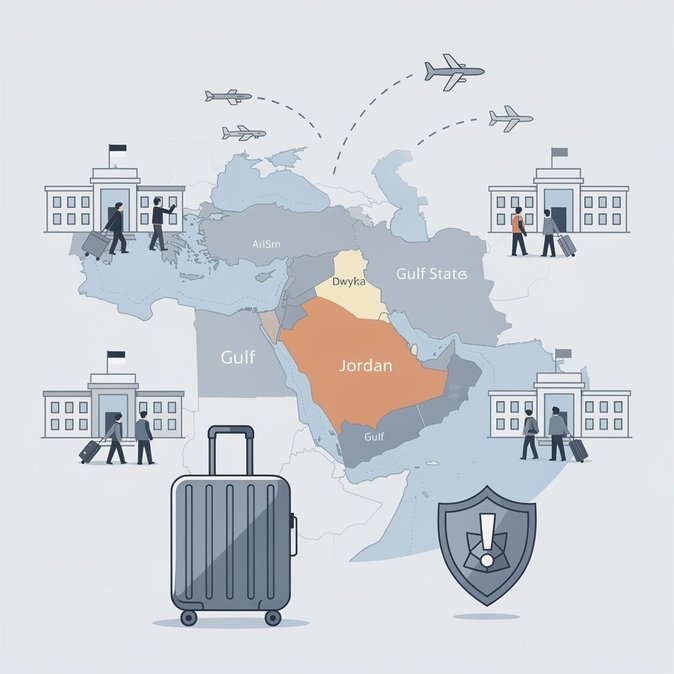
US Updates Middle East Travel Advisories as Tensions Escalate
The State Department raised its travel warnings for seven Gulf states and Jordan on July 20, citing intelligence on possible Iranian-backed attacks. US non-emergency staff have been withdrawn from several posts and routine visa services are suspended. Companies must revisit risk and evacuation plans as airlines cut schedules and insurers hike war-risk premiums.
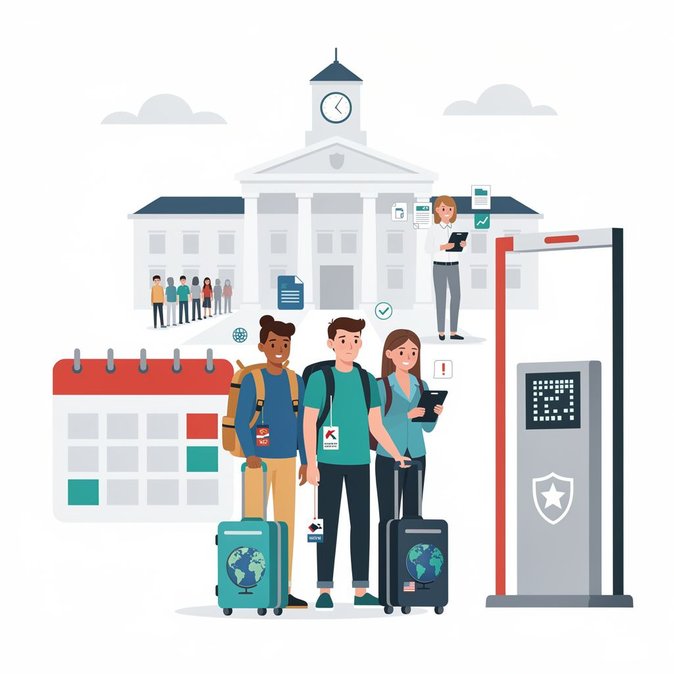
DHS Imposes Four-Year Limit on International Student Visas
DHS has ended the long-standing “duration of status” admission for F-1 and J-1 students, replacing it with a maximum four-year stay that can only be extended with government approval. Schools face added compliance burdens and international enrolments could decline, limiting a key talent pipeline for U.S. employers.
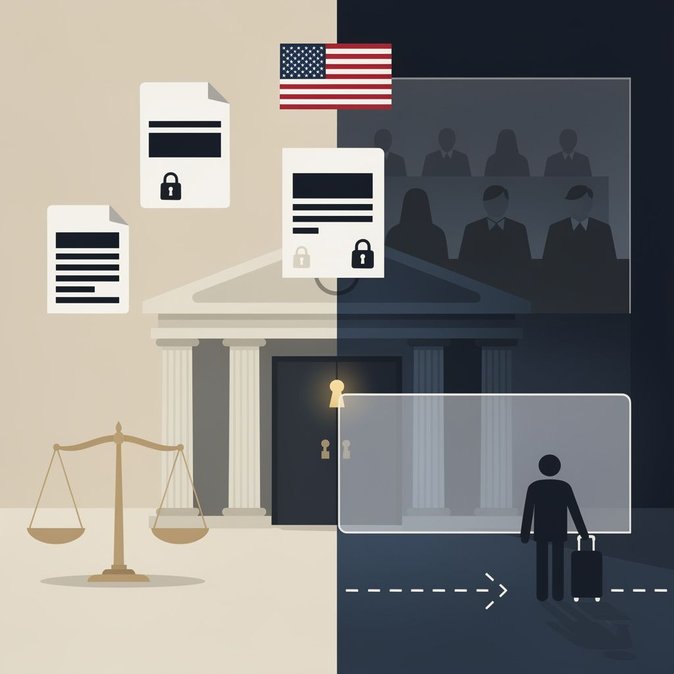
Justice Department invokes Alien Terrorist Removal Court for first-ever deportation case
The Justice Department has filed the first petition in the history of the Alien Terrorist Removal Court, a secret tribunal created in 1996 to deport non-citizens accused of terrorism. The move revives a long-dormant mechanism that allows classified evidence to be used behind closed doors, raising due-process concerns and signalling a tougher enforcement posture under the Trump administration.

DOJ Targets 10 Naturalised Offenders in Largest-Ever Denaturalisation Push
On July 20 DOJ revealed lawsuits to revoke the citizenship of ten naturalised criminals, signalling an aggressive new denaturalisation policy. The expansion beyond terrorism and war crimes means companies must double-check disclosure accuracy in employee naturalisation cases to avoid future status shocks.

Trump Administration Revives Expansive ‘Public Charge’ Rule
DHS has issued a final rule broadening the “public charge” test so that far more non-cash benefits can trigger green-card denials. The move revives a Trump-era policy, drawing immediate condemnation from immigrant-advocacy groups and setting the stage for fresh litigation. Employers sponsoring residency will face new documentation burdens and longer processing times.

New DHS rule caps F-1 student stay at four years, tightening compliance burden for U.S. universities
DHS has scrapped open-ended “duration of status” admissions for F-1 students and will instead grant a maximum four-year stay, with limited extension options through USCIS. Universities say the change adds red tape and could drive international talent elsewhere, while businesses relying on U.S.-trained graduates may face a smaller, less predictable hiring pool.

Secretive Alien Terrorist Removal Court Activated for First Time in 30 Years
The Trump administration has invoked the long-dormant Alien Terrorist Removal Court, filing the first-ever petition to deport a suspected “alien terrorist” using secret evidence. The move expands the toolkit of immigration enforcement and raises major due-process questions that could affect foreign professionals working in sensitive industries.

39 Senators press DHS to deploy body-worn cameras after fatal ICE shootings in Maine and Texas
In the wake of two deadly ICE enforcement shootings, 39 Senators have urged DHS to equip all agents with body-worn cameras, improve identification, and overhaul pursuit policies. The push for greater transparency could change the dynamics of workplace immigration raids and on-site inspections that affect global mobility programs.

E-Verify issues new Form I-9 instructions after court extends TPS work authorization for six countries
E-Verify has published updated Form I-9 and case-creation instructions for TPS beneficiaries from six countries, reflecting court-mandated extensions of their work authorization. Employers must enter specific expiration dates and note “as per court order,” or risk tentative non-confirmations and compliance penalties.

‘Mega-Masters’ Mass Hearings Speed Deportations, Lawyers Warn
An investigation on July 20 revealed that immigration courts are holding "mega-masters" hearings with 100-plus cases at once, aiming to slash the case backlog but triggering a surge in default deportation orders. Foreign employees in proceedings face higher risk of removal if notices are missed, demanding closer employer oversight.

Trump Administration Limits International Student Visas to Four-Year Stay
DHS has finalized a rule limiting F-1 and J-1 visa holders to a four-year stay, replacing the open-ended “duration-of-status” model. Schools warn the cap will deter talent and add red tape, while employers may face tighter recruiting pipelines. The rule takes effect in September and is expected to face legal challenges.
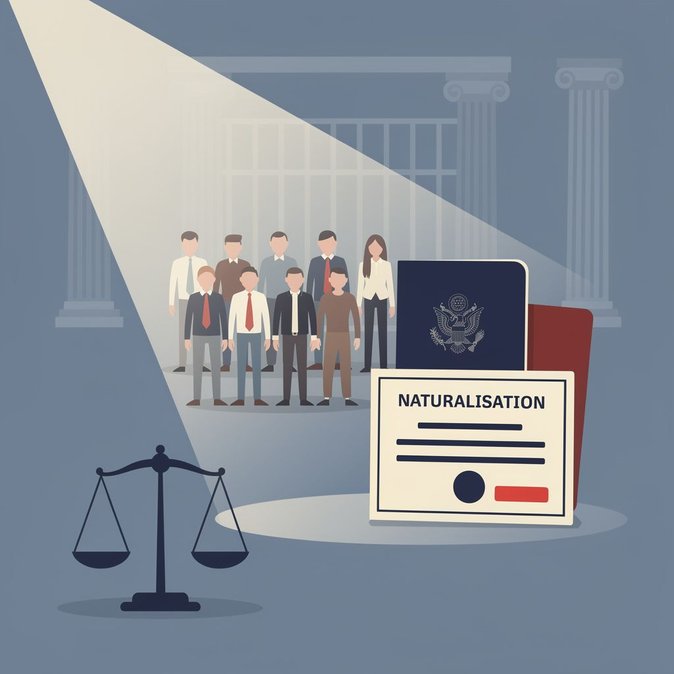
Justice Department Seeks Denaturalisation of Ten Criminal Immigrants
DOJ has sued to strip U.S. citizenship from ten individuals who allegedly hid serious criminal histories during the naturalisation process. The filings underscore an expanded federal effort to police naturalisation fraud, raising the stakes for applicants who fail to disclose past offenses.

Public-Health Advocates Slam Final ‘Public Charge’ Rule as Chilling Immigrant Access to Benefits
A final DHS rule broadens the ambiguous ‘public charge’ test, potentially allowing officials to deny visas or green cards if applicants—or their family members—use almost any means-tested benefit. The National WIC Association says the change will deter immigrant families from seeking food and health assistance, complicating compliance for employers sponsoring foreign workers.

Senators Demand ICE Body-Camera Mandate After Maine, Texas Shootings
A 39-member Senate coalition urged DHS on July 20 to equip all ICE agents with body-worn cameras and overhaul enforcement protocols after two civilian deaths. The push could reshape workplace raids and increase documentation of agent conduct.
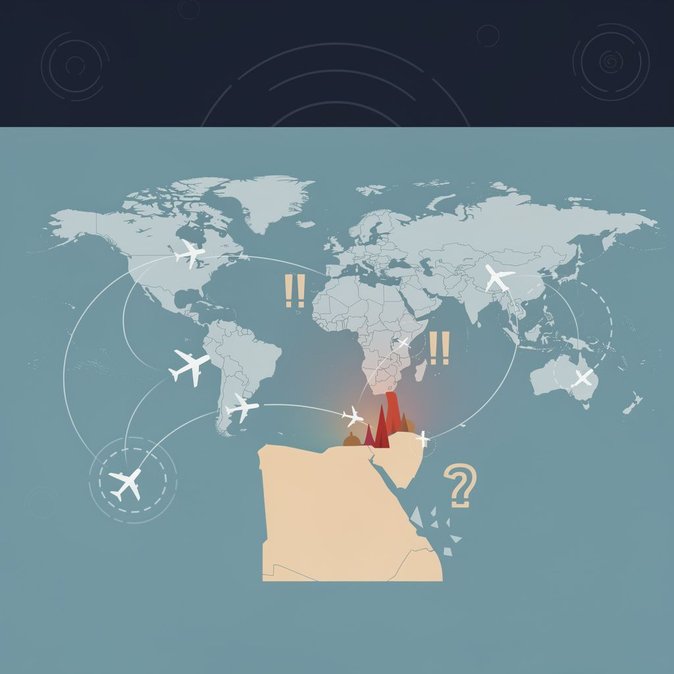
State Department renews worldwide caution as Gulf flights rebound after Iran-linked attacks
After Iranian attacks prompted temporary airspace closures, the U.S. State Department reiterated its worldwide caution, warning Americans of possible flight disruptions in the Gulf. Flights to Kuwait and Bahrain have started to resume, but companies should keep contingency travel plans in place as regional security remains volatile.