EU-UK summit kicks off in Brussels with youth mobility high on Austria’s watch-list
EU Biometric Border Checks Trigger Shift in Austrian Holiday Bookings
Summer getaway jams hit Austria’s south-bound corridors; expect delays at Suben and Bosruck
Latest News
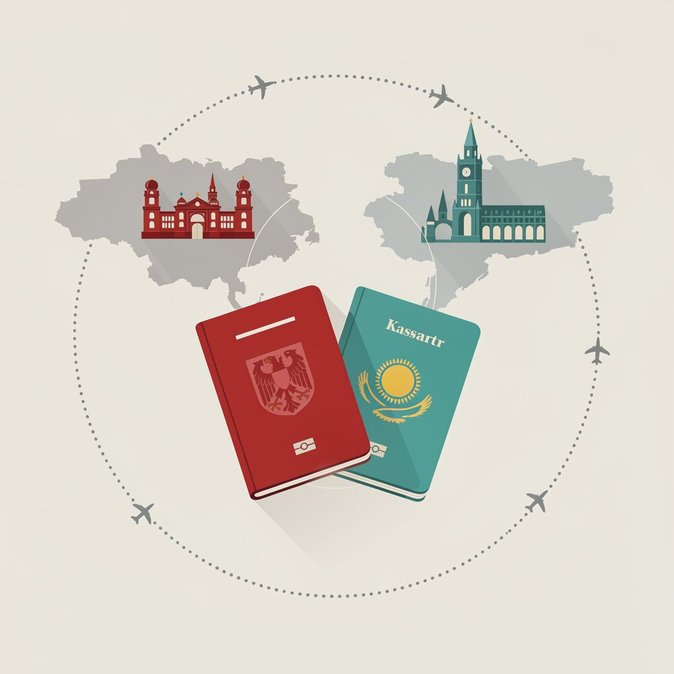
New Austria-Kazakhstan visa-waiver for diplomatic passports published in legal gazette
Austria has formally activated a reciprocal visa-free regime for diplomatic passport holders from Kazakhstan, eliminating Schengen visa requirements for up to 90-day stays. While limited in scope, the move facilitates high-level visits and signals potential for broader business-mobility talks between Vienna and Astana.

Peak-season Gridlock: Austria Warns Motorists of Longer Queues at Southern Borders
ORF Oberösterreich reports that Austrian and German border checks, combined with school-holiday getaways and major events such as the Hungarian Formula 1 Grand Prix, will create record road queues at key southern exits. Extra police, pilot fast-track lanes and shipper rerouting aim to ease—but cannot eliminate—delays that could exceed two hours at Suben and the Bosruck tunnel.
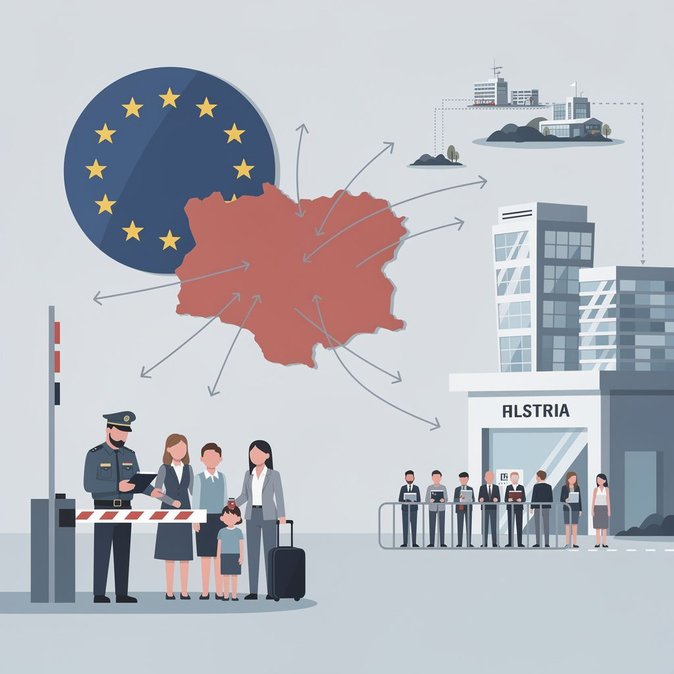
Austria’s Mid-Year Migration Balance Shows First ‘Minus-Zuwanderung’ in Two Decades
Austria removed 2,200 people in the first half of 2026 while recording just 2,016 first-time asylum applications—the first net outflow since 2003. Interior Minister Karner credits stricter border-zone controls, a freeze on family-reunification visas and EU-level cooperation. The government plans to introduce low quotas for family migration and is exploring offshore asylum-processing centres. Corporations should expect continued document checks at Schengen internal borders and potential delays in dependent-visa processing.
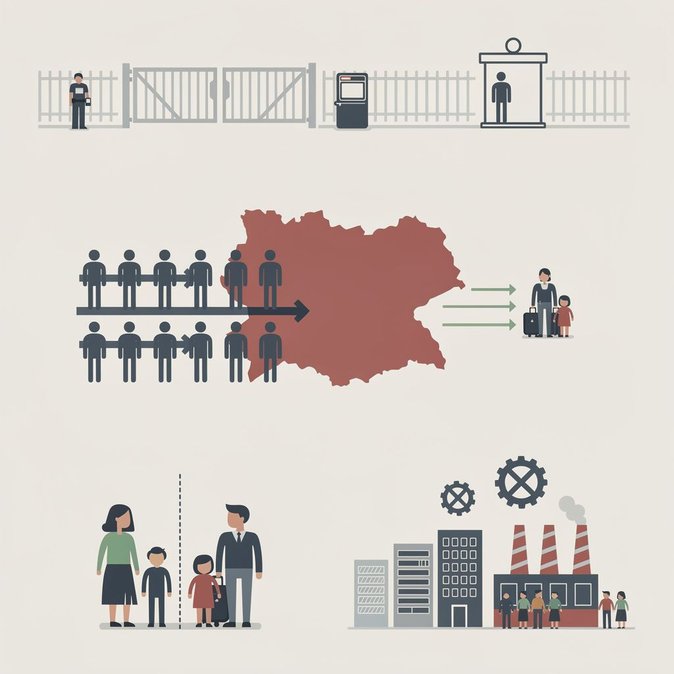
Austria reports first-ever ‘negative migration’ half-year as deportations outpace new asylum claims
Interior Minister Gerhard Karner revealed that Austria removed more people (2,200) than it admitted as new asylum applicants (2,016) in the first half of 2026—the first time in two decades the balance has been negative. The decline is linked to tougher external-border measures, ongoing Schengen land-border checks and a freeze on family-reunification visas. Employers should anticipate tighter labour-market inflows from humanitarian channels and possible quota-based limits on future family immigration.