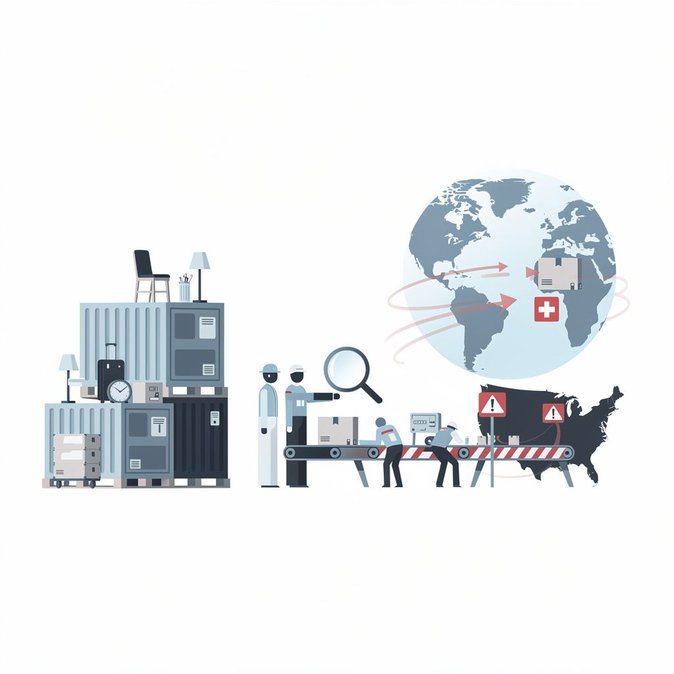
In an early-morning communiqué carried by Reuters, Switzerland’s Federal Council “categorically rejected” U.S. findings that certain Swiss-branded textile and electronics imports are tainted by forced labour. The rebuttal comes as Washington’s additional 10–15 % Section 307 duties automatically took effect at 00:01 EDT on 24 July, covering roughly CHF 640 million worth of annual exports. While the dispute is primarily trade-related, it lands squarely on the desks of global mobility and relocation firms that handle corporate household moves. Many shipments – from designer furniture to niche industrial equipment – are channelled through the same bonded freight providers that now must segregate tariff-exposed goods, adding documentary checks and potential storage delays at U.S. ports of entry. Several Swiss freight forwarders told Reuters they have placed a temporary hold on consolidated containers until U.S. Customs and Border Protection issues procedural guidance. For Swiss companies sending expatriates stateside in August or September this could translate into slower delivery of personal effects and higher insurance costs if goods sit longer in U.S. warehouses. Legal advisers also note that the forced-labour focus increases audit risk for global purchase programmes that ship branded merchandise as part of lump-sum packages – everything from promotional Swiss watches to corporate gifts. The State Secretariat for Economic Affairs (SECO) said Bern is “exploring all options” including a request for WTO consultations. Regardless of the eventual trade outcome, mobility managers are advised to brief transferees that unaccompanied cargo may face customs inspection backlogs and to build extra lead time into relocation timetables.
Source: Reuters via Investing.com