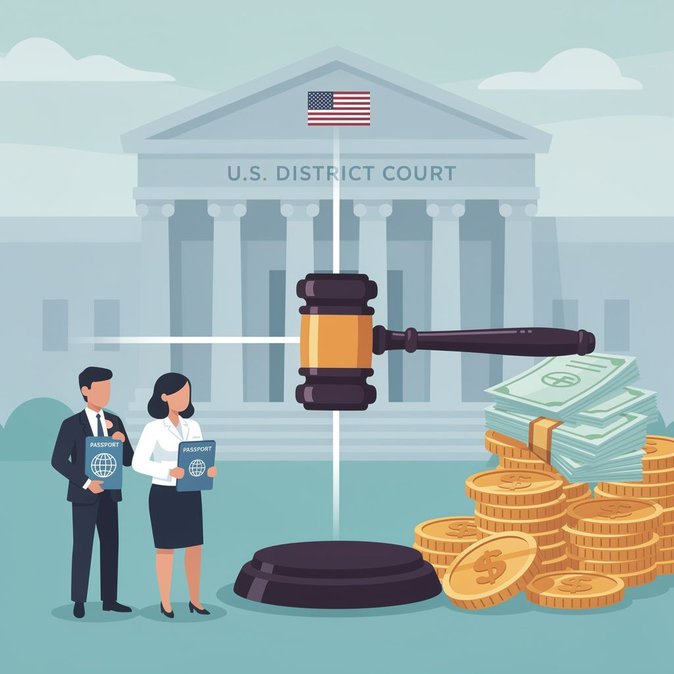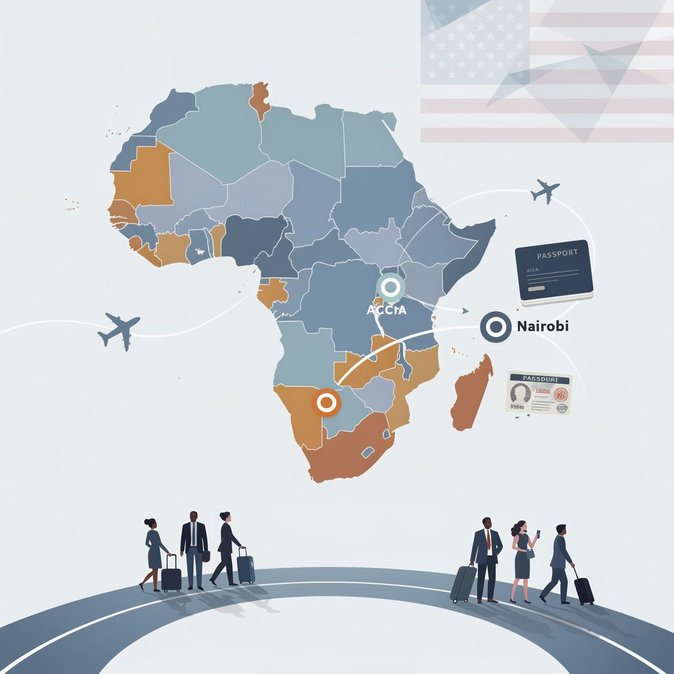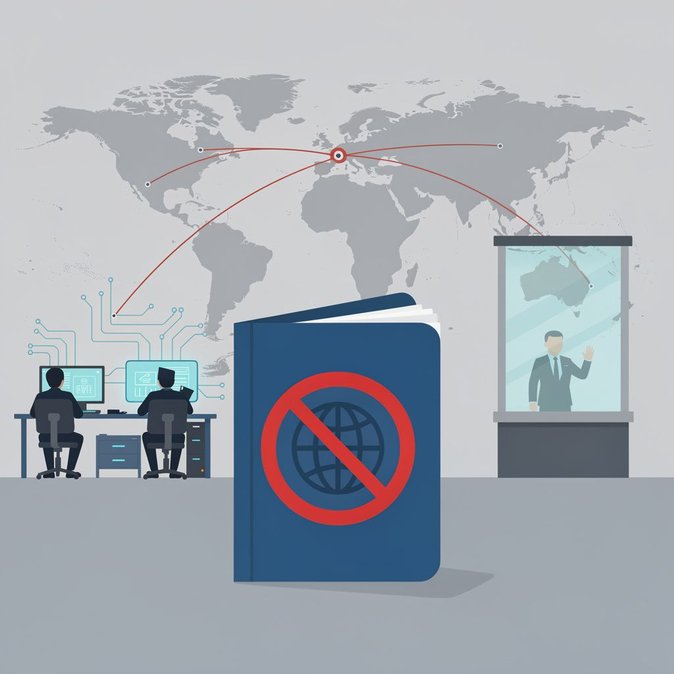
In a July 23 press statement issued from Manila, Secretary of State Marco Rubio announced a new visa-restriction policy aimed at individuals "responsible for, or complicit in, cyber-enabled financial fraud and sextortion schemes" that target American citizens. The policy allows consular officers worldwide to deny visas not only to alleged scammers but also to their immediate family members, even absent a criminal conviction. Rubio cited FBI estimates that U.S. victims lost more than US$10 billion to online investment and romance scams in 2024 alone, with a surge in so-called "pig-butchering" fraud orchestrated from call centers in Southeast Asia. He framed the move as the first use of immigration law as a stand-alone economic-security tool against transnational cybercrime. Under Section 212(a)(3)(C) of the Immigration and Nationality Act, the Secretary has broad discretion to impose travel bans when entry “would have potentially serious adverse foreign-policy consequences.” The State Department will compile a constantly updated list of targets using intelligence from the Treasury-led Scam Center Strike Force and blockchain-analysis firms that track illicit crypto flows. Multinational employers should note that employees working for platforms facilitating fraudulent crypto investments could find themselves subject to the ban. Consular officers are expected to apply a “reasonable belief” standard, meaning the evidentiary threshold is lower than in criminal proceedings. Visa-dependent entrepreneurs in high-risk sectors such as offshore trading apps and unlicensed payment gateways should review compliance programs urgently. Travel-risk managers must also prepare for secondary screening spikes as CBP officers receive periodic imports of the restricted-party list. Although the policy currently focuses on cyber-fraud, several Capitol Hill aides hinted it may expand to include AI-driven disinformation campaigns before the 2026 mid-term elections.
Source: Reuters