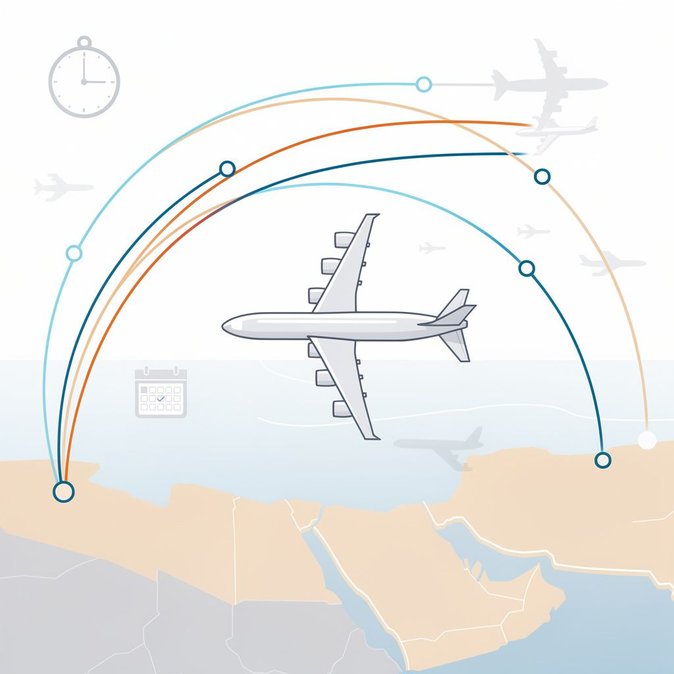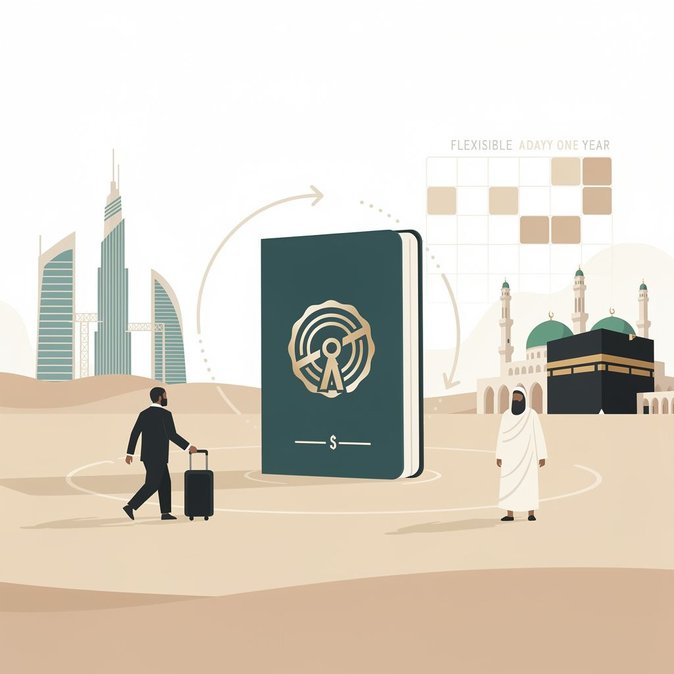
Saudi Arabia’s Ministry of Hajj and Umrah has launched a one-year, multiple-entry Umrah visa, and UAE travel agents report a surge of interest from residents looking to combine repeated pilgrimages with leisure trips. In a 24 July 2026 explainer, Khaleej Times compared the new permit with existing single- and multi-entry tourist visas, outlining costs (about Dh 600-650) and a 90-day annual stay limit. For UAE-based Muslims the product fills a gap: the standard tourist visa allows Umrah but restricts religious-only visits, while the traditional Umrah visa is single-entry. Corporate mobility teams employing large Saudi-national or Muslim expatriate workforces may see demand for short-notice weekend travel as staff capitalise on the easier process—something rosters and project timelines should anticipate. The launch also intensifies visa-ecosystem competition across the GCC. Abu Dhabi-based tour operators are packaging multi-stop itineraries that start with leisure in Dubai, segue into Umrah in Makkah and end with meetings in Riyadh using the same Saudi visa. Meanwhile, UAE authorities continue to streamline outbound e-visa issuance via integrated platforms that auto-populate data from Emirates ID, cutting paperwork for residents. Travel-risk consultants point out that Nusuk registration remains mandatory for Rawdah access and crowd management, meaning mobility managers must still brief travellers on the platform’s slot-booking rules. They also urge HR to clarify whether business-travel policies cover religious journeys if employees tag on personal Umrah days to a client visit in Jeddah or Riyadh. Over time, analysts expect the new visa to shift weekend traffic from regional airports such as Sharjah to Saudia-operated hubs in Jeddah and Madinah, prompting UAE carriers to tweak frequencies. For now, travel-management companies advise booking peak-season inventory early; hotel prices in Makkah are already tracking 15 % higher than last year.
Source: Khaleej Times