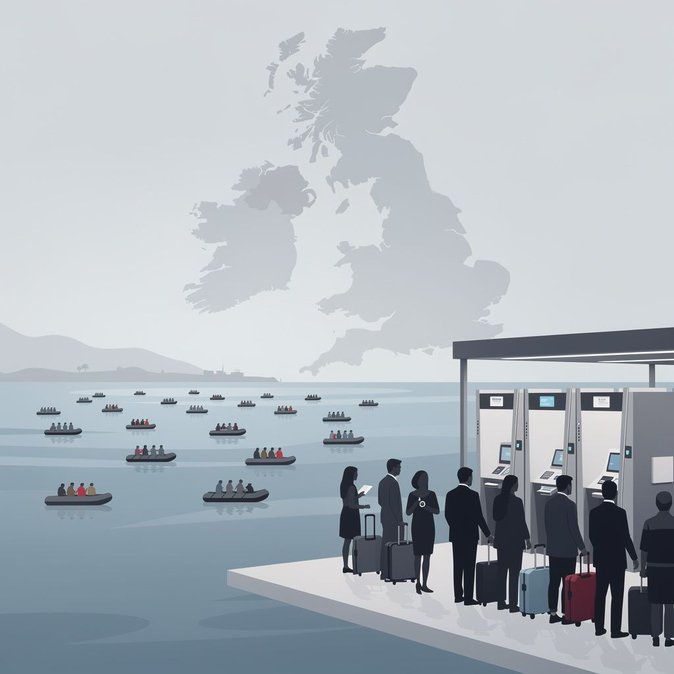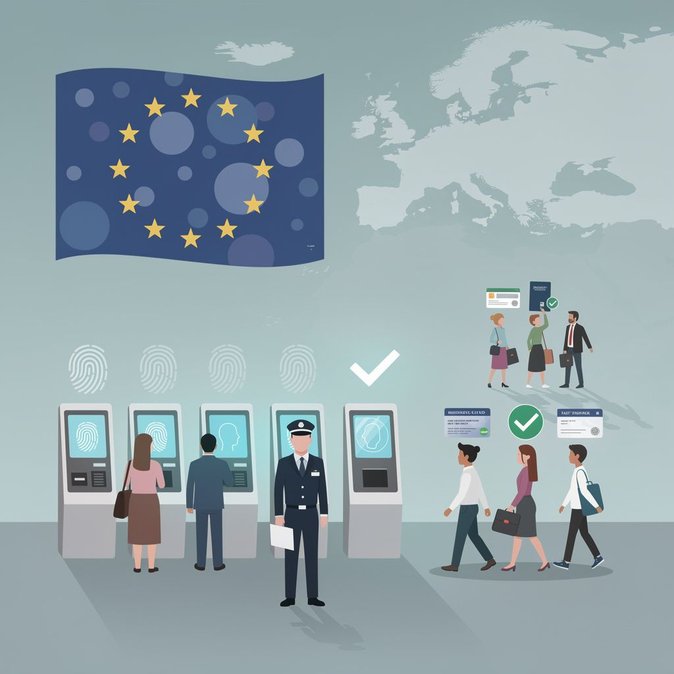
With the EU’s biometric Entry/Exit System (EES) now fully operational, the European Commission has published fresh guidance clarifying which travellers are exempt from fingerprint and facial-scan registration. Although the note is aimed at all non-EU nationals, it is particularly relevant for the 12 million annual UK visits to the Schengen Area. Under the rules, British citizens making short-term trips are still subject to EES checks, but the Commission confirms that UK nationals holding long-stay visas or residence permits issued by a Schengen country will not be enrolled in the database. Also exempt are non-EU family members of EU and EFTA citizens who already possess a residence card, and holders of passports from micro-states such as Monaco and San Marino. Travellers meeting exemption criteria will have their documents inspected manually instead of providing biometrics. For mobility managers, the clarification removes uncertainty for assignees who split their time between the UK and continental offices on national residence permits. Companies should ensure that staff carry physical proof of their status (for example, a French carte de séjour) to avoid unnecessary enrolment and border delays. Holiday-makers and frequent business travellers without long-stay status should continue to build extra time into itineraries, especially at juxtaposed controls in Dover, Folkestone and St Pancras where EES kiosks operate on UK soil. The publication comes as airlines and travel bodies press the Commission to allow flexibility during peak periods. While no concession has yet been given, officials say the exemption list will be kept under review, signalling that further tweaks are possible before ETIAS – the separate €20 travel authorisation – launches late next year.