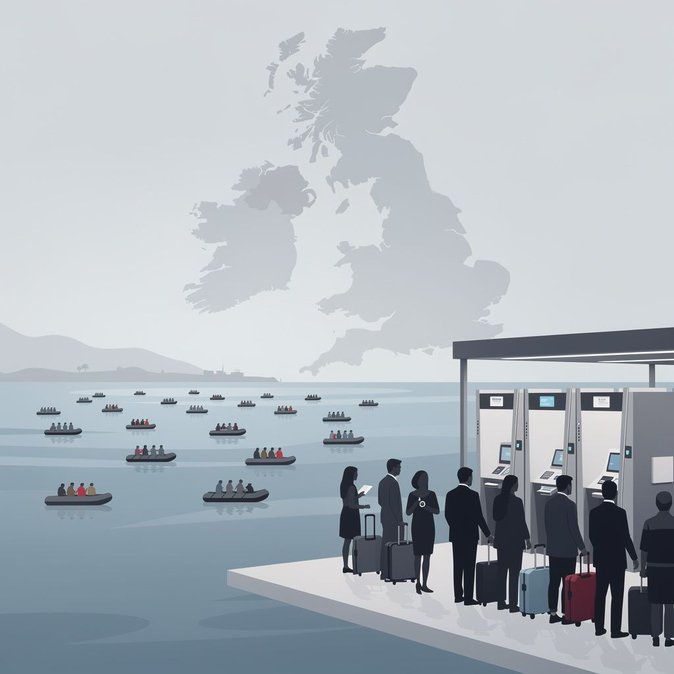
Transparency data released by the Home Office on 28 July 2026 reveal that 881 people reached the Kent coast in small boats between 22 and 25 July – the highest three-day total so far this summer. Daily tables show 172 arrivals on 22 July, 366 on 23 July and 103 on 24 July, followed by another 240 on 25 July once figures were finalised. No crossings were recorded on 26 or 27 July owing to poor weather. Although overall numbers for the year to date (12,410) remain 7 percent lower than the same period in 2025, officials privately concede that the trend is “edging back upward” as smugglers adapt to French patrol patterns. Industry analysts warn that sustained volumes will increase pressure on the government’s promised Immigration & Asylum Bill, which aims to make post-arrival relocation to Rwanda the “default” for inadmissible claims. For global-mobility and relocation specialists the statistics matter for two reasons. First, they shape the political climate in which legal migration routes are debated; spikes in irregular entry historically trigger tougher rhetoric on skilled-worker quotas. Second, prolonged use of reception centres diverts Border Force staffing from business-traveller e-Gates, potentially lengthening queues at Dover and at London airports during August peak travel. Whitehall has already redeployed 80 passport-control officers from Heathrow Terminal 4 to Manston processing site, according to PCS Union briefings. Major airlines have been advised to expect “dynamic staffing levels” at South East ports and to warn premium passengers that Fast-Track lanes may close at short notice. Companies should monitor the daily data drop (usually 09:00) and adjust travel-risk scores accordingly. Where assignment deadlines are tight, consider routing staff through Manchester or Birmingham airports, which have spare eGate capacity, until mid-August.
Source: Home Office (GOV.UK)