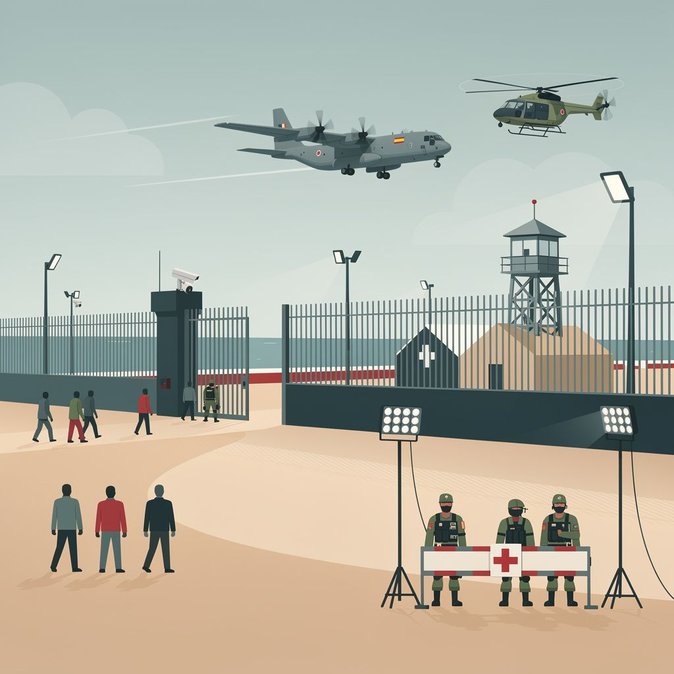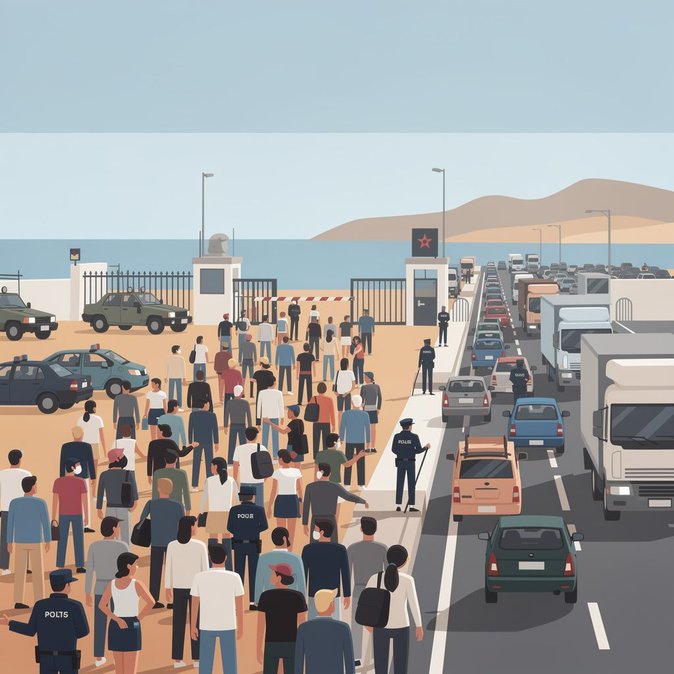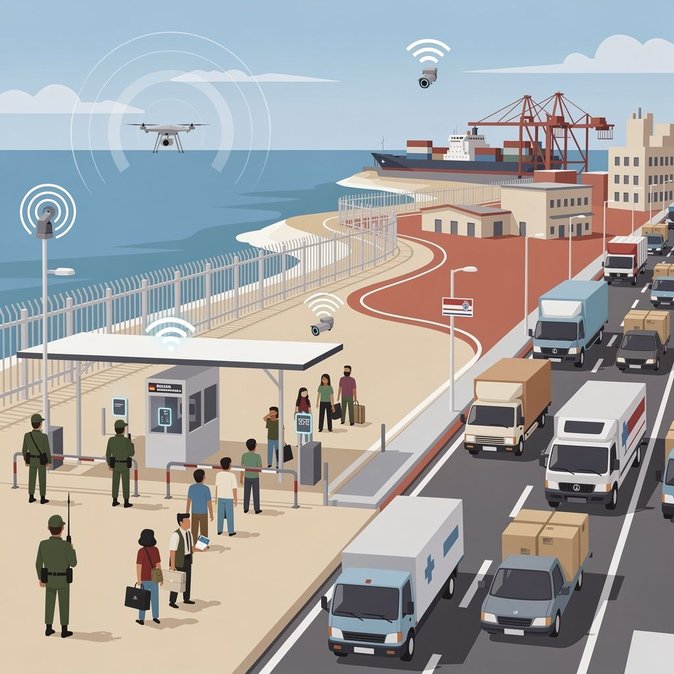
Within hours of Thursday’s unprecedented border breach in Ceuta, Spain’s cabinet authorised the immediate deployment of Army personnel already stationed in the enclave to back up the Guardia Civil. Defence sources told El País that infantry engineers and military police will erect modular fencing and provide nighttime surveillance so that border officers can focus on identification and returns. Helicopter overflights from the Army Aviation unit (FAMET) began shortly before dusk on 30 July. Interior Minister Fernando Grande-Marlaska will travel to Ceuta on 31 July to “assess needs on the ground and guarantee the safety of residents and the integrity of the EU’s southern border”. While Ceuta’s regional president Juan Jesús Vivas, along with opposition leader Alberto Núñez Feijóo, demanded that Spain declare a state of national emergency, the government ruled the measure out, noting that Spain’s Civil Protection law does not classify migratory pressure as grounds for such activation. Instead, Madrid and Rabat issued a joint communiqué pledging to “reinforce coordination” and organise expedited returns of recent entrants. For multinational employers, the decision has practical implications. A declaration of emergency would have allowed summary requisitioning of private transport assets and possible curfews; its absence means commercial operations in Ceuta’s logistics park and free-trade zone can continue, although heightened ID checks and military patrols around industrial estates are already causing minor delays. Cross-border workers – around 4,200 Moroccan residents who enter daily on special permits – must now clear biometric controls introduced in April under the EU’s Entry-Exit System, slowing morning peak flows. Political noise may also spill into Spain’s ongoing debate over immigration reform. Hard-right parties are linking the Ceuta events to this year’s extraordinary regularisation programme that accepted more than 1.1 million residence applications. Corporate mobility teams should expect a sharper compliance climate at other external gateways (Algeciras, Tarifa, Almería) as officials seek to demonstrate toughness. HR advisers recommend that assignees in Ceuta carry both passport and NIE documents at all times, register temporary domicile changes promptly, and avoid non-essential travel near the border fence until the situation stabilises. Companies moving sensitive goods should liaise with customs brokers about possible diversion to Cádiz or Valencia if port security levels rise. The Army’s presence is scheduled for an initial ten-day period but could be extended if return operations lag. Ultimately, Madrid hopes that visible but limited military support will reassure residents and EU partners without triggering the legal and economic complications of formal emergency powers – a balance that will be closely watched by other Schengen states facing fluctuating migration routes.
Source: El País