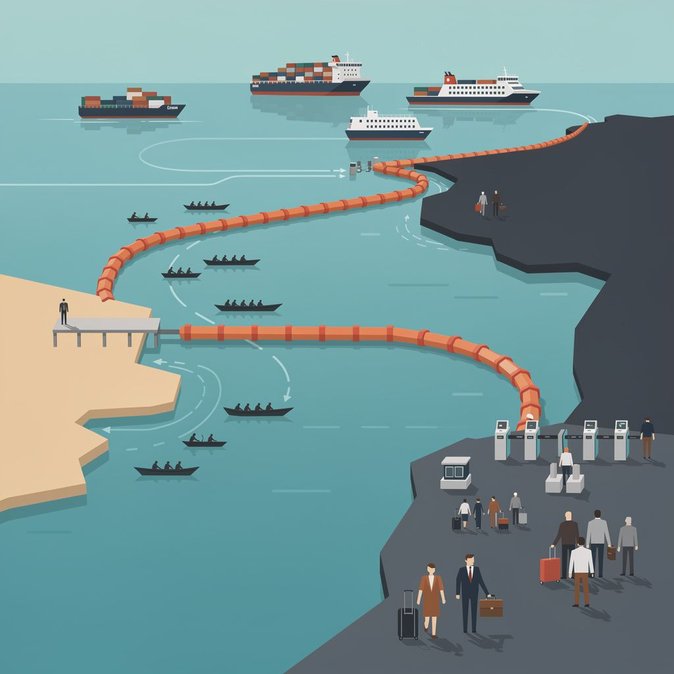
In a candid briefing before parliament, senior officials from Spain’s Interior and Defence ministries acknowledged that they failed to spot early warning signs of the mass crossing that overwhelmed Ceuta on 31 July. According to leaked Guardia Civil reports, small groups of swimmers had been increasing steadily since late June, but wildfire emergencies on the mainland diverted ministerial attention. By the time alarms were raised, over 50 000 people had already poured across the breakwaters. Prime Minister Pedro Sánchez met Ceuta’s regional president Juan J. Vivas on Friday and conceded that “better intelligence sharing with Morocco and within EU structures” might have prevented the surge. The admission has fuelled opposition claims that Spain’s crisis-management protocols are outdated and overly centralised. Parties on the right are demanding a parliamentary commission and tighter rules on returns “in hot pursuit,” while the left-wing Sumar coalition blames Rabat for orchestrating an “operation of destabilisation.” For global companies the political fallout matters because it may accelerate reforms to Spain’s 2024 immigration regulation. A draft Royal Decree circulating in Brussels would expand summary expulsions for sea arrivals but also open faster humanitarian corridors for vetted workers. That split approach could change the compliance landscape for seasonal-labour programmes in agriculture and logistics. Meanwhile, local authorities in Ceuta have restricted non-resident vehicle traffic near the port, causing delays of up to four hours for freight forwarders. Employers with staff transiting via Algeciras or Tarifa are urged to reroute through Málaga or Seville until queues ease. The government has promised an “after-action review” by mid-September, but industry groups fear bureaucratic gridlock could stall practical improvements ahead of 2027’s high season. The episode underscores a wider EU dilemma: how to balance rapid information-sharing on external borders with the free flow of people and goods inside Schengen. Until new early-warning systems and the Entry/Exit biometric gate are fully operational, mobility stakeholders face a period of policy volatility on Spain’s southern flank.
Source: El País