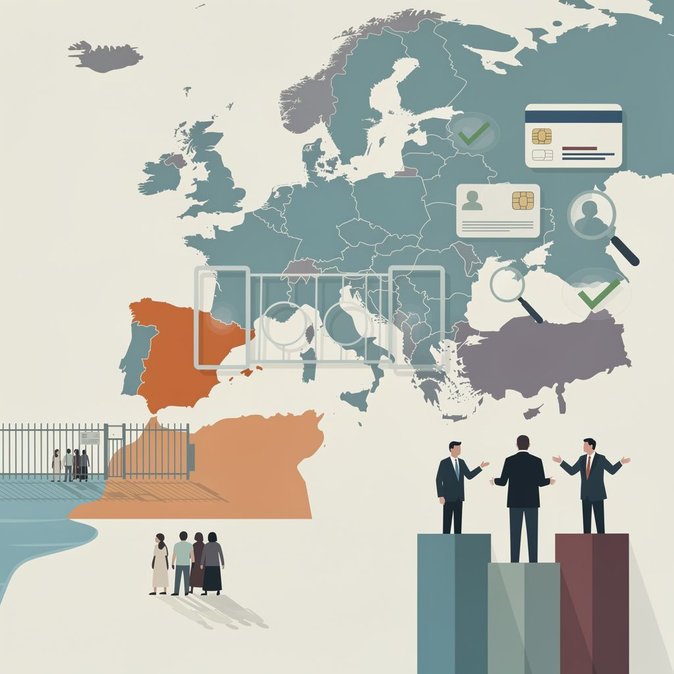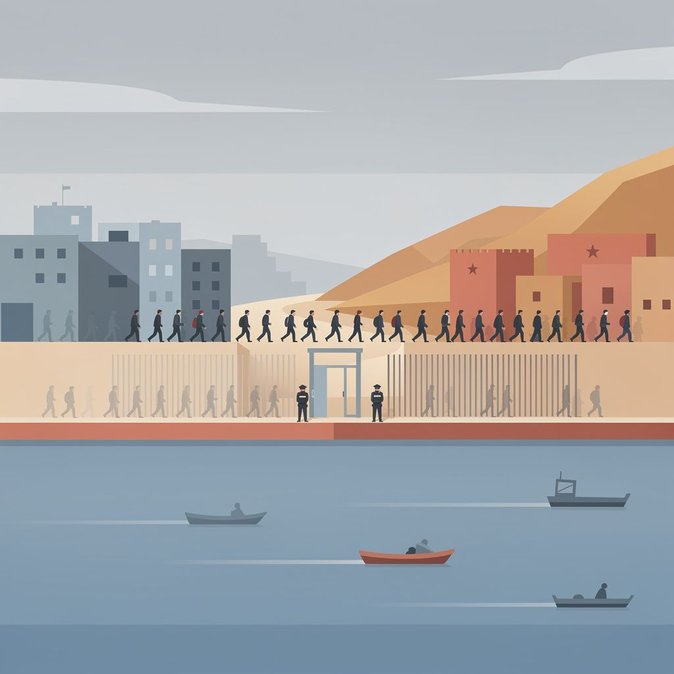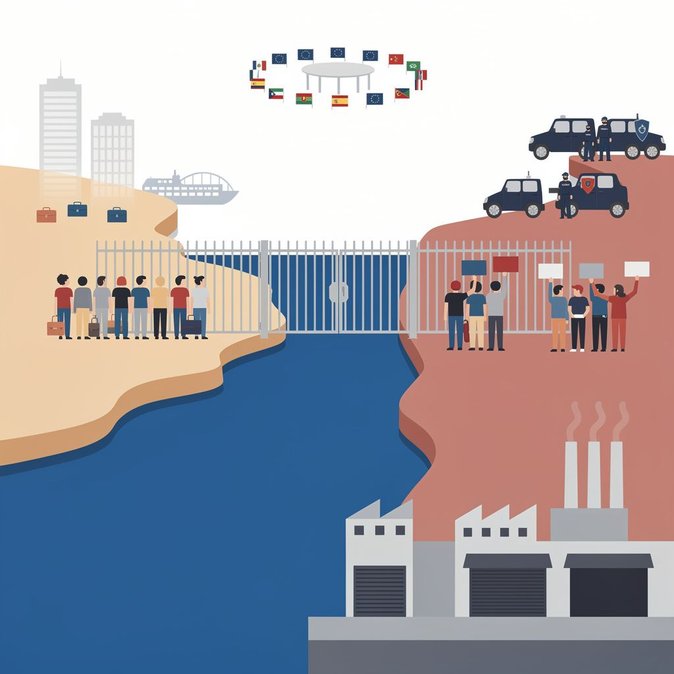
Ceuta, the Spanish enclave on the northern coast of Africa, was back to business on Sunday, 2 August, but the after-shocks of the biggest uncontrolled border crossing in modern Spanish history are still reverberating. Local authorities say that of the 50,000–60,000 mostly young Moroccan men who flooded across the frontier on 30–31 July, the vast majority have already walked back to Morocco. Streets, cafés and beaches have reopened, yet residents and businesses remain shaken. Spanish rescue services and the Guardia Civil continue to comb the waters for bodies; the confirmed death toll stands at 72, with victims drowning or being trampled in the crush along the break-water. Hoteliers report a wave of cancellations as tour operators reassess security perceptions, and several multinational manufacturers with plants across the strait in Algeciras have triggered contingency plans for cross-border staff movements. Politically, the incident has turned Ceuta into a stage for Europe’s immigration debate. Far-right influencers and Vox politicians flew in over the weekend demanding expulsions, prompting counter-demonstrations from local Muslim youth groups who denounced what they called “political tourism.” The Interior Ministry has bolstered police numbers by 1,200 and activated fast-track asylum screening teams, but officials admit that existing reception facilities were stretched to breaking point. For global mobility managers the episode is a warning shot. It exposed how rapidly a Schengen external border can become overwhelmed, paralysing commercial ferries, disrupting freight flows and stranding travellers on both sides. Companies with assignees in Ceuta, the neighbouring port of Algeciras or the Tangier free-trade zone are being advised to review evacuation protocols, track employees’ immigration status in real time and build in flexibility for sea-crossing routes that may be suspended at short notice. Longer-term, Madrid is expected to press the EU for additional Frontex support and funding to increase reception capacity, while also resurrecting talks with Rabat on joint labour-migration schemes that offer legal pathways for Moroccan workers. Whether that twin approach of tougher controls and more regular visas can restore confidence among investors and travellers will be a key test in the months ahead.
Source: Associated Press