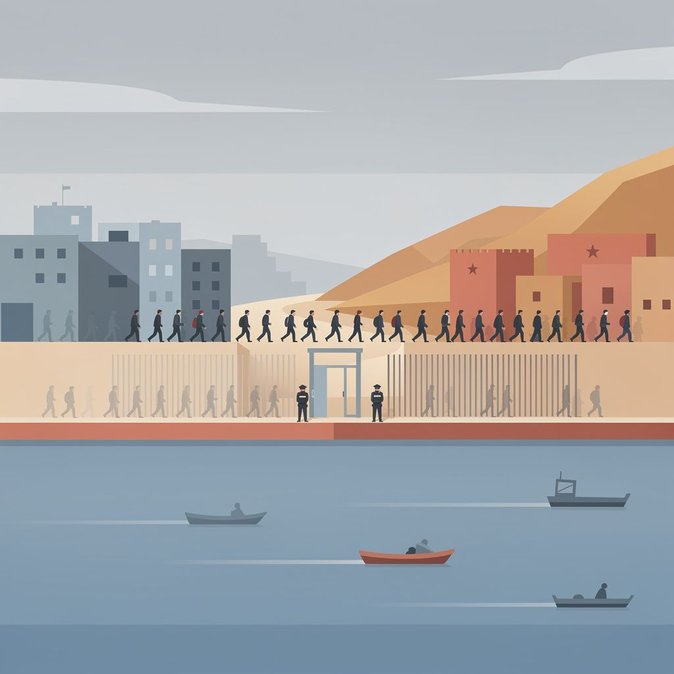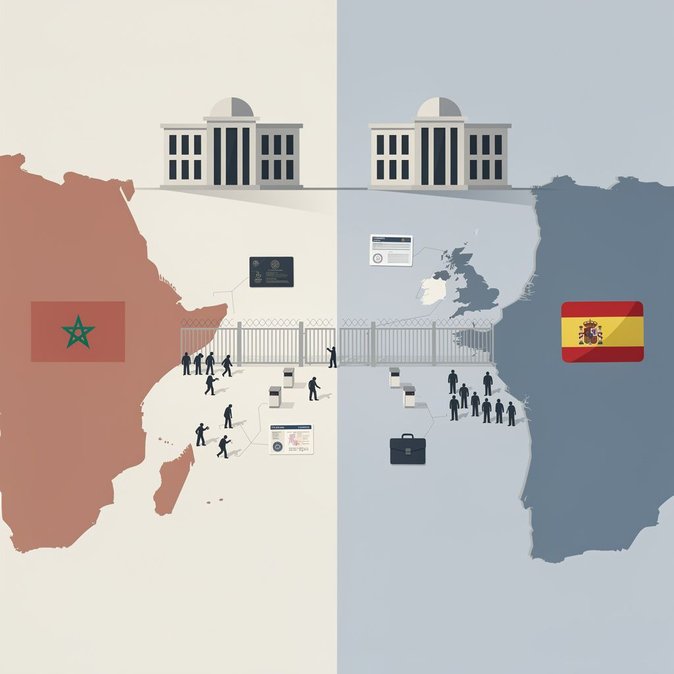
Three days after at least 70 people died trying to reach Ceuta, Morocco’s government has yet to issue an official statement—a silence that Spanish diplomats call “deeply troubling.” Progressive Moroccan media outlets and the opposition Parti du Progrès et du Socialisme have broken ranks, blaming youth unemployment and inequality for the exodus and urging Rabat to explain its role. Spanish foreign-affairs officials fear the information blackout could hinder joint investigations into the deaths and complicate the repatriation of bodies. The episode comes as Morocco heads into parliamentary elections in October, where migration management and relations with Spain are hot-button issues. Trade groups worry that escalating rhetoric could derail recent progress in cross-strait infrastructure projects, including the planned subsea power interconnector and the Tangier–Algeciras rail upgrade—both critical to Spanish exporters. Any diplomatic freeze could also affect the seasonal-worker programmes that bring some 20 000 Moroccan farm labourers to Andalusia each year. For global mobility practitioners, deteriorating dialogue could translate into longer visa lead-times at Spanish consulates in Casablanca and Tangier and stricter scrutiny of labour-contract documentation. Companies should anticipate possible processing delays and keep contingency labour-supply options open. EU observers note that Spain has historically relied on Morocco to police irregular departures; continued silence in Rabat may signal a recalibration of that cooperation, with potential ripple effects across the Western Mediterranean migration route.
Source: El País