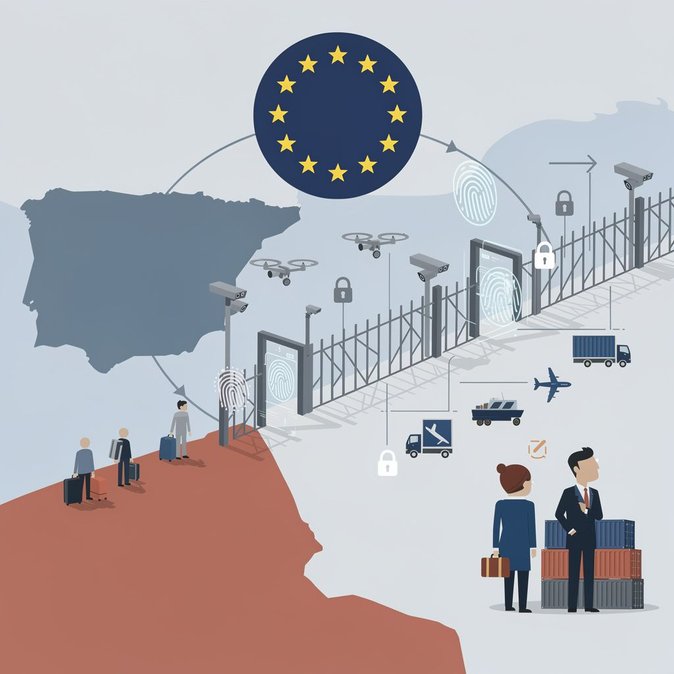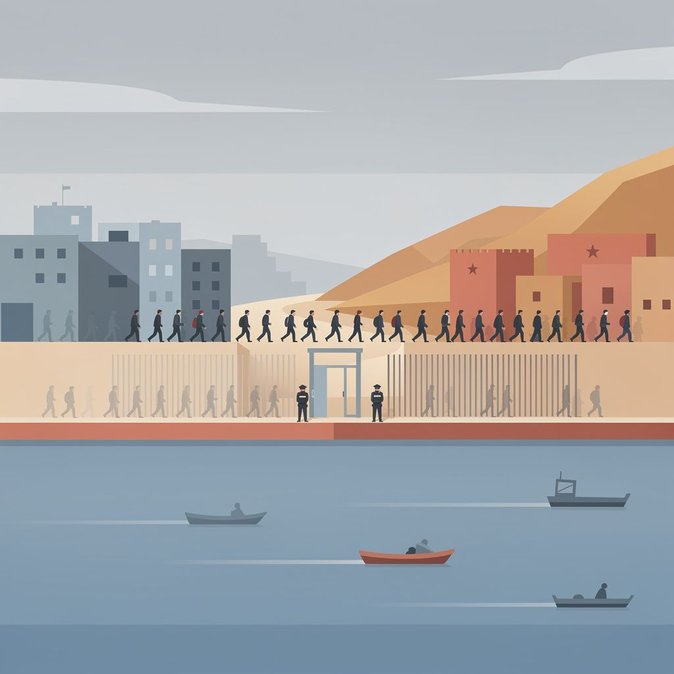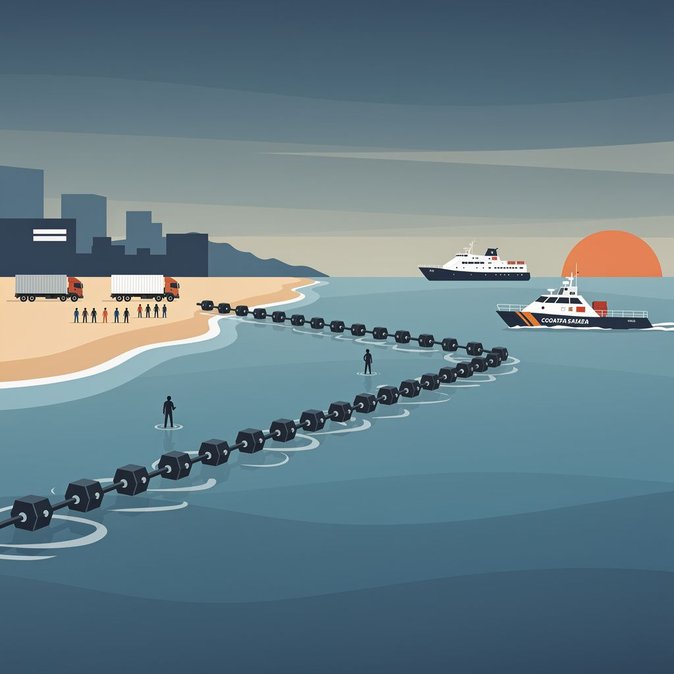
Less than 48 hours after the largest ever mass entry attempt into the Spanish enclave of Ceuta, Madrid has begun deploying a 500-metre floating barrier designed to prevent further swims around the Tarajal break-water. Army engineers and the Guardia Civil started installing the modular pontoons at first light on Saturday, 1 August, following an emergency order signed by Interior Minister Fernando Grande-Marlaska. The decision comes after an estimated 50,000–60,000 mostly Moroccan youths stormed the frontier on Thursday and Friday, leaving at least 67 dead from drowning and crush injuries. Officials say the barrier, anchored just metres inside Spanish waters, will give security forces crucial minutes to intercept swimmers before they reach the beach and claim asylum. Similar devices are already in use on the Greek–Turkish border at Samos; Spain’s version includes infrared beacons linked to Ceuta’s integrated external-surveillance (SIVE) system, allowing drone and thermal-camera tracking at night. Business travel and cross-border trade had ground to a halt while the port remained closed for search-and-rescue operations. Shipping agents told El País that ferry services to Algeciras should resume on Monday once the last segment is in place, but warned of stricter ID checks and potential cargo delays. Freight forwarders serving West Africa via Ceuta are advising clients to reroute via Cádiz for the next week. Human-rights groups criticised the rapid militarisation, arguing that structural causes—youth unemployment in northern Morocco and false online rumours that Spain had ‘opened its borders’—remain unaddressed. The government counters that the barrier is temporary and will be reviewed every 30 days. For multinational companies rotating staff through the enclave’s logistics hub, the message is clear: expect heightened controls, longer dwell times and a zero-tolerance stance on undocumented entry. With peak summer tourism under way, hoteliers fear reputational damage but welcome the physical reassurance. “If we can guarantee safe, orderly crossings, the city can start to repair its image,” said Juan Manuel Domínguez, president of the Ceuta Business Confederation.
Source: Associated Press