Spain Installs 500-Metre Sea Barrier at Ceuta After Deadly Mass Crossing
Spain Installs 500-Meter Sea Barrier After Deadly Ceuta Border Rush
Government Admits Intelligence Failures Ahead of Ceuta Crisis
Latest News
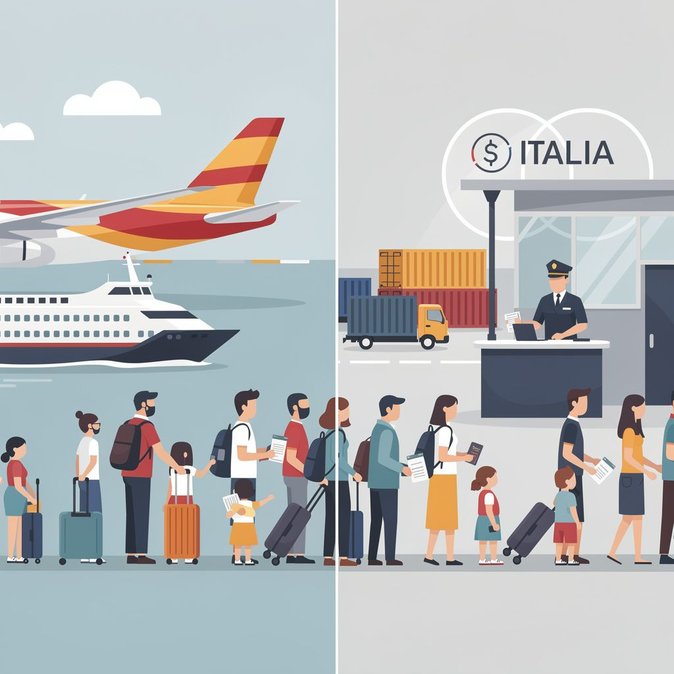
Italy Reintroduces Checks on Travellers from Spain, Citing Ceuta Migrant Wave
Italy has activated passport checks on all Spain-origin flights and ferries, effectively suspending seamless Schengen travel between the two countries for 30 days. The step—linked to Ceuta’s migrant surge—creates new bottlenecks for tourists, expatriates and freight operators at the height of summer traffic. Travellers should prepare for longer queues and carry proof of legal residence or work status.
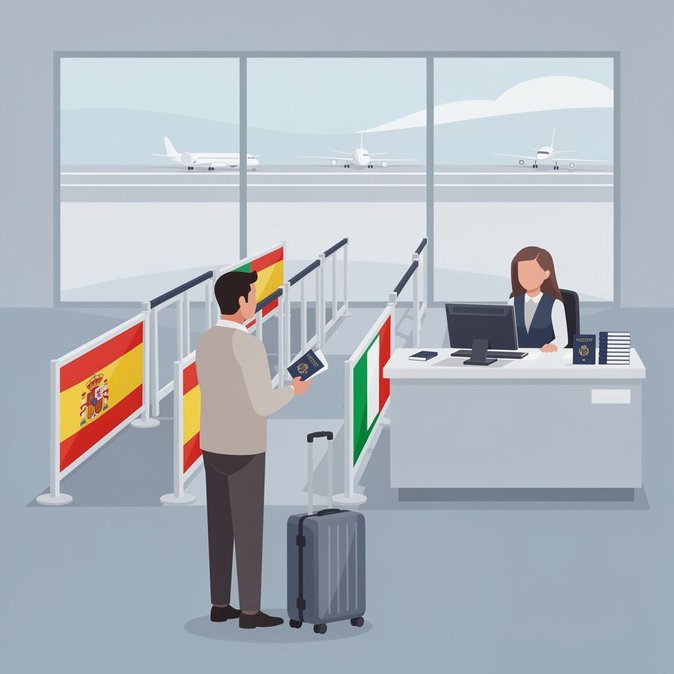
Italy Temporarily Re-introduces Schengen Checks on Flights and Ferries from Spain; 22 EU States Urge Emergency Meeting
Citing the Ceuta crisis, Italy has re-imposed random passport checks on non-EU passengers arriving from Spain and joined 21 other EU states in urging an emergency meeting on border security. The step signals possible cascading controls across the bloc, lengthening travel times and adding paperwork for business travellers moving between Spain and other Schengen destinations.
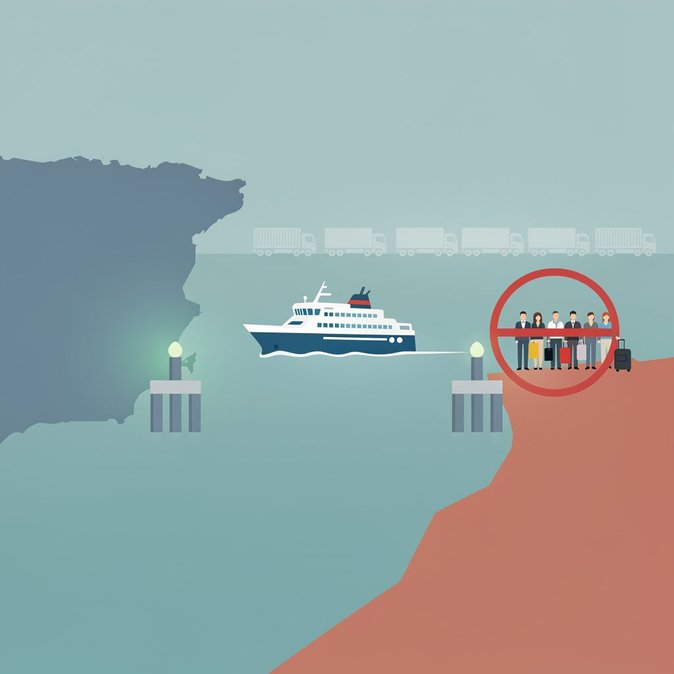
Ferry Line Motril–Melilla Restricts Boarding to Residents After Border Closure
Spain’s Civil Guard has limited the Motril–Melilla ferry to Spanish citizens, enclave residents and close family, stranding scores of Moroccan passengers. The maritime curb is tied to capacity strains after Ceuta’s border crisis and could ripple through freight supply chains serving Melilla. Companies should verify eligibility before booking sailings and consider alternative routes via Algeciras.
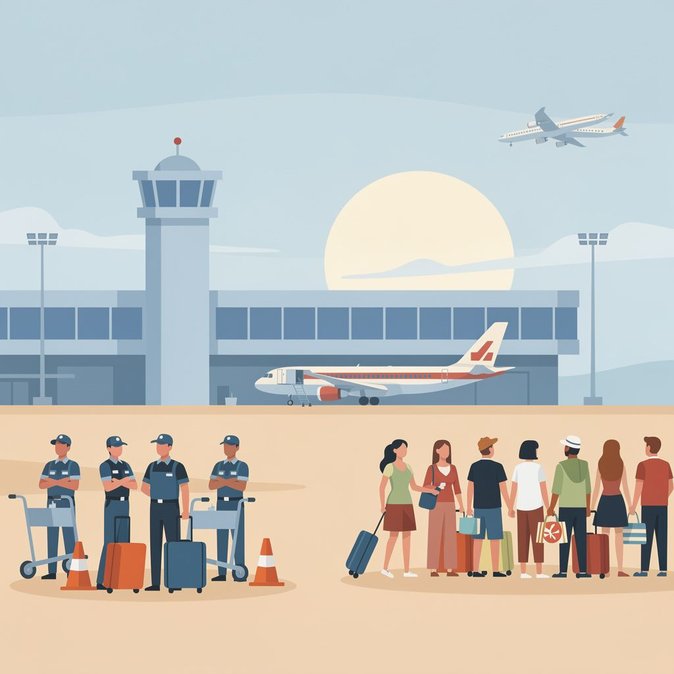
Swissport Handling Staff at Palma de Mallorca Accuse Company of ‘Abusive’ Minimum-Service Order as Strike Continues
Union CCOO claims that a government-backed order forcing 98 % of Swissport ground staff to work during a partial strike at Palma de Mallorca Airport violates the constitutional right to strike. Although disruption has been limited, more walk-outs are planned on 4 and 8 August, prompting airlines and mobility managers to build extra buffers into itineraries during Spain’s peak holiday season.
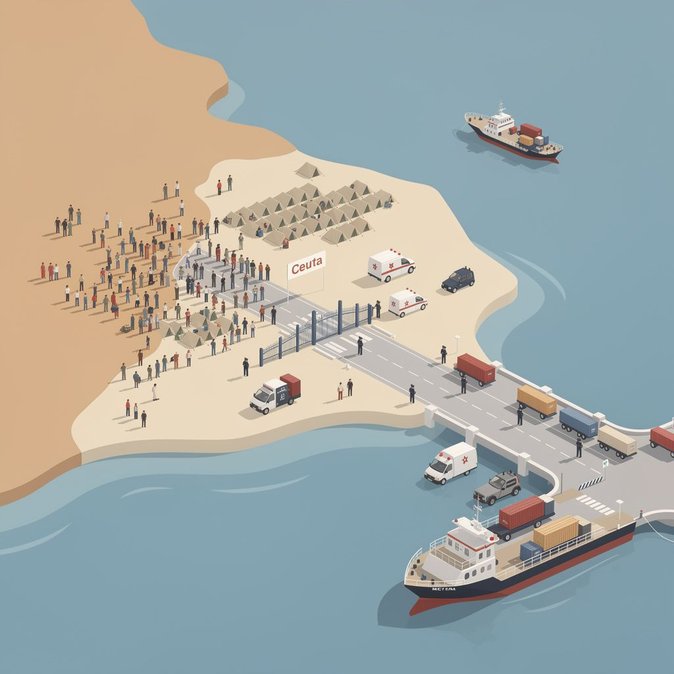
Ceuta faces unprecedented migrant surge as 50,000 people cross the border in 24 hours
Roughly 50,000 migrants entered Spain’s Ceuta enclave from Morocco in a single day, prompting a humanitarian emergency, dozens of deaths and major disruption to transport links. The Spanish government is reinforcing reception capacity, relocating vulnerable people and warning businesses of potential supply-chain delays. Companies with personnel or cargo transiting Ceuta should expect tighter security checks and possible rerouting.
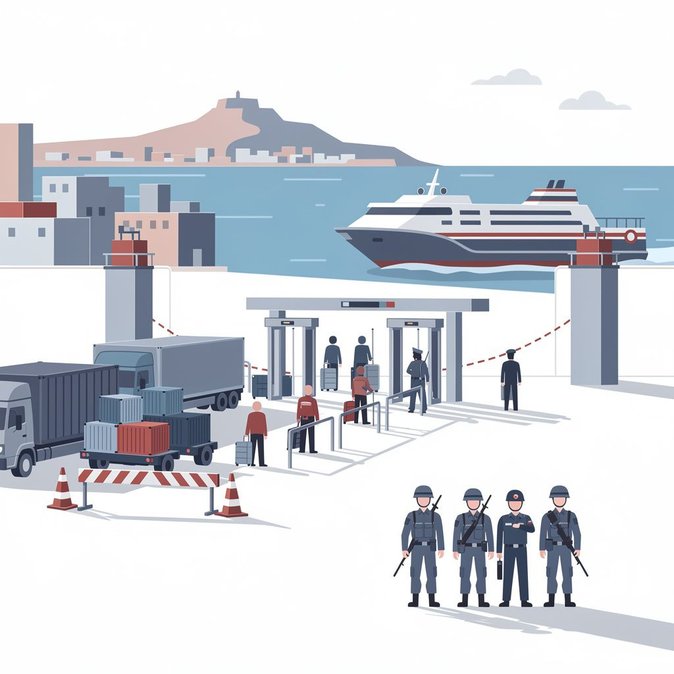
Spanish government deploys 3,000 troops to reinforce Ceuta border and critical infrastructure
Madrid has deployed up to 3,000 soldiers to Ceuta to back up overstretched police, protect key facilities and restore limited transport services. While the move improves security, it introduces airport-level screening for travellers and lengthy pre-clearance for cargo, affecting companies that rely on the Ceuta–Algeciras corridor.
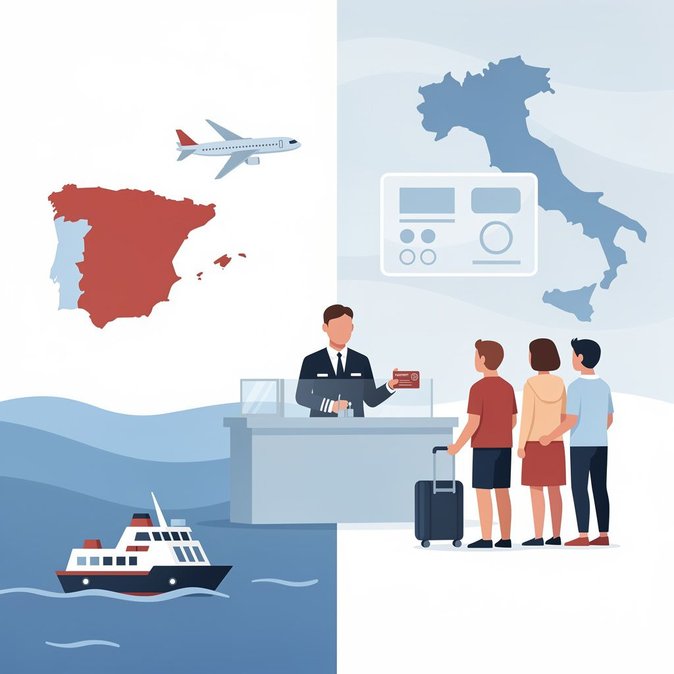
Italy reinstates border checks on flights and ferries from Spain, citing Ceuta crisis
Reacting to Spain’s Ceuta emergency, Italy will check passports and visas for non-EU passengers arriving from Spain by air or sea for at least 30 days. Airlines and ferry companies must transmit passenger data in advance, and travellers should prepare for longer processing times and stricter documentation requirements.
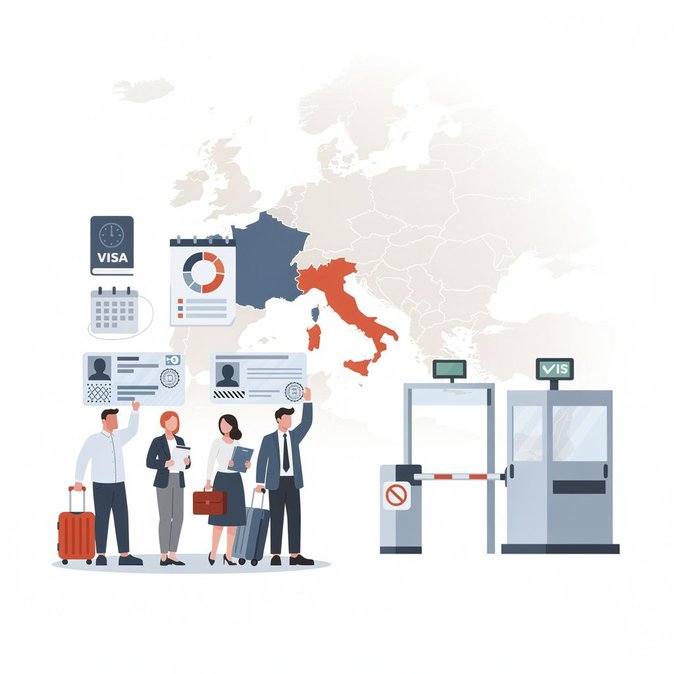
What the Schengen Borders Code allows – and does not allow – when migration spikes
Legal analysts emphasise that Schengen membership itself cannot be revoked, but member states – like Italy today – can temporarily restore border checks. Businesses should expect a patchwork of controls lasting from one to six months and ensure non-EU staff carry residence documents and valid multiple-entry visas.
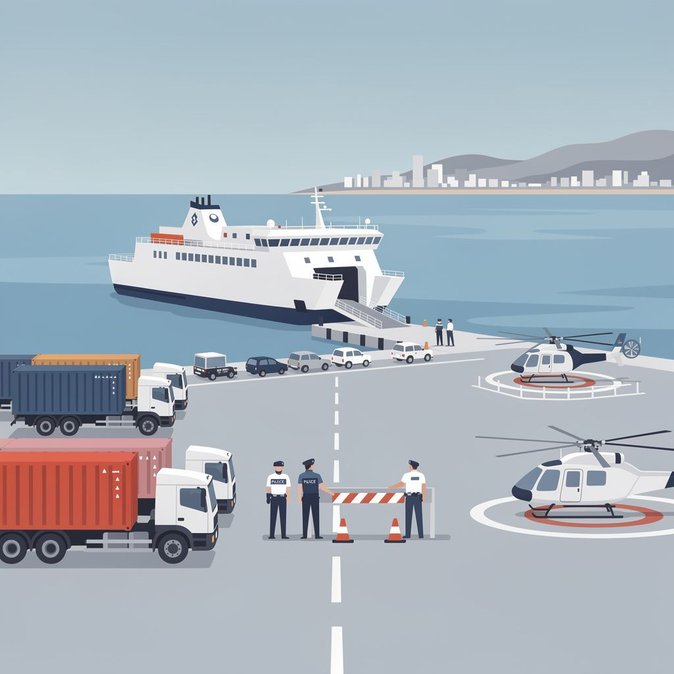
Logistics and corporate travel scramble as Ceuta crisis disrupts Strait of Gibraltar trade lanes
Enhanced police checks and troop movements in Ceuta have delayed ferries, grounded early-morning helicopter flights and stranded freight, forcing companies to reroute cargo and travellers. Supply-chain managers should hedge with alternative sea lanes and expect higher costs if the backlog coincides with the peak summer OPE traffic.