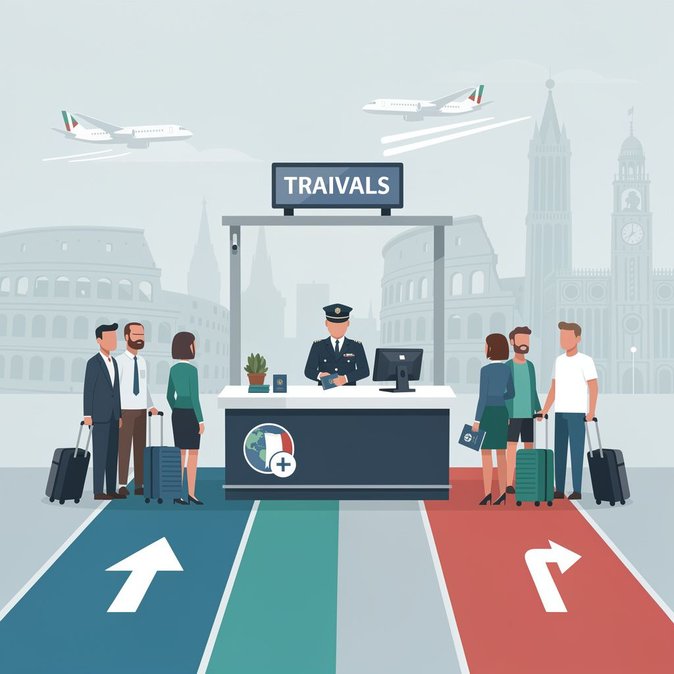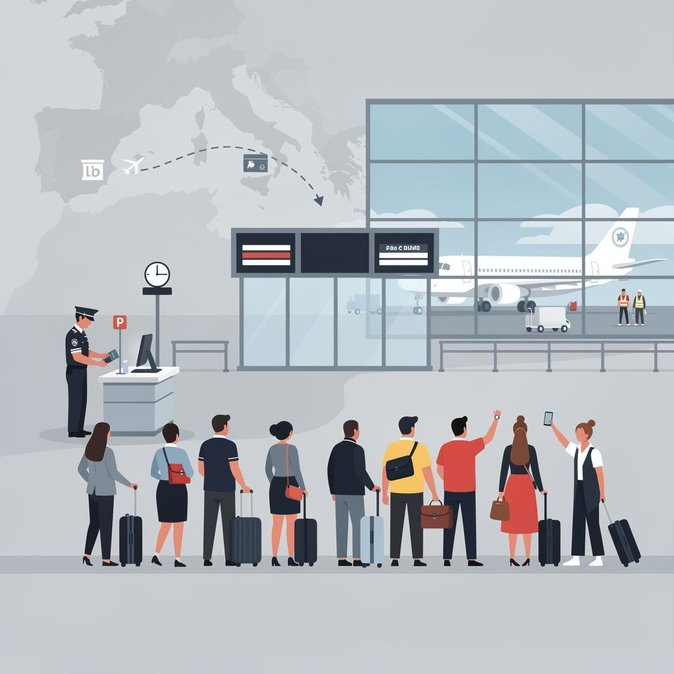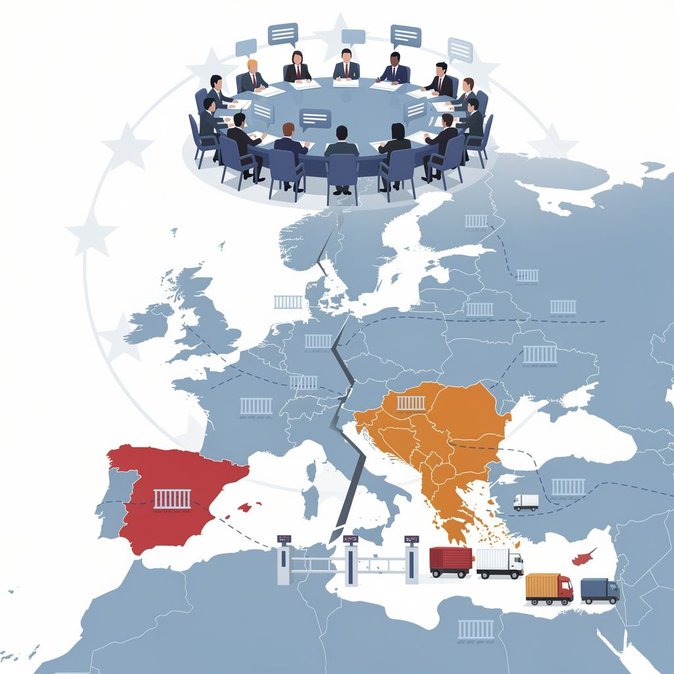
Italy has activated an emergency suspension of Schengen-area free movement for all air and sea passengers arriving from Spain between 1 August and 31 August 2026. The decision, signed late on Friday night by Interior Minister Matteo Piantedosi and published in the Official Gazette at dawn on 2 August, follows the unprecedented arrival of an estimated 50,000–60,000 people in Spain’s North-African enclave of Ceuta on 30–31 July. Italian officials say the measure is designed to give police “operational breathing-space” at peak holiday season and to prevent secondary movements of migrants toward Italy’s northern border crossings and major airports. Under the temporary regime, passengers flying or sailing from any Spanish airport or port—including the Balearic and Canary Islands—must now pass passport control on arrival in Italy. Carriers have been instructed to verify travel documents at check-in and to deny boarding to travellers who cannot demonstrate the right to enter the Schengen Area. Tour operators report that the additional checks add 15–45 minutes to arrival processing at Rome-Fiumicino and Milan-Malpensa, although Italian citizens and other EU nationals still face no additional visa requirements. Airlines have begun warning passengers to arrive earlier at departure gates and to allow extra connection time in Italy. The move is the second time in three years that Italy has re-imposed internal Schengen controls; during the 2025 Jubilee preparations, the country briefly reinstated land checks on its northern borders. This time, however, controls are limited to passengers originating in Spain. The government’s crisis cell cited “exceptional and sudden migratory pressure” on Spain and the risk of “irregular onward travel” across the Mediterranean. Critics—including Spain’s government—have labelled the action “disproportionate” and warned it could create airport bottlenecks across Europe at the height of the tourist season. For multinational companies, the immediate impact is operational rather than strategic. Business travellers with back-to-back meetings in Barcelona and Milan—or those connecting in Madrid on trans-Atlantic itineraries—should factor in longer queues on arrival and ensure they carry passports, not just national ID cards. HR mobility teams are advised to alert travelling staff and VIP clients, review duty-of-care check-lists and monitor flight schedules for knock-on delays. Carriers told the Italian Civil Aviation Authority (ENAC) they expect to absorb the additional processing within existing summer timetables but warned that any staff shortages could trigger rolling delays. Although the decree is valid for one month, Rome has signalled it may be lifted earlier if pressure eases at Ceuta or converted into randomised spot checks beyond August. EU interior ministers are expected to discuss a coordinated response to the Ceuta incident—including joint Spanish-Italian coastal patrols—at an extraordinary videoconference later this week. Companies moving personnel or goods between Italy and Spain should therefore track developments closely and anticipate possible adjustments to trucking and ferry schedules in the western Mediterranean.
Source: Associated Press