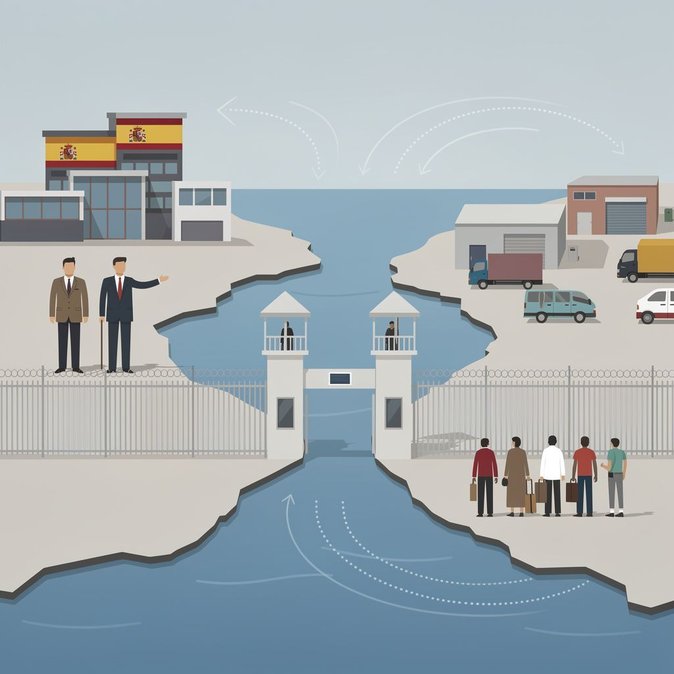
In a day-long live briefing on 14 September, Prime Minister Pedro Sánchez told Spanish media that his government is ‘mobilising every resource’ to restore normality in Ceuta after the unprecedented arrival of some 70 000 migrants at the end of July. Speaking on La Sexta’s El Intermedio, Sánchez promised a comprehensive plan spanning border security, humanitarian accommodation and economic aid, and set an ambitious year-end deadline for closing emergency camps. Interior Minister Fernando Grande-Marlaska, speaking separately in Asturias, revealed that 5 300 migrants have already returned voluntarily to Morocco and that courts have ordered 300 expulsions. He emphasised that expulsions will continue ‘with full judicial guarantees’. Meanwhile, the opposition Partido Popular accused the government of mismanaging the situation and demanded ministerial resignations, signalling that the crisis remains a political flashpoint as Spain edges toward general elections next spring. For mobility managers, the turmoil has immediate effects: ad-hoc police checks have slowed freight crossing the Tarajal border and lengthened processing times for “Pasaporte de Vecindad” fast-track permits used by cross-border workers. Several multinationals with logistics hubs in Algeciras report rerouting goods via Málaga to avoid delays. Longer-term, the episode could inspire stricter Schengen controls around Spain’s North-African enclaves, affecting short-term business trips to Moroccan suppliers. Companies should therefore audit travel-risk protocols and ensure expatriates are registered on emergency-notification systems. Although Sánchez insists Spain can ‘defend its borders while respecting human rights’, the continuing political brawl suggests that legal frameworks—and therefore corporate compliance obligations—may shift rapidly in coming months.
Source: El País