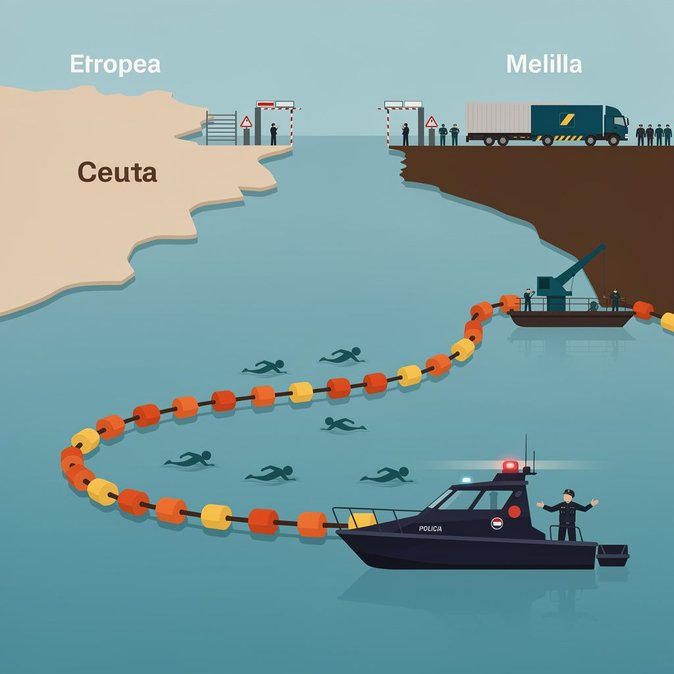
Facing the fiercest criticism of his premiership, Spanish Prime Minister Pedro Sánchez on Tuesday rebutted a letter signed by 22 EU heads of state and government that blamed Madrid for allegedly lax border controls in Ceuta. In his own missive to Commission President Ursula von der Leyen, Sánchez called the attacks “prejudice, fake news and political opportunism” and reminded partners that Spain had previously accepted migrants redirected from crises in Belarus (2021) and Lampedusa (2023). European leaders such as Italy’s Giorgia Meloni and Denmark’s Mette Frederiksen threatened to re-impose Schengen checks on travellers arriving from Spain—moves legal but politically explosive. Analysts told AP that the standoff underscores a broader right-ward drift in EU migration politics ahead of multiple national elections. For companies moving talent into Spain or scheduling regional meetings, a temporary suspension of passport-free travel would up-end itineraries and negate the very efficiencies Schengen provides. Although no country has yet activated Article 25 measures, risk managers should flag the possibility, especially for road-freight operators who would face new bottlenecks at Pyrenean crossings. Domestically, Sánchez’s minority government must also consider the diplomatic fallout with Morocco, accused by some experts of turning a blind eye to last week’s exodus. A chill in bilateral relations could complicate Spain’s seasonal-worker programmes and its ambitious plan to regularise long-term irregular migrants—both critical to sectors such as agriculture and care.
Source: AP News