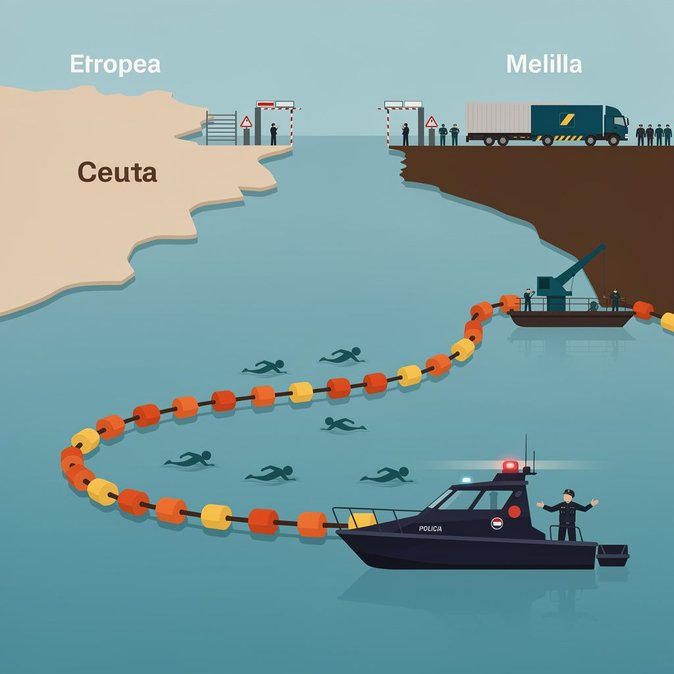
Spanish and Moroccan authorities are tracing the roots of the late-July mass crossing to a viral TikTok video that falsely claimed Spain was granting automatic residency to anyone reaching Ceuta by 31 July. According to investigative reporting by the Associated Press, the clip amassed millions of views within 48 hours, triggering informal WhatsApp chains that organised caravans from as far as Casablanca. By the time fact-checkers debunked the rumour, an estimated 72,000 people had attempted to storm, swim or kayak around Ceuta’s border fortifications. Digital-forensics analysts told reporters the campaign bore hallmarks of a coordinated disinformation operation, though attribution remains murky. The episode is a stark reminder for multinationals that social-media narratives can translate into real-world mobility shocks almost overnight. Employers with expatriates in the region faced sudden curfews, closed crossings and delayed freight consignments. Spain has since requested EU assistance to enhance online monitoring and to sanction platforms that allow migration-related hoaxes to spread unchecked. Corporate security teams should incorporate social-media sentiment analysis into crisis-response playbooks and verify border-policy changes through official channels rather than viral clips.
Source: AP News