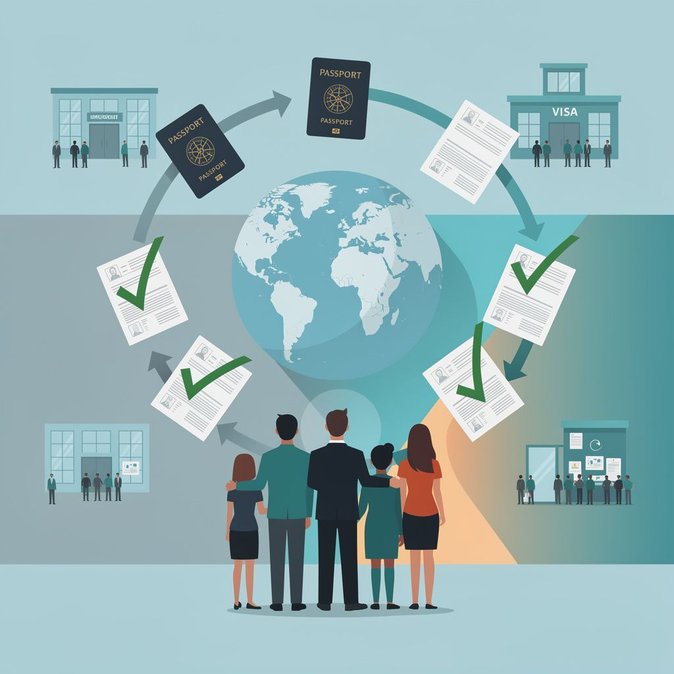
New York Attorney General Letitia James, leading a coalition of 21 other states and the District of Columbia, filed suit on Sept. 14 to stop DHS from implementing a sweeping new “public-charge” regulation that would allow immigration officers to deny green cards based on virtually any past use of public benefits—including school meals or Medicaid coverage for U.S.-citizen children. The lawsuit argues that the rule exceeds DHS’s statutory authority and is arbitrary and capricious because the agency ignored evidence that similar policies in 2020 caused mass disenrollment from critical health and nutrition programs. State budgets could lose more than $5 billion annually in Medicaid, CHIP and SNAP funding as immigrant families withdraw from benefits out of fear, the complaint alleges. For employers sponsoring professional workers for permanent residence, the case injects last-minute uncertainty. HR teams had been preparing revised Form I-485 filings to disclose a broader universe of benefit usage beginning Sept 18. If the court grants a temporary restraining order this week, those preparations could change overnight. Immigration counsel recommend gathering benefits affidavits now but holding final packet assembly until the litigation picture clears. Beyond compliance, the economic stakes are significant. Research by the New American Economy estimates that 45 percent of STEM master’s graduates at U.S. universities rely on employer-sponsored green cards. The new rule could chill retention of international talent if applicants fear denial over routine benefits used during graduate school. Companies with large foreign national pipelines should monitor the court docket and prepare alternate visa strategies, such as extending H-1B status or exploring Canada-based assignments, should processing slow.