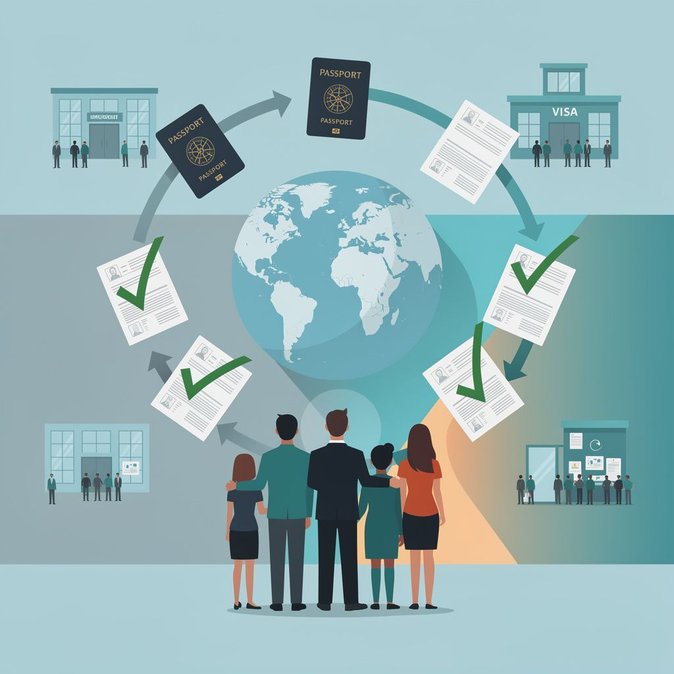
Immigration and Customs Enforcement (ICE) agents made nearly 51,000 arrests in August—an unprecedented third consecutive monthly record—yet average daily deportations remained flat at roughly 1,200, according to internal data obtained by Reuters. The surge, aided by expanded data-sharing with local police and new biometric tracking tools, reflects intensified pressure from the Trump administration to achieve a campaign pledge of “the largest mass-deportation program in history.” Analysts say the widening gap between arrests and removals underscores the practical limits of immigration enforcement. Many detainees lack final deportation orders or have pending asylum and family-based petitions, which entitle them to due-process hearings that can take months or years. Others cannot be repatriated quickly because receiving countries cap the number of weekly charter flights they will accept. ICE’s own fleet shortage compounds the issue; six recently purchased Boeing 737s are still undergoing FAA checks. From a global-mobility perspective, the trend creates uncertainty for multinational employers whose foreign national employees or family members may be swept into enforcement actions despite having immigration applications in process. Attorneys report an uptick in “collateral arrests” at routine biometrics appointments and airport checkpoints, prompting companies to reassess travel policies and provide Know-Your-Rights training for foreign staff. Business groups warn that aggressive enforcement without corresponding adjudication capacity could deter talent from relocating to the United States. Meanwhile, humanitarian concerns are rising. Advocacy groups cite cases of long-time residents detained while their U.S.-citizen children await green-card sponsorship decisions. The disconnect between arrests and removals also increases detention-center populations, raising costs for taxpayers and heightening risks of COVID-19 resurgence in crowded facilities. Employers, universities and relocation managers should monitor the enforcement climate, ensure employees carry valid documentation and have access to legal counsel, and consider contingency plans for essential travel.
Source: Reuters