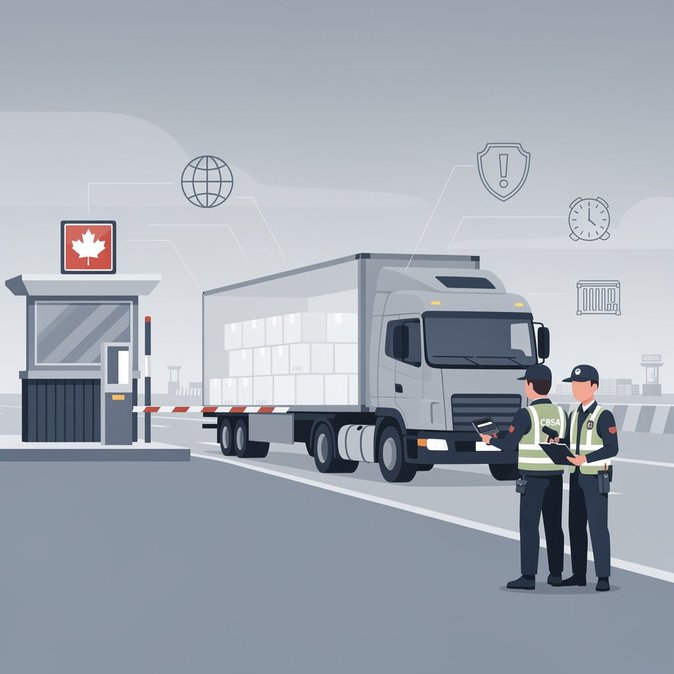
On 15 September 2026, CBSA disclosed that officers at the Coutts, Alberta port of entry intercepted two U.S.-bound commercial trucks in late July, uncovering a combined 215.5 kilograms of cocaine. The truck drivers were arrested and the Royal Canadian Mounted Police have taken over the ongoing criminal investigation. Although the seizure dates back to July, its publication now serves as a stark warning to logistics providers and corporate fleet operators about the immigration consequences of smuggling. Foreign national drivers convicted of narcotics offences face inadmissibility findings and expedited removal, as well as multi-year bans on re-entering Canada. The case also illustrates the operational delays that large seizures can cause. Commercial lanes at Coutts experienced slow-downs during secondary inspections, affecting just-in-time supply chains for prairie manufacturers. Mobility managers coordinating cross-border assignments or short-term trucker entries should factor possible inspection-related delays into travel schedules. The federal government continues to invest heavily in detection technology and intelligence-led border enforcement under its CA$1.3 billion Border Plan. Companies should review cargo-security protocols, provide training on CBSA inspection procedures and ensure that drivers carry complete documentation to minimise the risk of prolonged examinations. CBSA reminds industry stakeholders to report suspicious cross-border activity via its 24-hour Border Watch Line, reinforcing the shared responsibility model for supply-chain security.
Source: Cantech Letter (CNW release)