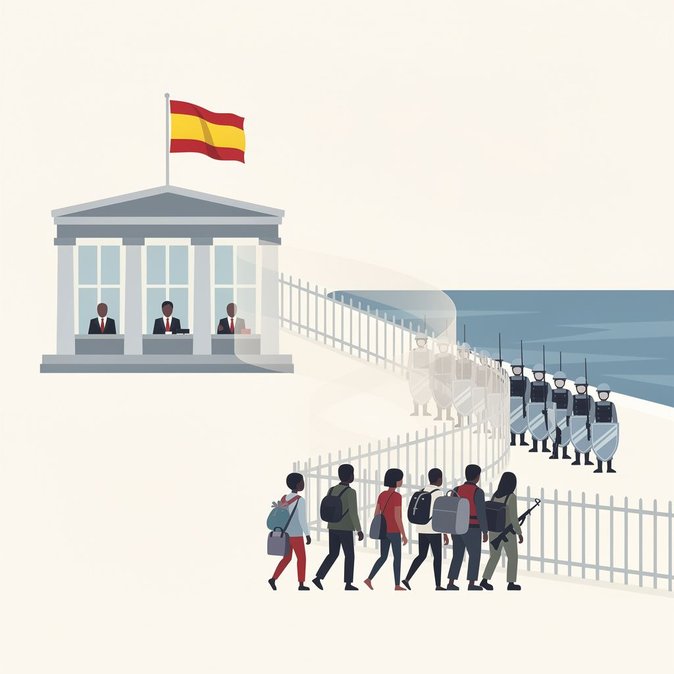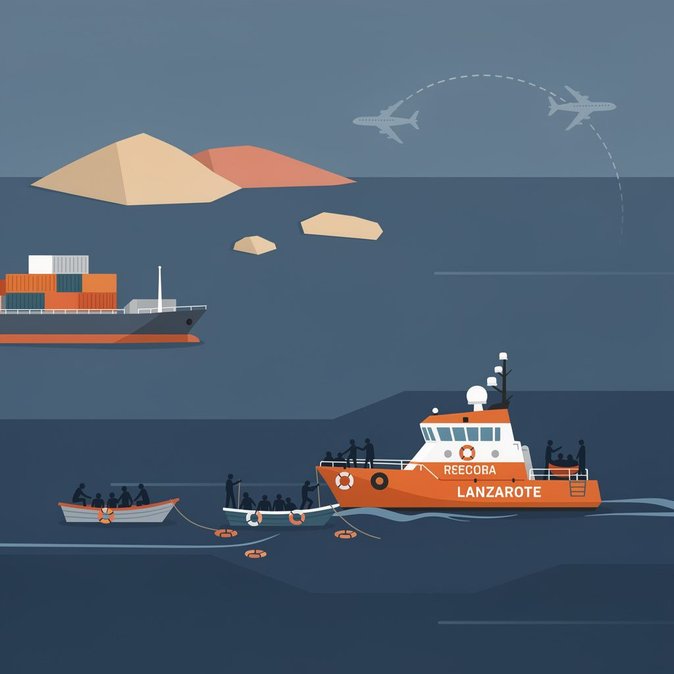
Spanish search-and-rescue crews pulled nearly 160 people to safety on 14 September after locating a crowded inflatable and a wooden fishing boat 110 km north-east of Lanzarote. One of the vessels had reportedly left Agadir, Morocco, two days earlier with 107 occupants and issued a distress call by satellite phone when its motor failed. The rescue mobilised two Salvamento Marítimo craft—Al Nair and Ácrux—and diverted a nearby merchant ship to provide cover until the arrivals could be transferred to Arrecife port for medical assessment. The Canary Islands route remains Europe’s deadliest Atlantic migration corridor, yet departures have spiked again in 2026 as smugglers exploit calmer late-summer seas. International Organisation for Migration figures put confirmed deaths on the route at 468 so far this year, although NGOs say the real number is higher because many boats vanish without a trace. For companies operating in the Canaries’ growing logistics and renewables sectors, large-scale rescues can disrupt ferry schedules, port access and coastal-road traffic when emergency services set up triage zones. The Port Authority of Las Palmas issued a Notice to Mariners warning of berth re-allocations that could delay container turn-around times by up to six hours. Madrid has deployed an additional 50 Policía Nacional officers and fast-tracked asylum case-workers to Arrecife, but local NGOs argue that reception tents remain overcrowded. Spain’s Ministry of Inclusion is negotiating charter flights to redirect rescued migrants to mainland reception centres under the contingency protocol activated after the 2021 surge. Mobility managers with staff transiting Lanzarote should reconfirm flight and ferry times and advise travellers to build flexibility into itineraries. Firms hiring North-African workers under Spain’s circular-migration quotas should track evolving public sentiment, as the Canary situation is feeding national debate on broader immigration reform.
Source: eldiario.es – Canarias Ahora