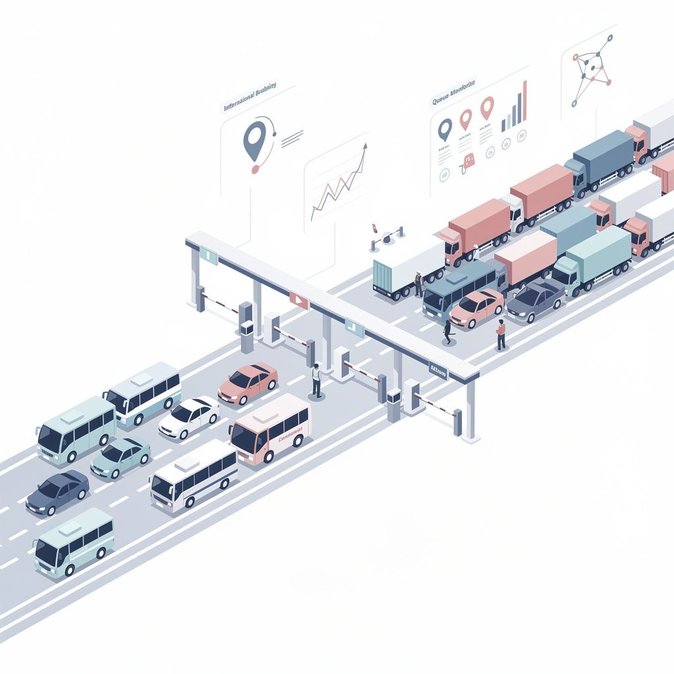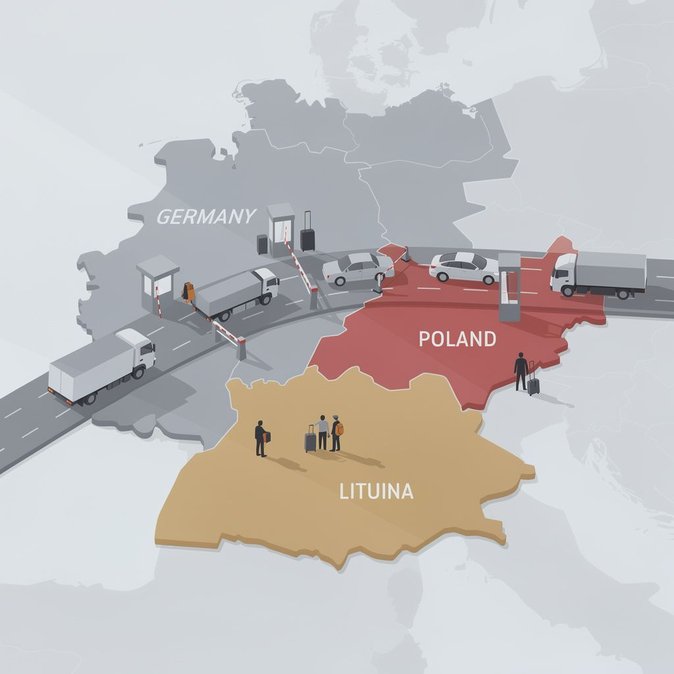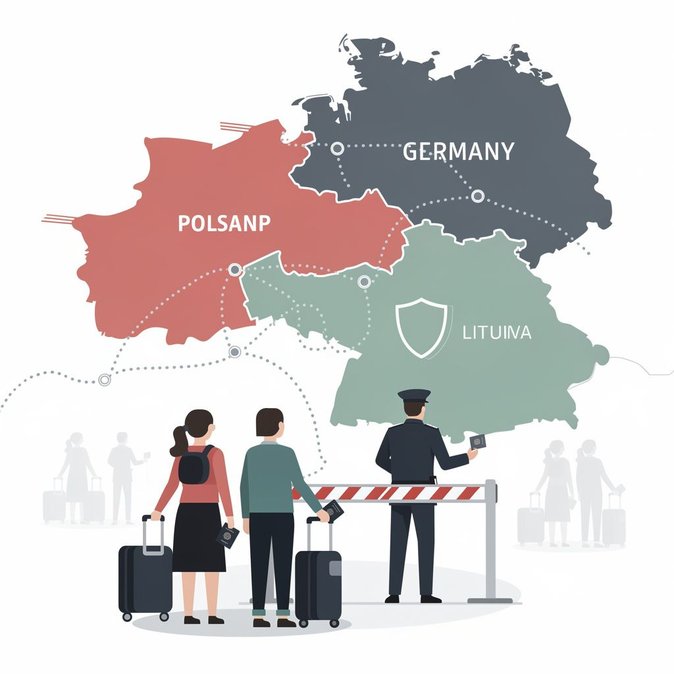
An update posted on the European Commission’s Schengen webpages late on 17 September confirms what many cross-border commuters had already suspected: Warsaw has notified Brussels that temporary controls at the German and Lithuanian land borders will continue from 2 October 2026 through 30 March 2027. The justification cites “persistent migratory pressure” and “continued threats to public order,” matching the language used in earlier six-month extensions. Operationally, the measure means travellers should continue to expect formal passport inspections on west-bound trains between Poznań and Berlin, random checks at motorway crossings such as Świecko-Frankfurt/Oder, and controlled entry lanes at the Budzisko and Ogrodniki crossings with Lithuania. The controls apply to people, not goods, so freight traffic remains covered by the EU’s ‘green lane’ fast-track—yet logistics companies report journey-time increases of 30–45 minutes on average. For corporate mobility managers, the most immediate impact is on posted-worker assignments in the automotive and construction corridors spanning western Poland and eastern Germany. Human-resources teams should budget extra time for residence-card verifications and be prepared for ad-hoc questions about A1 certificates and social-security coverage at the border. Commuters driving leased company cars should carry original vehicle registration documents, as temporary copies have been rejected in recent spot checks. The prolonged controls also complicate holiday-season travel planning. Airlines that rely on Lithuania’s Kaunas and Vilnius airports as low-cost gateways for Polish passengers may see demand sag if leisure travellers prefer to avoid an extra border stop. On the upside, Poland’s Tourism Chamber predicts increased domestic-break bookings, particularly along the Baltic coast. Under the Schengen Code, Poland can keep the controls in place for up to two years in total before needing a special Council recommendation. The Commission’s publication therefore signals Brussels’ tacit acceptance that extraordinary measures on the eastern flank are likely to remain the ‘new normal’ well into 2027.