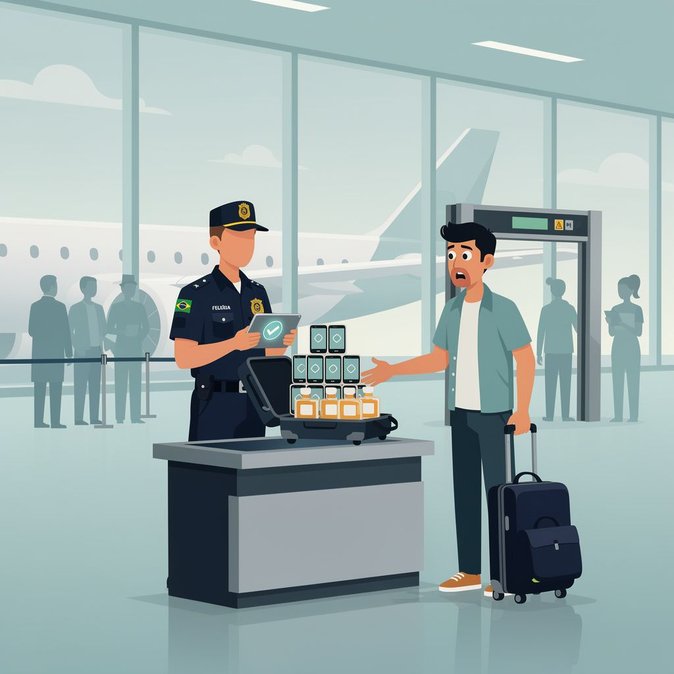
Brazil’s Federal Police (PF) led a surprise, one-day “Operação Nexo” around the landmark Friendship and Tancredo Neves bridges that link Foz do Iguaçu (Brazil), Puerto Iguazú (Argentina) and Ciudad del Este (Paraguay) on 18 September. More than 180 agents, sniffer dogs, mobile X-ray trucks and drones were deployed to stop passenger cars, tourist buses and cargo trucks that pour across the world’s busiest land crossing for contraband. Officers checked travel documents against combined databases and searched vehicles for drugs, weapons and undeclared cash. The blitz is the first large-scale field action approved by the new Tripartite Command created in July to tighten real-time intelligence sharing among the three countries. Investigators said the focus was on dismantling “multi-modal” smuggling rings that use legitimate logistics corridors to move counterfeit electronics into Brazil and cocaine and marijuana out of Paraguay. The Triple Frontier has long been a pain-point for multinational companies that ship high-value goods through the region or post staff to nearby Itaipú hydro-plant and Iguazú Falls resorts. Cargo theft, bribery demands and sudden roadblocks routinely delay deliveries and raise insurance premiums. Officials said that during Friday’s sweep 47 trucks were escorted to secure yards for secondary inspection and three outstanding arrest warrants were served. For global mobility managers the message is twofold: compliance checks at the Paraná border will become more frequent and better coordinated; and the PF is requesting that transporters upload crew and vehicle manifests 24 hours before arrival. Companies that rely on “just-in-time” deliveries from neighbouring countries should revisit contingency inventories and travel-risk protocols.
Source: Polícia Federal (Brazil)