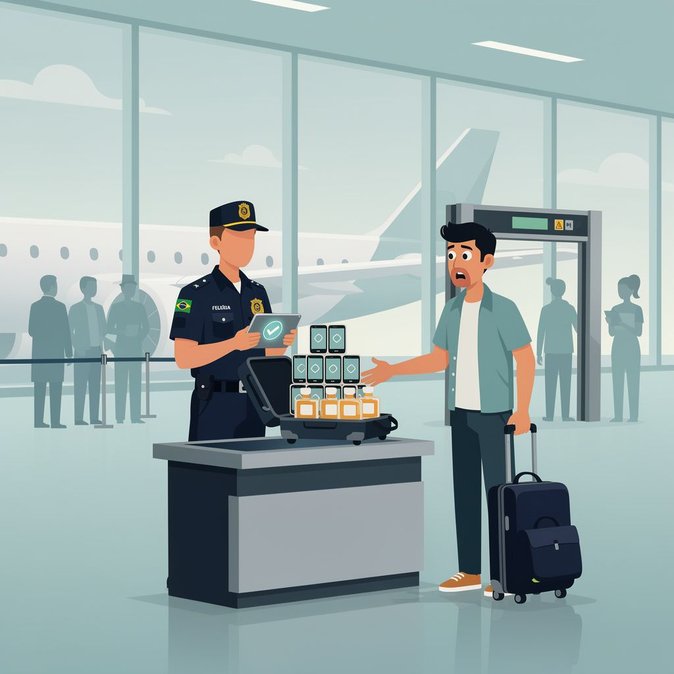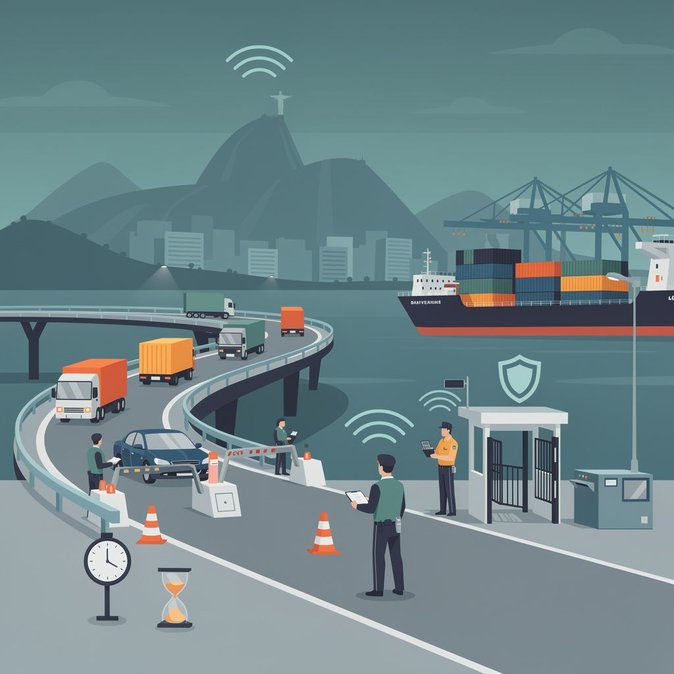
President Luiz Inácio Lula da Silva travelled to Rio de Janeiro on 18 September to unveil a federal security pilot that promises round-the-clock joint patrols on the city’s main highways, ports and airport access roads. The initiative, which folds military police, customs inspectors and transport regulators into a single command, is meant to choke off the arms and drug pipelines that feed Rio’s powerful gangs. Under the plan, Brazilian IRS (Receita Federal) agents will be embedded with highway police at key toll plazas to weigh trucks, scan containers and verify cargo manifests against advance electronic declarations. The Ministry of Justice says it will deploy new mobile body-scanner units at Galeão airport’s cargo terminal and resurrect abandoned weigh-stations along the Dutra and Washington Luís highways—classic choke points for freight moving between São Paulo’s industrial belt and Rio’s ports. For multinationals the biggest immediate impact will be slower door-to-door transit times and a higher likelihood that company vehicles or shuttle buses will be pulled over for inspection. Travel managers should alert assignees to carry passports or RNE cards even on domestic legs and to factor additional time into commutes to petrochemical sites in Duque de Caxias and Itaboraí. The government argues that a more visible federal presence will ultimately improve investor confidence ahead of the October election, but logistics providers warn that without an electronic pre-clearance lane, legitimate cargo may be caught in the net. Dialogue is under way to let certified “Empresa Segura” shippers book fast-track slots once the pilot stabilises.
Source: Associated Press