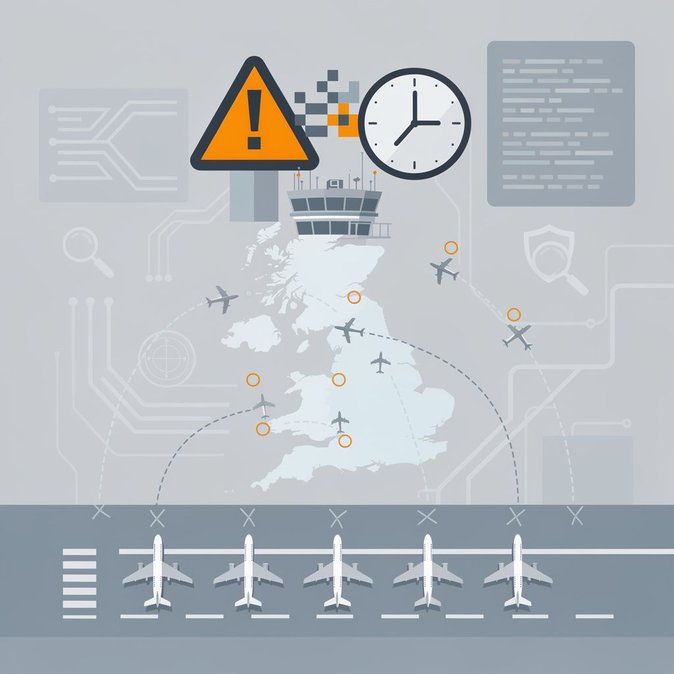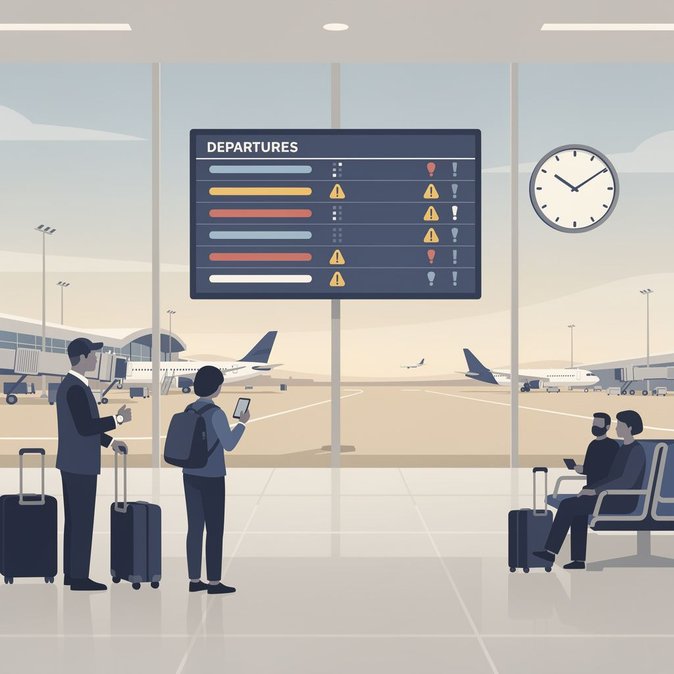
Heathrow Airport reported early-morning delays of up to 29 minutes on Saturday, 19 September, with six of the first twenty departures running late. Airport officials blamed residual aircraft and crew displacement following yesterday’s air-traffic-control findings—airlines continue to reposition jets and staff after last week’s network-wide disruption. Although the majority of flights remained on schedule, routes most affected were short-haul European links popular with week-end business-travellers catching Monday-morning meetings. Carriers advised passengers to arrive at least three hours in advance and to check mobile push alerts before setting out. Heathrow reiterated that security-lane staffing was normal; the delays were ATC-flow rather than checkpoint related. For corporate mobility programmes, even half-hour hold-ups can trigger knock-on costs—chauffeur waiting-time surcharges, missed rail connections to regional hubs or out-of-policy taxi claims. Employers with assignees arriving to activate visas should remind travellers that the Home Office counts ‘entry’ at the passport-control stamp, not the scheduled flight time; delayed landings will not jeopardise entry clearances provided the date remains the same. With aviation analysts warning that aircraft and crew rosters will remain ‘out of position’ into next week, mobility managers may wish to book later connection windows through Heathrow or consider alternate UK gateways such as Birmingham for domestic transfers until schedules stabilise. Tip: Encourage employees to use airline apps’ “easy changes” function—several carriers temporarily waive change fees for same-day travel on the same routing when ATC delays exceed 15 minutes.
Source: Heathrow Airport Guide