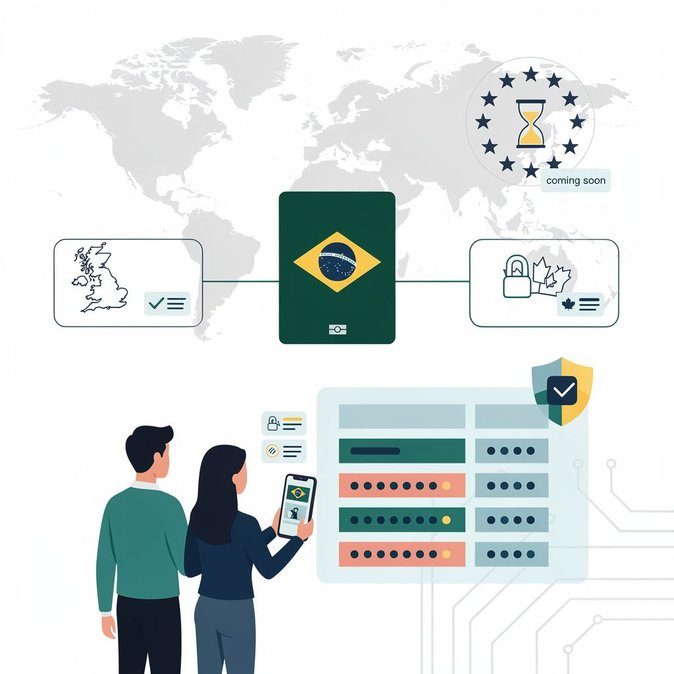
Specialist telecom portal Guia do eSIM refreshed its comprehensive table of electronic travel authorisations on 21 September, giving Brazilian globetrotters an at-a-glance guide to where e-Visa, ETA or traditional visas are still required. Key takeaways: the United Kingdom’s new ETA scheme is officially live for Brazilians at £16 via mobile app; Canada’s eTA remains mandatory for air arrivals; Australia’s subclass-600 e-visa processing time averages three weeks; and the European Union’s ETIAS pre-clearance is confirmed as delayed until at least late-2027. Traditional visas continue for the United States, China and most Gulf states. The article stresses cyber-security, warning travellers to avoid unofficial “agency” websites that charge triple the government fee and occasionally issue invalid paperwork. It also recommends activating mobile data before landing so QR-code health or immigration forms can be submitted without relying on congested airport Wi-Fi—an operational tip valuable to mobility teams managing group moves. For corporate travel managers, the constantly shifting mosaic of electronic permits complicates compliance audits. Centralised tracking of employee destinations and automated reminders tied to passport validity (many e-visas require six months’ residual cover) are emerging as best practice. Because several countries—including India and Vietnam—adjust pricing seasonally, companies budgeting 2027 project travel should monitor costs quarterly and consider bulk-buying e-visas where allowed.
Source: Guia do eSIM