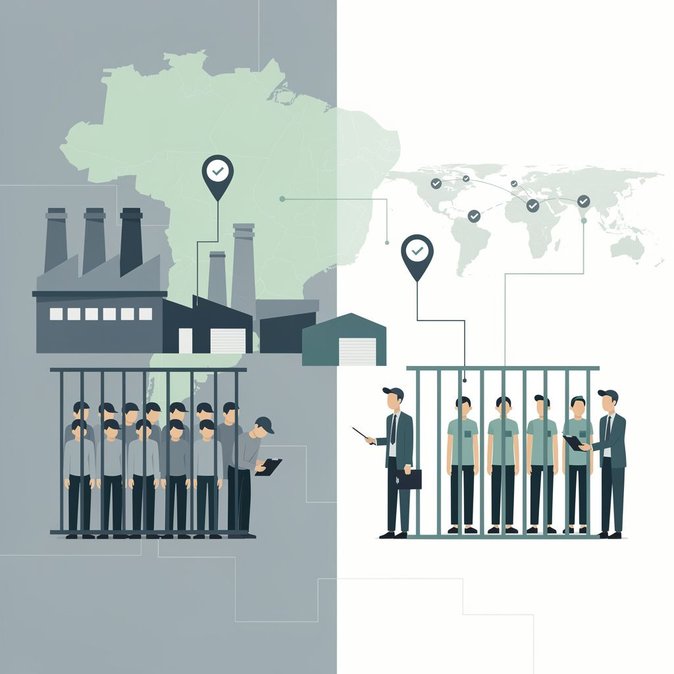
In a dawn operation on 15 September 2026, the Brazilian Federal Police (PF) executed 21 search warrants across São Paulo, Rio Grande do Sul, Bahia, Pernambuco and the Federal District, targeting an organised crime ring accused of luring South-Asian nationals to Brazil with fraudulent freelancer visas. Victims were promised remote-work contracts but had their passports confiscated and were forced to code and moderate content for overseas platforms up to 18 hours a day. The investigation, codenamed ‘Operação Firewall’, began after labour-rights NGOs reported unusual clusters of Indian and Bangladeshi nationals living in overcrowded apartments near tech hubs. According to PF cyber-crime chief Marcelo Barros, recruiters exploited gaps in Brazil’s new electronic VITEM system, filing bulk visa requests that consular staff rubber-stamped without in-person verification. For global employers the case is a wake-up call: authorities indicated they will audit any Brazilian company that sponsored the fraudulent visas, even if unwittingly. Tech firms using third-party staffing agencies should therefore run immediate compliance checks to ensure subcontractors are not channeling illegal labour. Mobility specialists also note that the scandal could prompt the Conselho Nacional de Imigração to tighten document-verification rules only two weeks after electronic visa issuance went live. The PF rescued 67 workers and froze R$18 million in assets. Charges include human trafficking, reduction to slave-like conditions and money laundering, carrying sentences of up to 30 years. Consular officials from India and Bangladesh have been notified to facilitate repatriation or regularisation options for the victims.
Source: Correio Braziliense