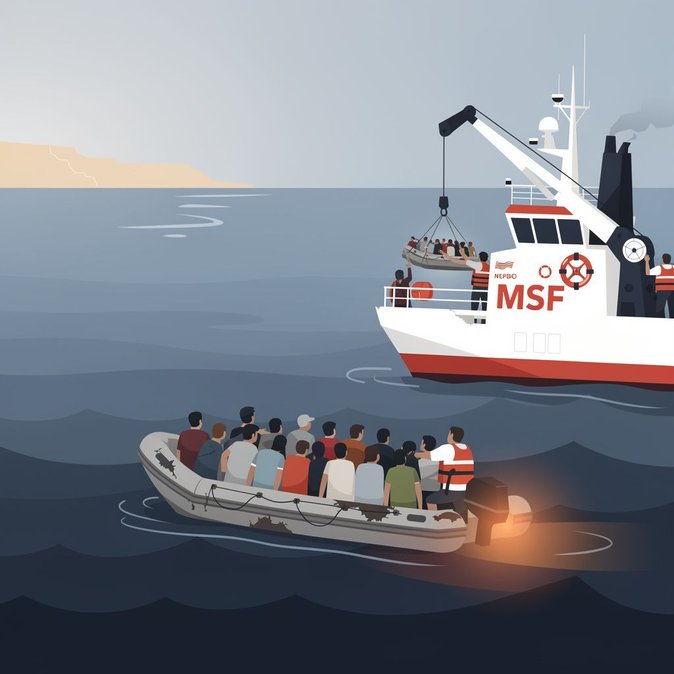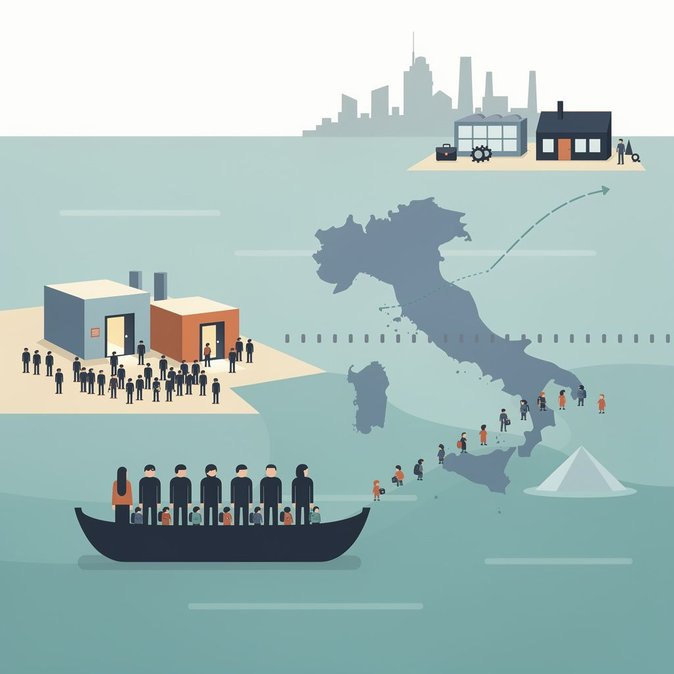
Fresh data released on 21 September by Italy’s Interior Ministry and analysed by Catholic news agency AgenSIR show that 21,827 people have reached Italian shores since 1 January. Strikingly, over one-fifth (about 4,400) are unaccompanied minors, underscoring persistent child-protection challenges at reception facilities. Bangladeshi nationals top the list of arrivals (25 %), followed by migrants from Algeria, Somalia and Sudan. While the overall number is down roughly 35 % from the record-setting inflows of 2025, aid agencies note that the demographic composition is shifting toward more vulnerable profiles—families, teenagers and medical evacuees—requiring specialised accommodation and psychosocial support. The report also details 6,238 returns executed up to 17 September—5,344 forced and 894 voluntary—revealing Rome’s dual-track strategy of humanitarian corridors for the most fragile groups and accelerated removals for those failing to obtain protection. The Interior Ministry credits reinforced screening at hotspot facilities and bilateral readmission accords with Egypt, Tunisia and Bangladesh for the higher repatriation rate. For businesses that depend on seasonal labour, the lower arrival numbers mean continued pressure on recruitment pipelines. Employers in agriculture and hospitality are already lobbying the government to release the remaining 2026 quotas under the three-year Flussi decree and to speed up work-permit processing at Italian consulates abroad. Global-mobility practitioners should monitor the quota calendar closely: delays could force companies to consider intra-corporate transfers or short-term posted-worker permits as stop-gap solutions.
Source: AgenSIR