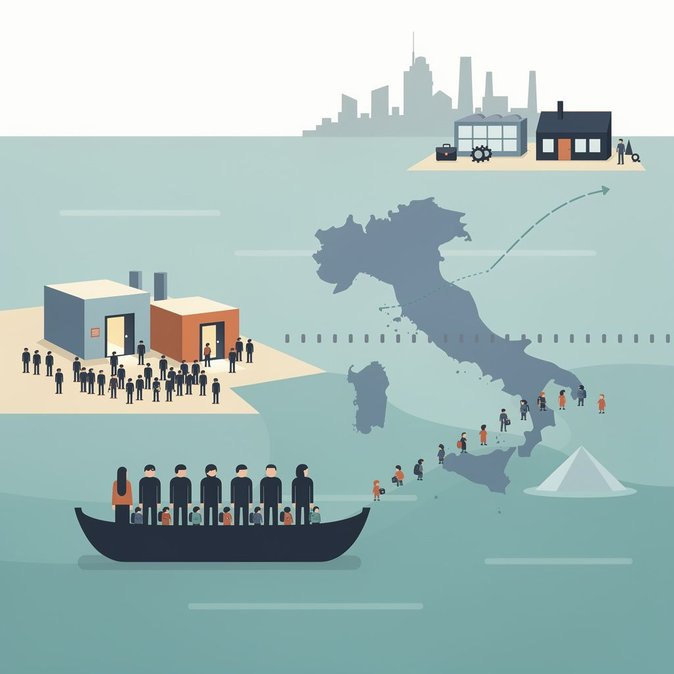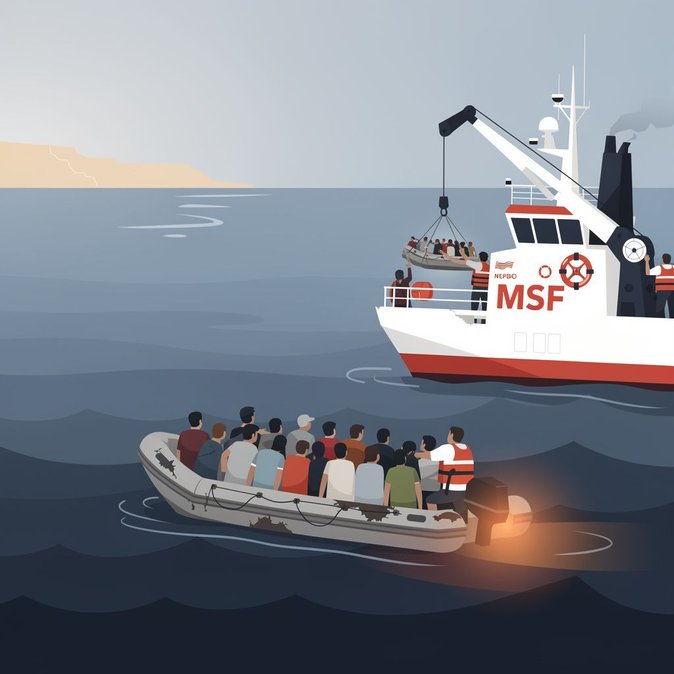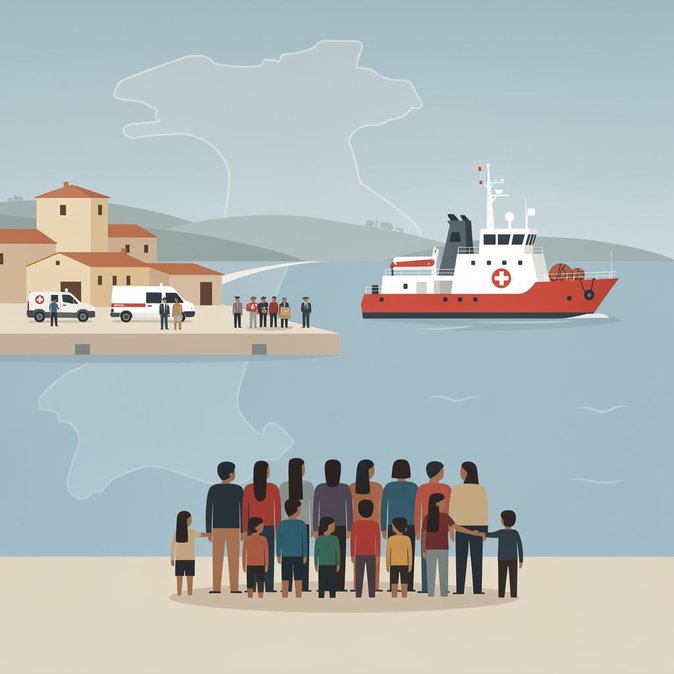
The rescue vessel Ocean Viking, operated by SOS Méditerranée, docked at Marina di Carrara in the early hours of 21 September with 23 migrants taken from an unseaworthy boat in the Central Mediterranean. According to port authorities, the group includes six minors and a pregnant woman. They were immediately taken to a triage area set up inside the nearby CarraraFiere exhibition centre for health screening, identification and initial asylum interviews. This is the fourth NGO landing at the Tuscan port since January and the 24th since the government began reallocating rescue ships away from Lampedusa in 2023. Local officials again criticised the choice of a small commercial harbour hundreds of kilometres from the rescue area, saying it strains municipal resources already stretched by post-summer tourism demands. The Interior Ministry insists the rotation of safe ports is intended to spread reception efforts more evenly across the country and to avoid chronic overcrowding on the southern islands. Upon disembarkation, adults were transferred to regional reception centres in Tuscany while unaccompanied minors were taken to specialised facilities in Abruzzo. Medical teams reported no serious health issues, though several passengers were treated for dehydration and fuel-burns. The mother-to-be will be monitored at the Massa-Carrara hospital’s obstetrics unit. Human-rights groups welcomed the swift allocation of a port but reiterated calls for an EU search-and-rescue mission, noting that private vessels like Ocean Viking have rescued more than 1,300 people so far this year. Ship manager SOS Méditerranée said it lost over 18 hours waiting for permission while weather conditions deteriorated, underscoring what it calls “Italy’s policy of administrative delay”. For global-mobility managers, continued use of mid-sized northern ports means transfers of staff, interpreters and logistics suppliers across Italy at short notice. Companies providing medical, catering and transportation services should review contingency contracts and factor in rising fuel and accommodation costs in secondary hubs such as Carrara, Livorno and Ravenna.
Source: ANSA / Corriere Fiorentino