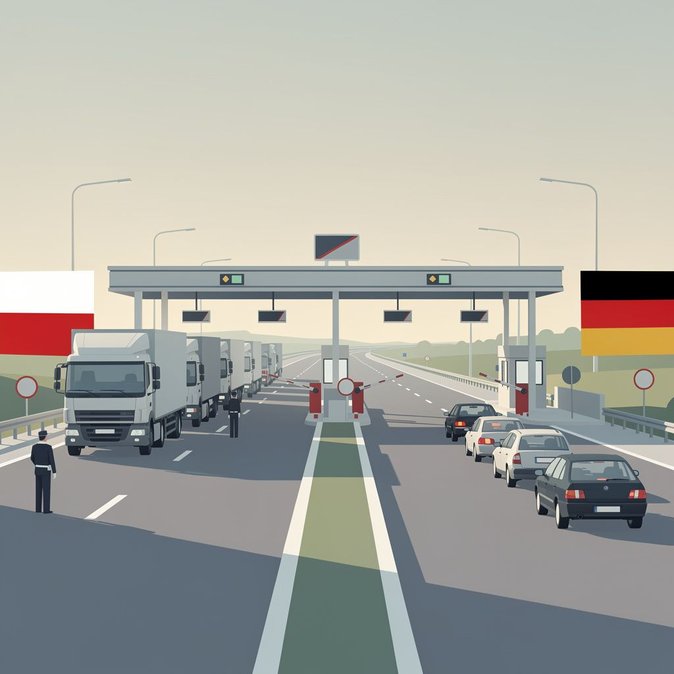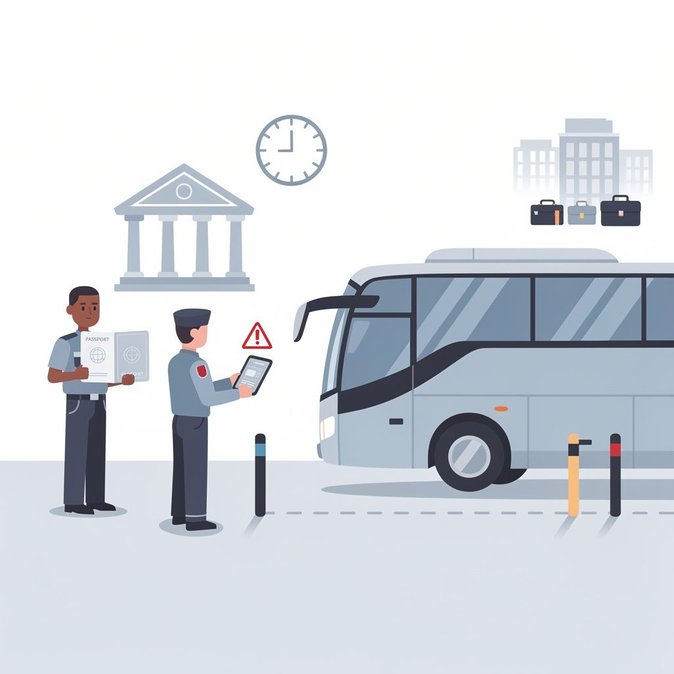
Border police at the Kehl-Europabrücke crossing between France and Germany stopped a cross-border coach on 21 September and discovered a Ghanaian passenger travelling on a falsified Cameroonian passport. Thanks to the fast-track procedures that Baden-Württemberg courts now apply to clear-cut migration offences, the 29-year-old was brought before a magistrate within hours and given an 80-day fine for attempted illegal entry, document forgery and possession of counterfeit identity papers. Kehl is one of five “focus crossings” where Germany maintains stationary checks despite the Franco-German border normally being open. Officials say the measure responds to an uptick in forged and look-alike passports linked to organised smuggling networks that exploit coach routes serving Strasbourg, Basel and Stuttgart airports. For companies running corporate shuttles or relying on cross-border commuters, the case highlights the importance of internal document audits. Human-resources teams are advised to double-check that non-EU staff hold valid residence cards rather than depend on a visa in an old passport. The swift conviction also demonstrates Germany’s willingness to use accelerated court procedures—a practice that can result in a criminal record within 24 hours. Foreign nationals with any record of document irregularities risk being flagged in the EU’s new Entry/Exit System (EES), which has been fully operational since April 2026 and automatically alerts border guards when a suspect document is scanned.