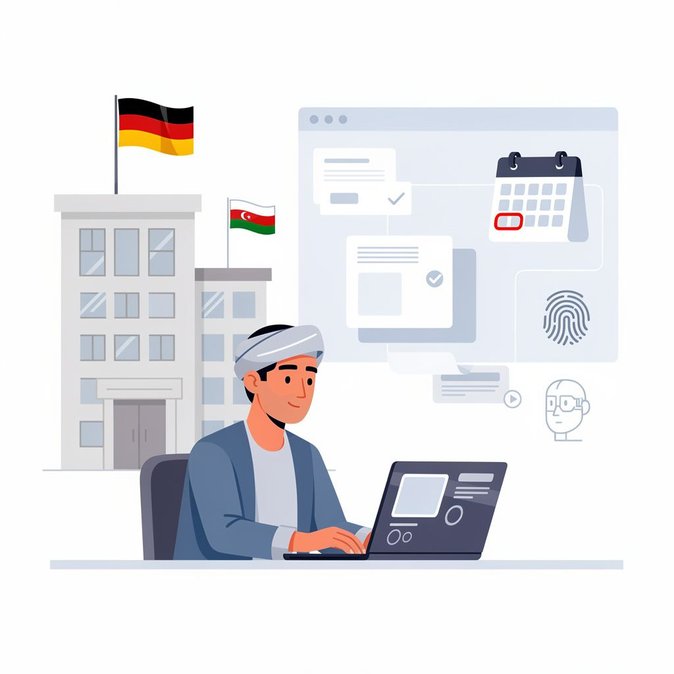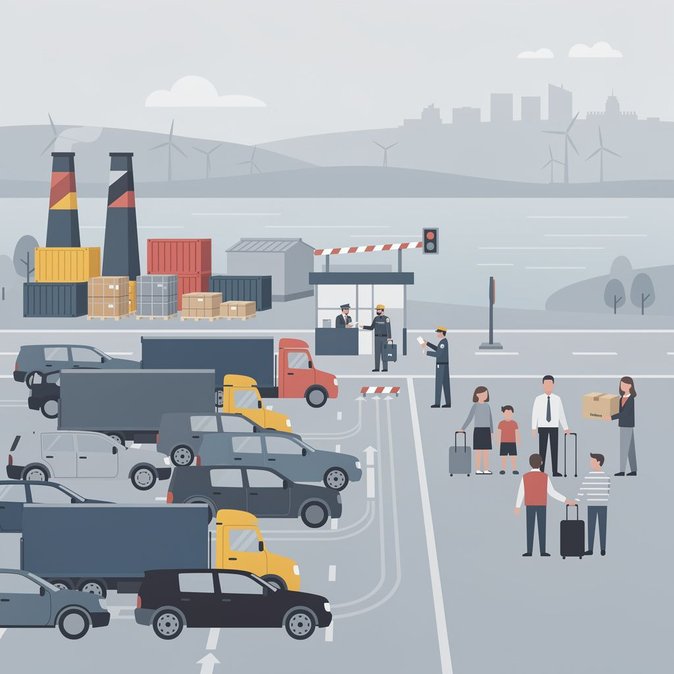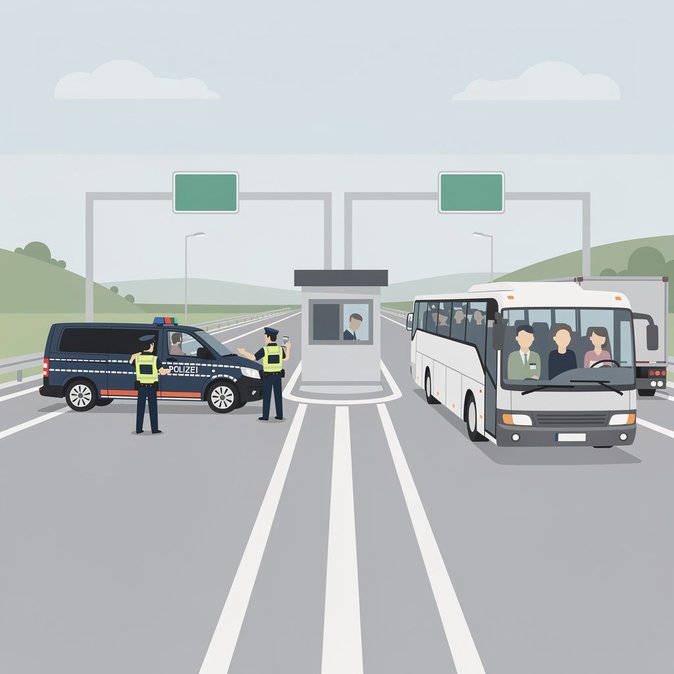
Travellers using long-distance coaches and private cars on Germany’s frontiers experienced intensified document inspections overnight, after the Bundespolizei stepped up temporary Schengen checks authorised until at least 1 October. At the Luxembourg border near Perl, officers boarded a Flixbus from Brussels just after midnight on 21 September and arrested a 39-year-old French passenger wanted on theft charges. Hours later, a separate patrol in Zittau stopped a coach bound for Poland, detaining a Czech national with an outstanding drug conviction and initiating removal proceedings against two travellers lacking valid visas. Although such arrests are routine, the clustered incidents underscore how Germany is using the full six-month window allowed under Article 25 of the Schengen Borders Code to combat irregular migration and cross-border crime. Controls currently cover the Polish, Czech and Luxembourg frontiers as well as spot checks on the Swiss and French borders. For business travellers and logistics operators, the practical impact is longer transit times—up to 45 minutes on key motorway crossings—and a renewed requirement to carry passports rather than ID copies. Coach companies have begun advising passengers to arrive 30 minutes earlier, while some freight forwarders report delays in time-critical shipments moving from Benelux distribution hubs to German manufacturing plants. Legal analysts note that the European Commission has asked Berlin to justify each extension with a fresh risk assessment, raising the possibility that technological alternatives such as automatic number-plate recognition or the forthcoming EU Entry/Exit System could replace blanket controls in 2027. Until then, mobility managers should update travel policies: ensure staff have hard-copy residence permits, allow buffer time for in-country meetings and check that third-country nationals transiting by bus or van hold the correct multi-entry visas.
Source: Bundespolizei / Presseportal