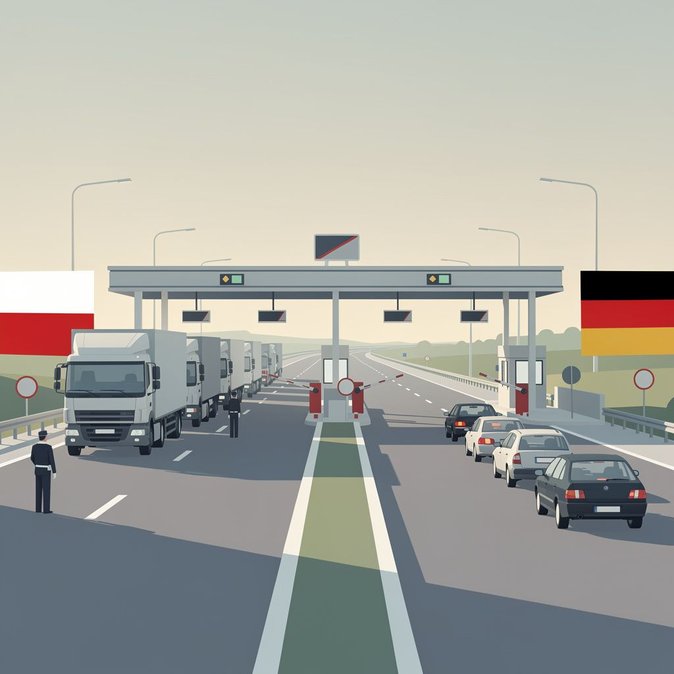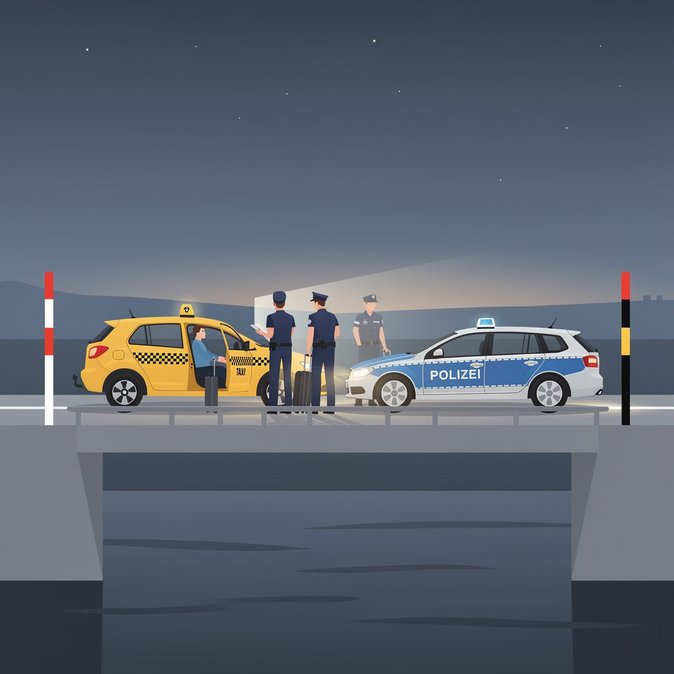
In the early hours of 21 September, a man attempted to enter Germany by hiring a Czech-plated taxi that crossed the small Zittau-Friedensstraße checkpoint from Poland. Bundespolizei officers conducting night-time controls quickly determined that the passenger—whose nationality was not disclosed—neither possessed a valid visa nor held a German residence permit. He now faces charges of illegal entry and illegal stay under Sections 95 and 96 of the Residence Act. Taxi crossings are receiving particular scrutiny after investigators uncovered several smuggling rings that charge irregular migrants up to €600 for a 10-kilometre ride across the Neisse river. Zittau is considered a soft spot because GPS apps often suggest its minor bridge to avoid queues at the A4 motorway. For mobility managers, the episode serves as a reminder that even low-profile modes of transport—ride-shares, taxis and private transfers—are subject to the same document-inspection regime as scheduled buses and trains. Employers arranging chauffeur services for visiting staff should ensure drivers brief passengers about potential stops and have invitation letters and proof of accommodation ready. Local hoteliers report some corporate guests arriving several hours late because of secondary questioning; providing a 24-hour reception desk or digital check-in codes can mitigate operational headaches.