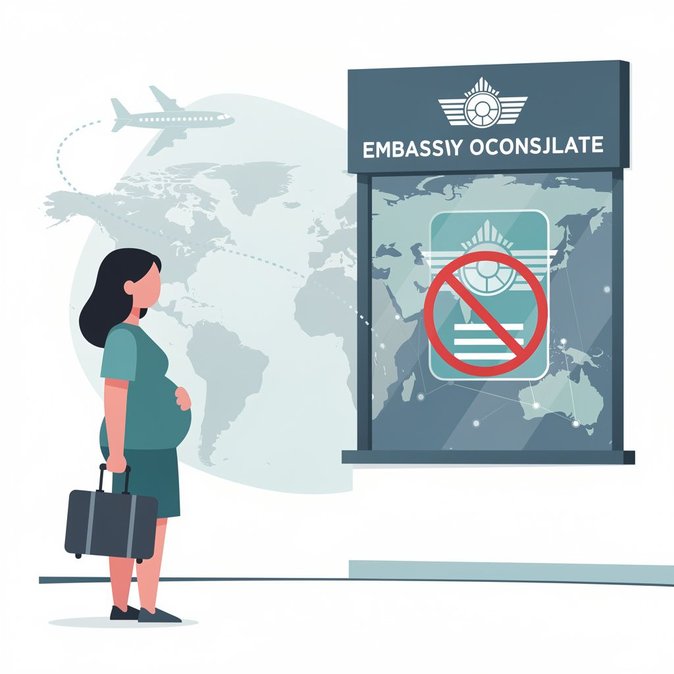
With a high-profile state visit by China’s president imminent, Secretary of State Marco Rubio announced a sweeping new visa-restriction policy aimed at individuals who profit from or enable so-called “birth tourism.” The policy, disclosed first to Fox News Digital, uses INA §212(a)(3)(C) to deny visas and travel authorizations to operators, medical providers, and “fixers” who coach foreign nationals to obtain U.S. citizenship for their children by giving birth on U.S. soil. According to Rubio, the United States “will not allow foreigners to exploit our immigration system and violate the sanctity of U.S. citizenship.” The move builds on Executive Order 14419—Ending Birth Tourism—signed last month and comes amid multiple congressional hearings spotlighting large-scale birth-tourism rings targeting Chinese and Russian clients. Practically, consular officers are directed to scrutinize B-1/B-2 visa applicants for pregnancy-related intent and to refuse or revoke visas where commercial facilitation is suspected. DHS has been instructed to identify and remove non-citizens already in the U.S. who are found to have participated in paid birth-tourism schemes. The policy does not apply to tourists who become unexpectedly pregnant or who can show legitimate, self-funded medical plans. For hospitals, travel-medicine clinics, and airlines, the guidance foretells heightened document checks and potential boarding denials for visibly pregnant passengers lacking proof of non-touristic purpose. Corporate mobility programs should alert employees and dependents about stricter questioning at visa interviews and ports of entry. Immigration lawyers also expect a spike in inadmissibility findings for misrepresentation, which carries a lifetime bar absent a waiver. While welcomed by lawmakers who argue that birth tourism strains public resources, critics say the policy could result in racial profiling and undermine legitimate medical travel. Companies with globally mobile workforces should monitor implementation closely and ensure employees understand the evidentiary burden when seeking short-term visas during pregnancy.
Source: Fox News Digital