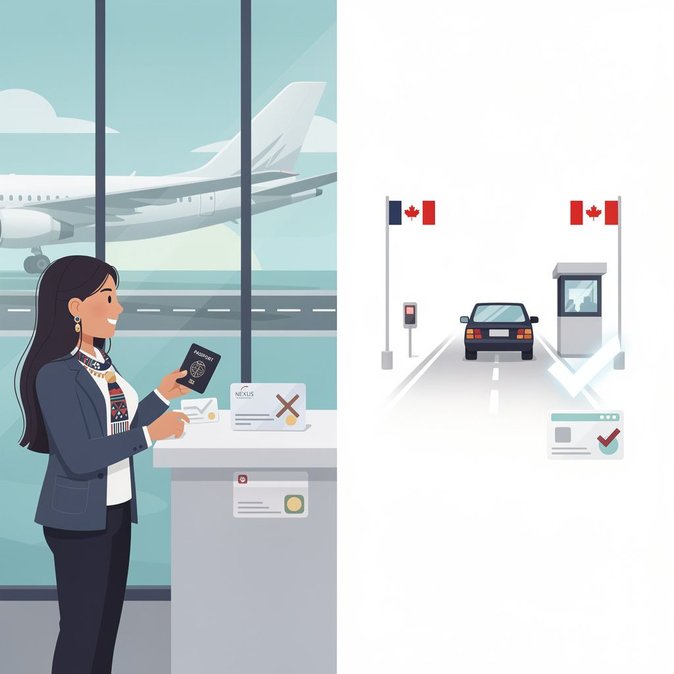
Canada’s government quietly pushed out an important update to its U.S. Travel Advice and Advisories page this morning (September 24, 2026, 08:53 ET). While the overall risk level for the United States remains at “Take normal security precautions,” the Entry / Exit Requirements section now explicitly reminds First Nations and Native American travelers that Secure Certificate of Indian Status (SCIS) and regular Status Cards are **not** accepted travel documents for flying into, out of, or within the United States. Why this matters: Each year thousands of Indigenous businesspeople and cross-border commuters rely on status cards for land-border crossings; some had assumed the same flexibility applied at airports. Carriers, however, may deny boarding to travelers holding only a Status Card, leading to missed meetings, additional costs and potential immigration complications upon arrival. The clarification comes just weeks before the peak holiday-travel season and amid renewed efforts by airlines and U.S. Customs and Border Protection to tighten document checks at Canadian pre-clearance airports. Business-travel impact: Employers should ensure that Indigenous employees traveling by air carry a valid Canadian passport or NEXUS card. Mobility teams should review template travel letters and pre-trip briefings to avoid last-minute airport refusals. Companies that move staff between mining, energy and agrifood sites on both sides of the border—particularly in remote regions—may wish to build extra time into schedules or reroute travelers through land crossings where status cards remain acceptable. Background: Since 2009, land and sea crossings have recognized certain Indigenous documents under the Western Hemisphere Travel Initiative (WHTI). Air travel has always required a passport or trusted-traveler card, but the rule was poorly communicated. The new language on travel.gc.ca is the clearest statement to date and is expected to be mirrored in airline guidance and CBP officer training in the coming weeks. Practical tips: • Advise travelers to verify their document set before booking flights. • For last-minute trips where no passport is available, consider routings through land borders followed by a domestic U.S. flight. • Update corporate travel-approval workflows to flag Indigenous status cards at the document-check stage. In an era of heightened document scrutiny, a proactive communications push now can spare companies—and travelers—costly disruptions later in the year.