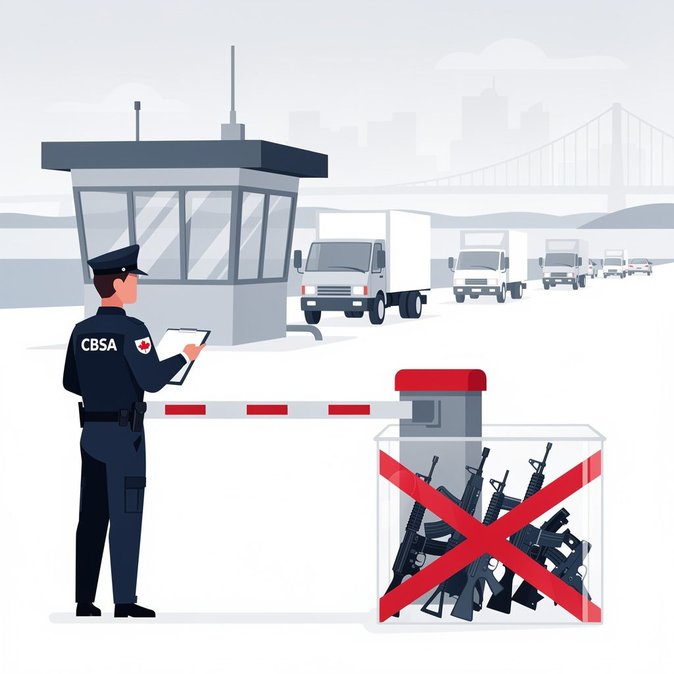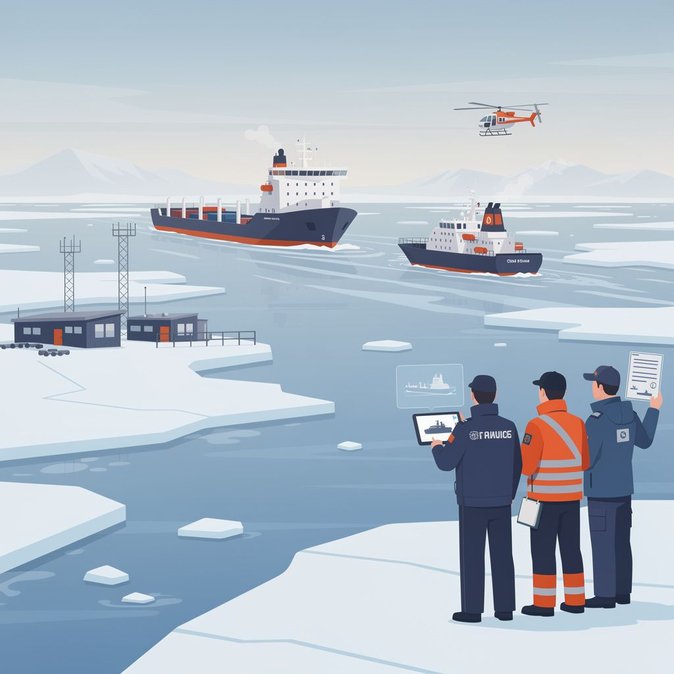
The Canadian Coast Guard (CCG) announced on September 24 that icebreaker CCGS Des Groseilliers has concluded ‘Exercise ARCTIC GHOST,’ a multi-agency operation near Cambridge Bay, Nunavut. The five-day drill brought together the CCG, Royal Canadian Mounted Police and Canadian Armed Forces to simulate the interception of suspect vessels in remote Arctic waters. Crucially, officials said the exercise was designed to test authorities granted by the 2026 Strengthening Canada’s Immigration System and Borders Act, which expanded CCG enforcement powers in marine environments. Scenarios included identifying undocumented passengers, verifying work permits of seasonal vessel crews and coordinating emergency evacuations. Why it matters to business: shipping firms, mining companies and cruise operators increasingly rely on Arctic routes as ice coverage shrinks. The drill signals Ottawa’s intention to apply the same immigration-and-customs scrutiny in the North that it does at southern ports of entry. Companies operating in the region should expect more frequent document checks and may need to brief crews on new inspection protocols. The exercise also showcased inter-agency data sharing, with officers accessing real-time IRCC databases to validate crew manifests. For global-mobility managers, the takeaway is clear: ensure that workers deployed on Arctic projects carry up-to-date permits and that electronic records match physical documents. The CCG says lessons learned will inform future Arctic operations and could shape forthcoming regulations under the Borders Act, expected later this year.
Source: Canadian Coast Guard