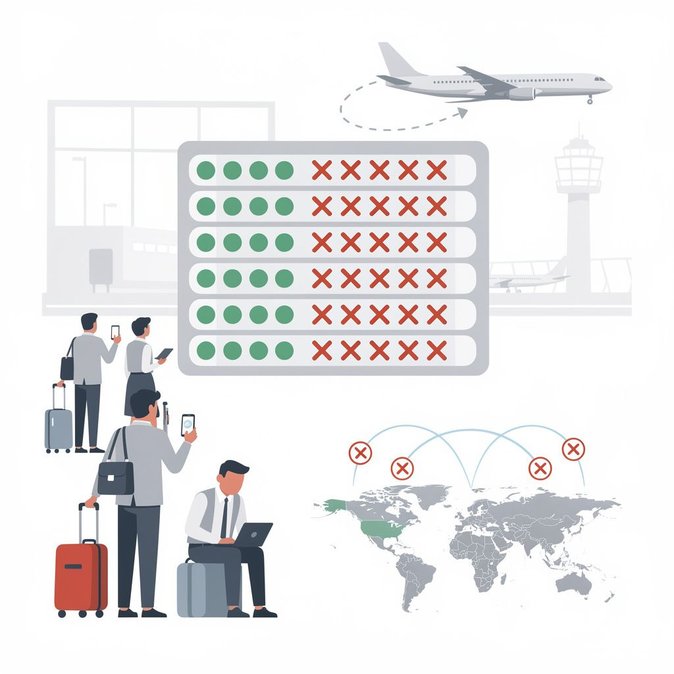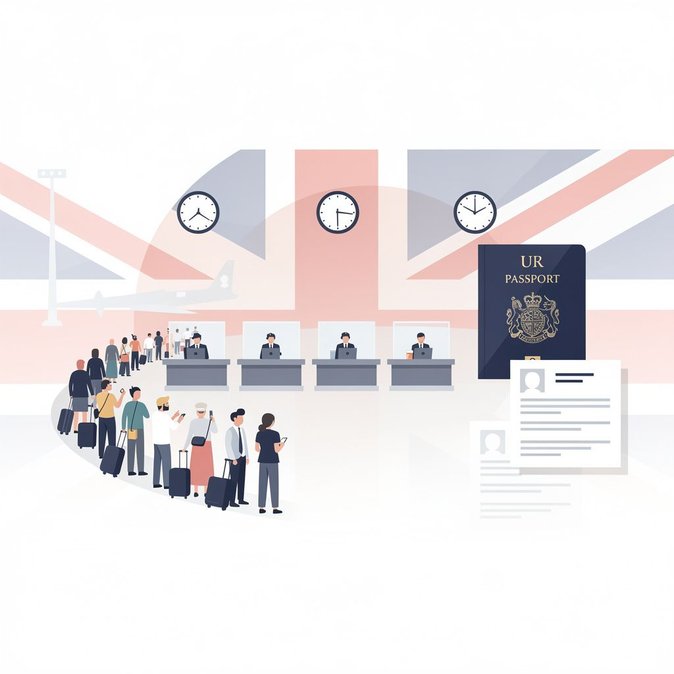
The Foreign, Commonwealth & Development Office (FCDO) has refreshed its France travel-advice page, time-stamped ‘still current at 29 September 2026’. While the last substantive content change was on 11 August, the page prominently reminds UK nationals that the European Entry-Exit System (EES) will go live in October 2027, introducing biometric self-service kiosks and exit records at French air, sea and rail borders. For British business travellers the message is timely: passports will be stamped automatically by EES kiosks, and anyone who exceeds the 90/180-day Schengen rule could be flagged on departure. Corporations rotating staff through Paris, Lyon or Toulouse under short-term project cycles must tighten day-count tracking now, as retrospective waiver requests are unlikely once the system is operational. The advice also reiterates that travellers presenting passports previously reported lost or stolen are “systematically removed” by UK Border Force—an issue that has caught out dual-nationals carrying multiple documents. Mobility managers should audit employees’ passport records and ensure company visa desks cancel any obsolete travel documents to prevent mis-matches. Although strike-related travel disruptions in France have subsided since the summer, the page maintains a wildfire warning through October, signalling insurance implications for project teams in Marseille and Bordeaux. Companies should remind staff that business-travel policies must cover natural-hazard evacuations, as many standard policies exclude wildfire zones once a local alert is issued. Given France remains the UK’s biggest business-travel destination—accounting for roughly 15 percent of all short-haul trips—the FCDO update is a nudge to start EES readiness drills. HR systems that already track US ESTA or Canadian ETA validity can be adapted to record Schengen day counts, reducing the compliance burden ahead of 2027.
Source: FCDO