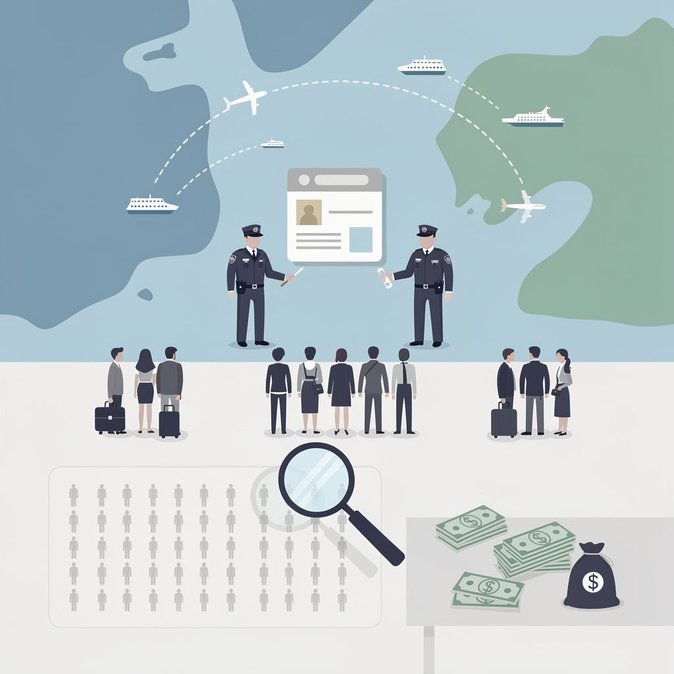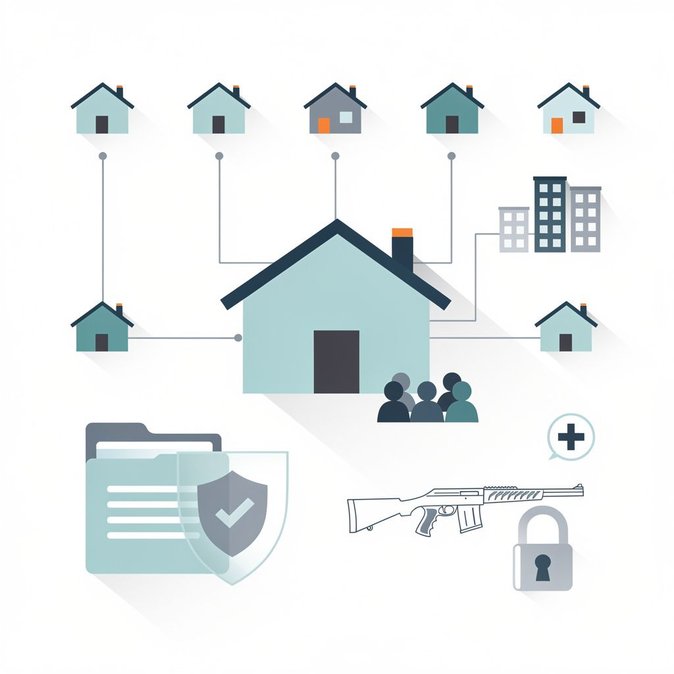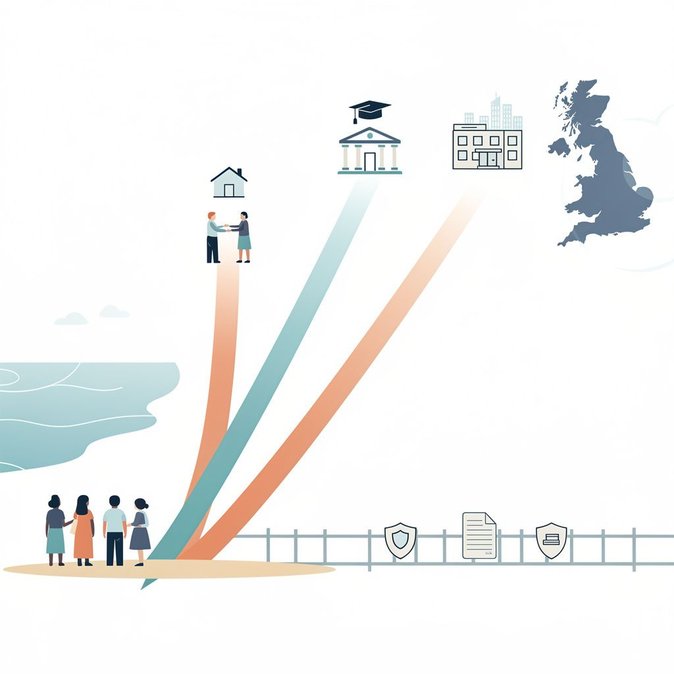
Speaking at the Labour Party conference in Liverpool on 29 September, Home Secretary Shabana Mahmood confirmed that the UK Resettlement Scheme (UKRS) is once again taking referrals effective immediately. A detailed Home Office press release followed hours later, outlining how the reboot will prioritise Afghan women and girls and Palestinian refugees—groups the government says face acute protection gaps. The UKRS had been largely dormant since early 2024, when resources were diverted to the bespoke Ukraine and Hong Kong pathways. Its revival marks the first large-scale, UN-supported resettlement programme launched by the new administration and sits alongside three novel “safe and legal” routes—community, student and work sponsorship—due to open for sponsorship applications next month. Local authorities and third-sector bodies applauded the decision but cautioned that housing bottlenecks could limit the initial intake, projected to be “in the low thousands”. Under the refreshed model, arrivals will receive a five-year route to settlement, broader than the temporary protection issued to small-boat entrants. Sponsors—whether civic groups, universities or employers—must guarantee accommodation and integration support, a design intended to shift some costs away from local councils. Business immigration specialists note that the forthcoming work-sponsorship track could offer companies a new avenue to recruit refugees, but only if salary and compliance rules mirror the Skilled Worker visa. For global-mobility managers the announcement is significant on two fronts: first, multinational firms can signal corporate social responsibility by acting as sponsors; second, the policy underscores the government’s preference for capped, controlled channels, suggesting that harder measures—such as extended settlement qualifying periods for irregular arrivals—will be pursued in tandem. Practitioners should therefore prepare for a more complex landscape in which legal routes proliferate even as enforcement tightens. The Home Office says first arrivals under the reopened UKRS will land before year-end, pending security vetting and flight logistics coordinated with the UN High Commissioner for Refugees (UNHCR) and the International Refugee Assistance Project.
Source: Home Office (GOV.UK)