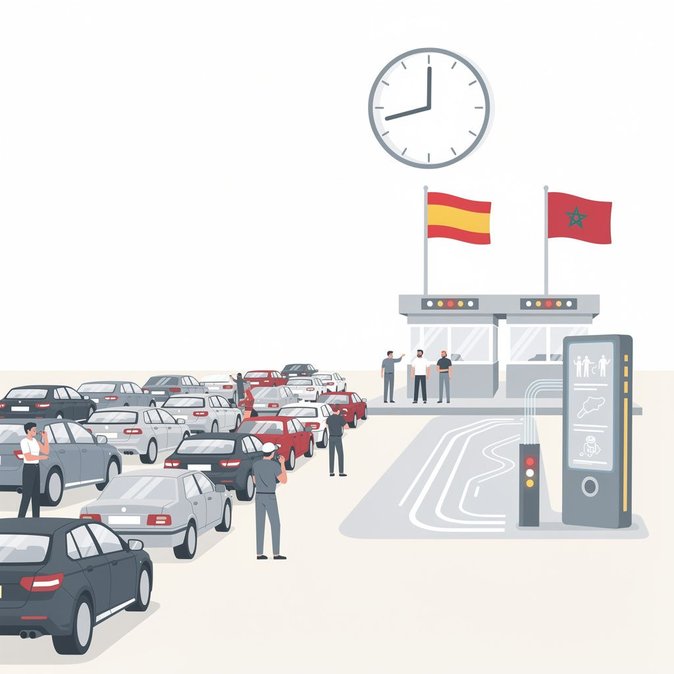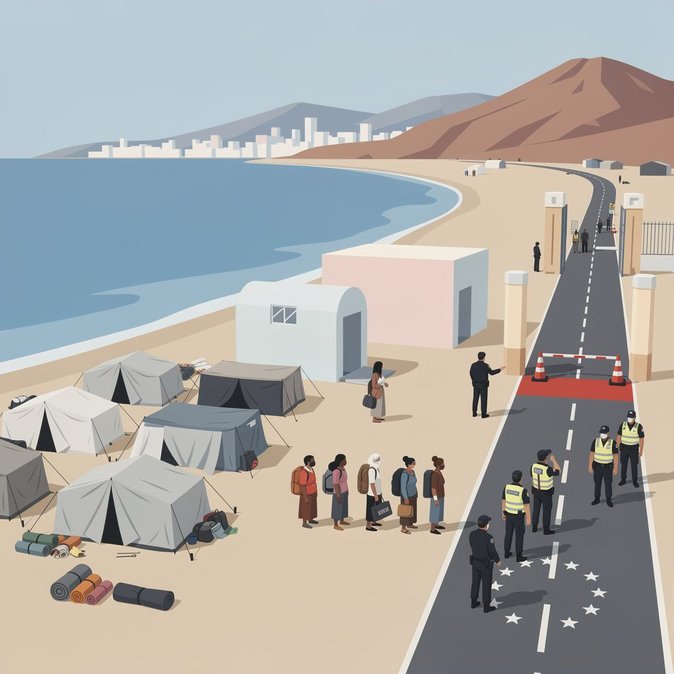
In the early hours of Sunday, 4 October 2026, more than 350 National Police officers backed by the Guardia Civil and army units began dismantling the sprawling informal settlement that had taken over Trampolín beach in Ceuta. The camp had housed over 3,000 people—mostly Moroccan and sub-Saharan migrants—who entered the Spanish exclave in the mass crossings of 30–31 July. After weeks of negotiations with community leaders and humanitarian organisations, the Ministry of the Interior activated what it calls “Operación Trampolín”, bussing residents to the nearby Tarajal border post. Each migrant was offered a stark choice: register for processing at the Centre for Temporary Attention to Foreigners (CATE) and be moved to government accommodation, or return to Morocco voluntarily without formal registration. Officials insist the operation is humanitarian in nature. Civil-protection teams provided food, medical triage and information in six languages, while 120 Red Cross volunteers stood by. Yet the sight of riot police, naval launches patrolling the shoreline and a military security cordon underscored Madrid’s determination to prevent another protracted encampment. Interior minister Ángel Víctor Torres, who heads the single command in Ceuta, set 15 October as the deadline to restore the beach to the public. For Spain’s business community the clearance matters well beyond Ceuta’s 18.5-km² territory. July’s mass entry triggered reciprocal re-introduction of Schengen controls with Italy and heightened passport checks on ferries across the Strait of Gibraltar. Logistics firms moving goods between Algeciras, Tangier-Med and mainland Europe have faced new paperwork and unpredictable delays—costly for just-in-time automotive supply chains clustered in Navarra and Catalonia. Clearing the camp is therefore viewed in Brussels and by corporate mobility managers as a pre-condition for winding down those border controls before they expire on 7 October. Human-rights NGOs worry that rapid clearance may push vulnerable people into even riskier journeys. Several migrants told reporters they plan to attempt entry into Melilla or undertake sea crossings to the Canary Islands rather than return to Morocco empty-handed. The Interior Ministry says new fast-track asylum units at Tarajal can process 300 applications a day, but lawyers note an appeal backlog of 98,000 cases. Companies that post staff to Ceuta—particularly in the call-centre and online-gaming sectors—are advising employees to carry residence permits at all times as ID checks around the city intensify. At EU level, the operation will feed into next week’s Justice and Home Affairs Council, where temporary re-border-controls, the relocation mechanism and funding for Spain’s external-border management are on the agenda. Whether Sunday’s show of force calms political pressure or inflames it will shape Schengen travel fluidity for the rest of 2026.
Source: Agencia EFE