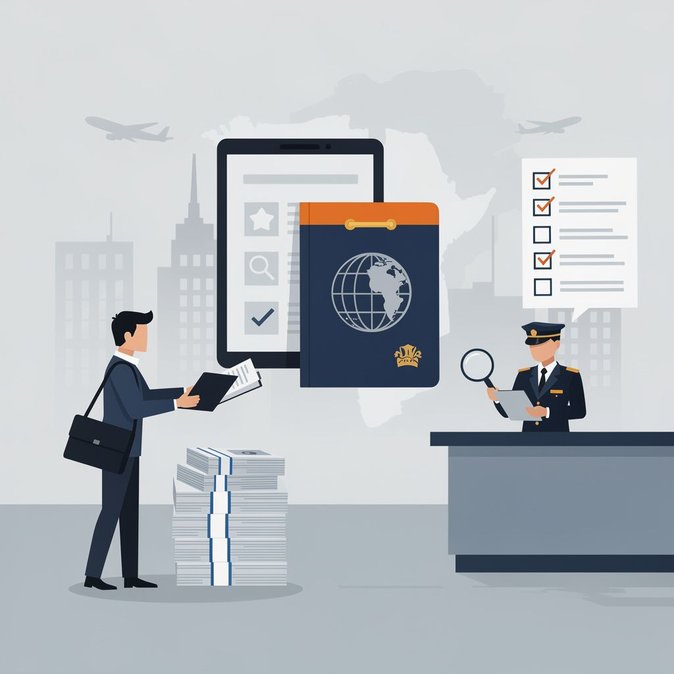
India’s Bureau of Immigration (BoI) has quietly instructed airports and overseas missions to step up scrutiny of e-Business visa applications after several cases of misuse were detected at major entry points over the past quarter. According to a guidance note circulated internally on 2 October and referenced in a detailed explainer published on 3 October by specialist portal India-Immi.org, officers must now verify that every applicant uploads a correctly formatted business-introduction letter, an invitation from the Indian host company on official letterhead, and documentary proof of the commercial relationship (such as purchase orders, contracts or joint-venture MoUs). The move follows a 19 % spike in refusals at Delhi, Mumbai and Bengaluru airports during July-September 2026, when inspectors uncovered travellers carrying tourist-class tickets and leisure itineraries despite holding e-Business visas. Authorities say the stricter checklist is intended to prevent visa misuse while protecting genuine investors and conference delegates from last-minute refusals. Under the revised workflow, incomplete applications will trigger an automated “show-cause” email giving the traveller 72 hours to upload the missing document. Failure to comply will see the e-visa revoked and fresh fees levied. For companies arranging short-term assignments, the biggest practical change is that invitation letters must now state the exact nature of activities—“technical discussions”, “after-sales support” or “market feasibility study”, for example—and list every Indian city to be visited. Multinationals have been advised to update their global mobility checklists and to brief line managers who issue support letters. Travel suppliers also warn that urgent trips may require a regular consular business visa, as the e-Business channel can no longer be relied upon for 48-hour turnarounds. Immigration lawyers say the tighter gatekeeping is part of a broader modernisation push. “The government is under pressure to keep overstays down without discouraging FDI,” notes Gurugram-based advocate Meera Krishnan. “Expect further tech integrations between the e-Visa portal, IVFRT database and airports so that red flags—like an applicant’s previous tourist overstays—surface in real time.” Companies with frequent flyers are therefore urged to audit past travel histories and resolve any legacy compliance lapses before scheduling new trips. In the short term, mobility managers should budget extra lead time (five to seven working days) for document collation and internal sign-offs. Travellers should carry printed copies of all supporting letters even though the visa is electronic, as frontline immigration officers retain discretionary power to request originals at arrival.
Source: India-Immi.org