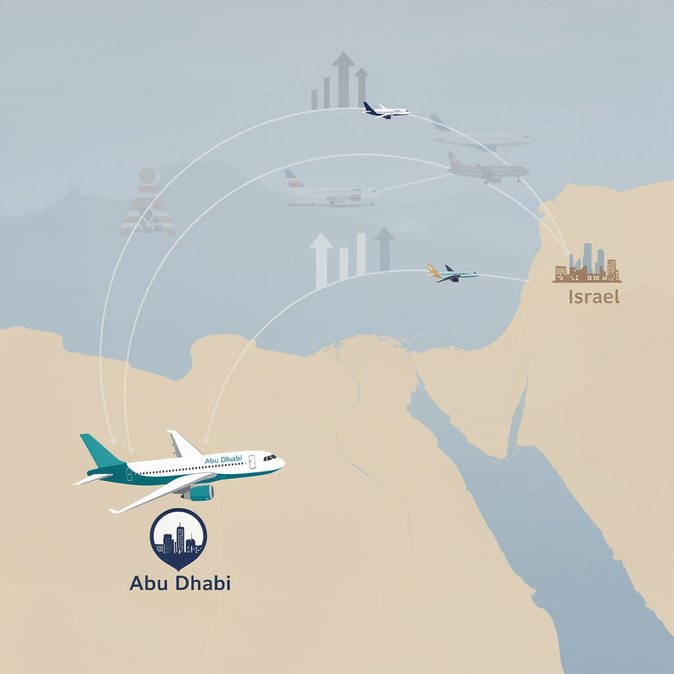
Gulf News reports that multiple airlines experienced delays and a handful of cancellations at Dubai International (DXB) and Abu Dhabi’s Zayed International Airport on the morning of 5 October as geopolitical frictions in the Gulf continued. Affected services ranged from Emirates flights to Copenhagen to flydubai and Air Arabia rotations to Tel Aviv, Bahrain and Kuwait. While most operations proceeded, travel-risk analysts say the pattern reflects carriers’ caution over potential airspace closures linked to the widening US-Iran conflict. The UK Maritime Trade Operations agency has recorded daily attacks on commercial shipping around the Strait of Hormuz since 2 October, raising insurance premiums and prompting airlines to pad schedules. Corporate-travel managers should advise employees to monitor flight-status alerts and allow extra airport time; some carriers recommend arriving four hours before departure. Employers may also need to adjust per-diem budgets as unexpected overnights become more common. From a logistics standpoint, the disruption highlights the interconnectedness of passenger and cargo flows. Forwarders warn that belly-hold capacity constraints could nudge air-freight rates higher, affecting just-in-time supply chains headquartered in the UAE’s free zones. The UAE’s National Emergency Crisis and Disaster Management Authority (NCEMA) has not issued new directives, but contingency plans—including potential slot rescheduling and crew-duty-time extensions—are in place should the security picture deteriorate further.
Source: Gulf News