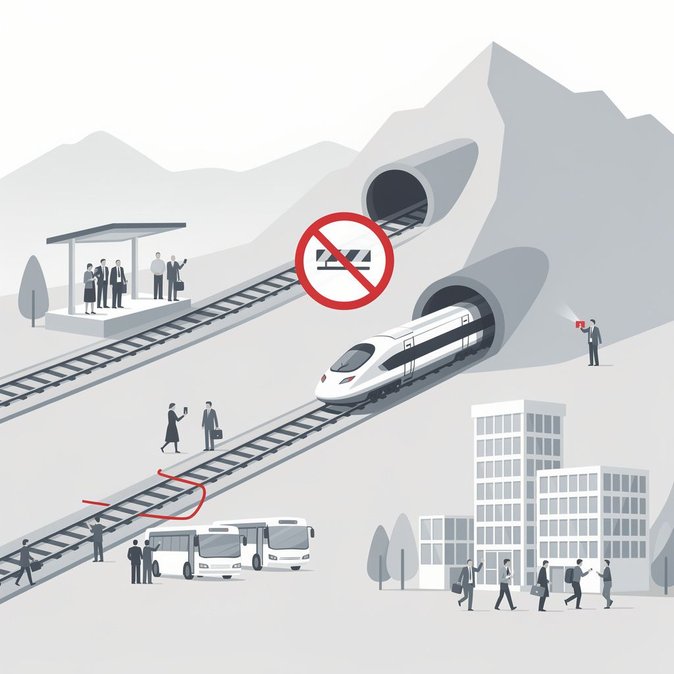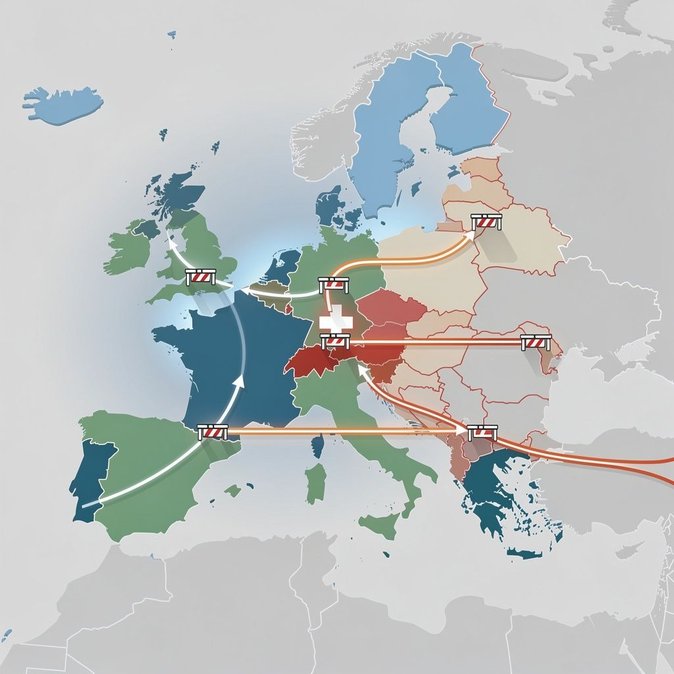
The European Commission’s Directorate-General for Migration & Home Affairs on 7 October 2026 updated its live register of temporary internal Schengen border controls. Spain allowed its air- and sea-border checks with Italy to lapse at midnight, ending a 15-day measure introduced to stem secondary migrant movements during a spike in arrivals to the Canary Islands. Although the Spanish rollback eases itineraries for Swiss corporate travellers transiting Madrid or Barcelona en route to Latin America, other controls remain in place or have been prolonged. Italy continues checks at its maritime borders with Spain until at least 16 October, while France will re-activate controls at its land borders – including those with Switzerland – from 1 November through 30 April 2027 citing terrorism-related threats and the security build-up to the Paris Peace Forum. Germany and Austria also maintain land-border checks that indirectly affect itineraries from Switzerland via Munich or Innsbruck. Under Schengen rules, internal checks are supposed to be a last resort, yet the rolling extensions mean that Swiss residents no longer enjoy friction-free overland movement to large parts of neighbouring Europe. Business-travellers should build an extra 30–45 minutes into door-to-door schedules on routes that cross French, German or Austrian frontiers and carry passports even on routine day trips. Companies operating shuttle buses for posted workers between Basel and the Alsace, or between St Gallen and Vorarlberg, should verify whether drivers need advance passenger lists. Global-mobility teams must also watch validity windows: Spain’s controls are currently lifted but could return with 24-hours’ notice if migrant flows pick up. Travel-risk policies should therefore mandate continuous monitoring of the Commission’s notification page and, where possible, the use of API integrations that flag new Article 25a alerts. Finally, HR departments should remind third-country assignees that time spent under internal border control still counts towards the Schengen 90/180-day rule.