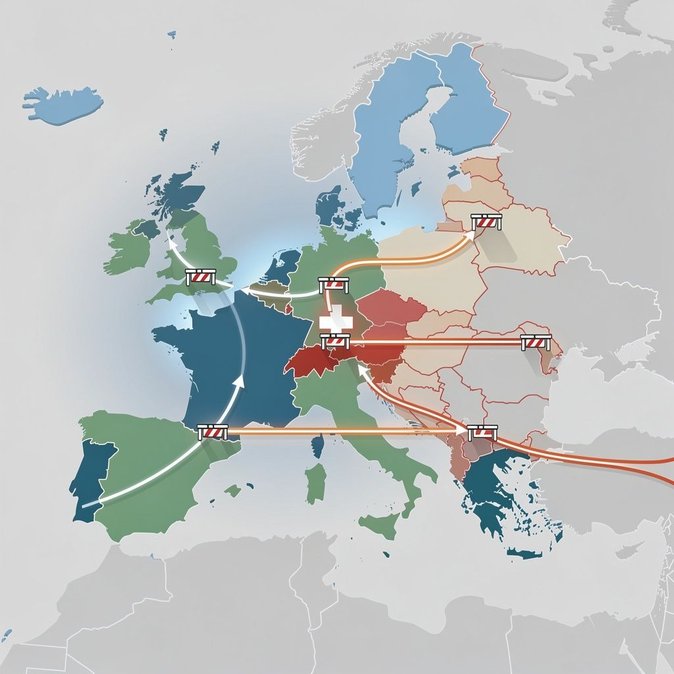
Zurich Airport processed more than 123,000 arriving and departing travellers on Sunday, 4 October 2026, setting an all-time single-day record, the airport confirmed on 6 October. The unprecedented surge comes as several cantons began school autumn holidays, driving a spike in outbound leisure traffic while return flows from early-starting cantons overlapped. Preliminary figures released to news agency AWP suggest the record will stand once final statistics are published in mid-November. Operationally, the passenger peak tested every facet of the hub’s capacity—security screening, baggage systems and the newly introduced EU Entry/Exit System (EES) kiosks that capture biometric data from third-country nationals. While the airport maintained published minimum-connection times, ground-handling providers reported tight turnaround margins and called in additional staff on short notice. Airlines, including SWISS and Edelweiss, deployed wide-body aircraft on ordinarily narrow-body European rotations to absorb demand. For corporate travel planners the data point is more than trivia. Zurich’s record illustrates a broader trend: Swiss leisure peaks increasingly coincide with critical business-travel windows at the start of Q4, complicating seat availability and fare management. Companies with time-sensitive trips around early October should therefore book capacity several weeks earlier or explore routings via Geneva, Basel Mulhouse or even Milan Malpensa. The record also raises questions about long-term airport infrastructure. Zurich is already operating close to its current slot cap of 350,000 movements per year; the next tranche of expansion—additional remote stands and a midfield pier extension—will not come online until 2029. Until then, similar spikes could translate into longer queues at immigration, particularly once the EES’s enforcement grace period ends next spring. Lastly, the news offers a reminder of Switzerland’s dependence on a single primary hub. Any disruption—weather, strike or technical failure—on a record-volume day could cascade rapidly through the national transport system. Mobility managers should continue to integrate real-time passenger-flow data into their risk dashboards and keep contingency plans for coach or rail transfers to secondary airports.
Source: SWI swissinfo.ch