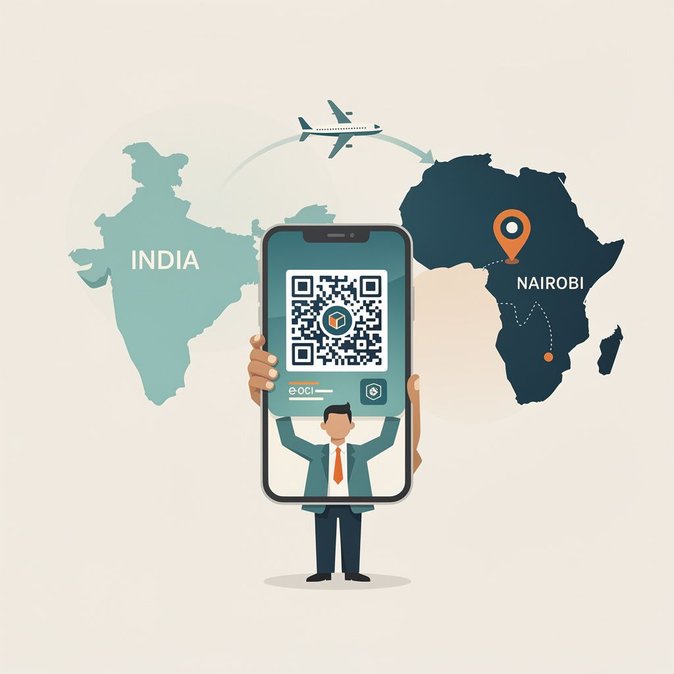
India’s overseas missions have begun an aggressive information campaign to promote the new electronic Overseas Citizen of India (e-OCI) card, with the High Commission in Nairobi updating its website on 7 October 2026 to highlight download procedures and travel implications. The fully digital credential—rolled out globally on 8 July 2026—replaces the traditional blue OCI booklet and eliminates the need for re-issuance when cardholders renew their passports at age 20 or 50. Under the revised rules, all new OCI applicants automatically receive an e-OCI PDF secured by a QR code. Existing booklet holders remain valid but are ‘strongly encouraged’ to generate the digital version before their next trip. From 1 January 2027, immigration counters in India will accept either credential, but airlines may require the scannable e-OCI to speed boarding. The change brings tangible benefits for corporate assignees of Indian origin: no more couriering passports to consulates for booklet transfer, faster updates to personal particulars and the ability to carry proof of status on a smartphone. However, mobility advisers should note that the e-OCI platform does not yet support offline verification in remote airports, so travellers on multi-leg domestic itineraries may still wish to carry a print-out. Missions have also warned that failure to update passport details in the OCI portal could result in penalties under Rule 7B of the Citizenship Rules 2009. HR departments should therefore audit expatriate records, ensure that staff generate the e-OCI and schedule biometric enrolment appointments where required.