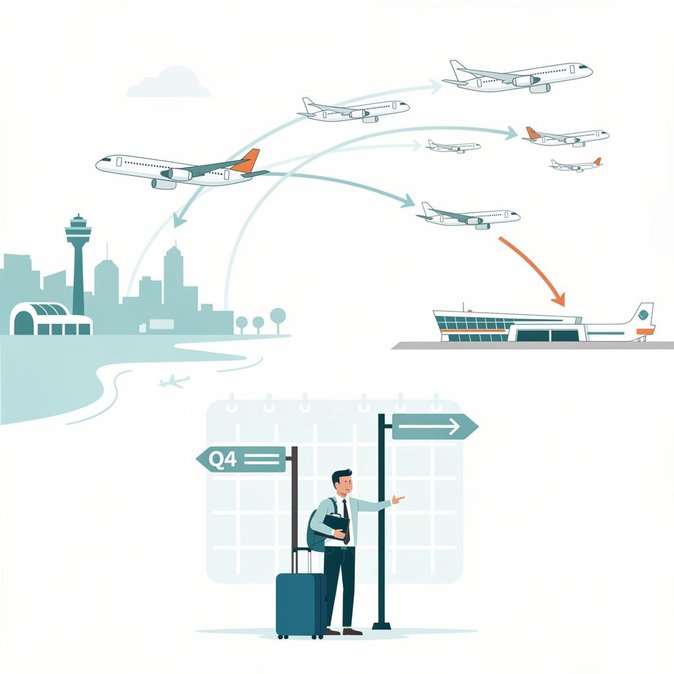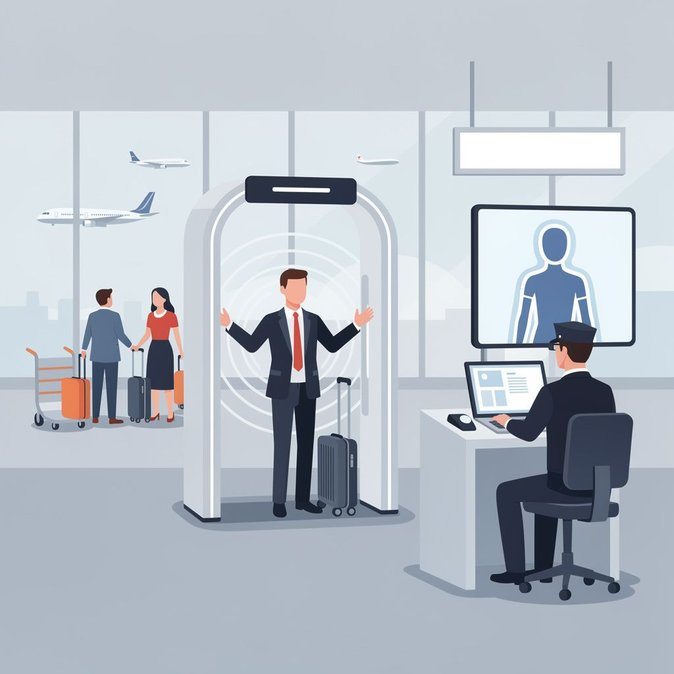
The Ministry of Civil Aviation has quietly launched full-scale field trials of millimetre-wave full-body scanners at Delhi, Mumbai and Bengaluru airports from 1 October 2026, senior officials told The Times of India. The scanners, supplied by American and Israeli vendors, promise to cut average passenger screening time from 25 seconds to under 8 seconds while detecting non-metallic threats—an improvement long demanded by the Bureau of Civil Aviation Security (BCAS). Privacy, however, remains the elephant in the room. India has chosen “Automatic Threat Recognition” software that shows only generic avatars rather than anatomical images, similar to European Union standards. The Airports Authority of India (AAI) is also piloting indigenous algorithms developed by IIT-Hyderabad to anonymise data and ensure no images are stored beyond a 30-second review window. Regulators say the tests will run for six weeks and, if successful, equipment orders for 78 airport checkpoints will follow in early 2027. For business travellers, the upgrade could be transformational. India’s top six hubs processed more than 180 million passengers in FY 2025-26, and peak-hour queues frequently stretch to 30-45 minutes. Mobility managers rank security bottlenecks as one of the biggest pain points for expatriate assignees, particularly at Delhi’s T3 and Mumbai’s over-burdened Terminal 2. Faster, non-intrusive screening would not only cut dwell times but also reduce missed connections and facilitate tighter meeting schedules. Airlines are equally eager. IndiGo and Vistara estimate that every two-minute reduction in average boarding-gate reporting saves up to ₹3,500 in ground-handling costs per flight. Carriers have offered to co-finance scanner deployment under the government’s digi-travel roadmap if BCAS allows risk-based profiling that channels low-risk passengers through automated lanes—a move still under discussion. Yet hurdles remain. Labour unions representing CISF screeners fear job losses, while disability advocates want clear alternative screening protocols for passengers with medical implants. Industry observers predict that widescale roll-out will require amendments to the Aircraft Rules 1937 and a fresh Data Protection Impact Assessment. Those regulatory pieces are expected to be tabled in Parliament’s winter session.
Source: The Times of India