Vienna issues fresh security advisory for travellers to Iran
Austria Joins Denmark, Germany, Greece and the Netherlands in Fast-Tracking External ‘Return Hubs’
Australia’s Smartraveller warns of possible border-crossing delays in Austria as EES roll-out accelerates
Latest News
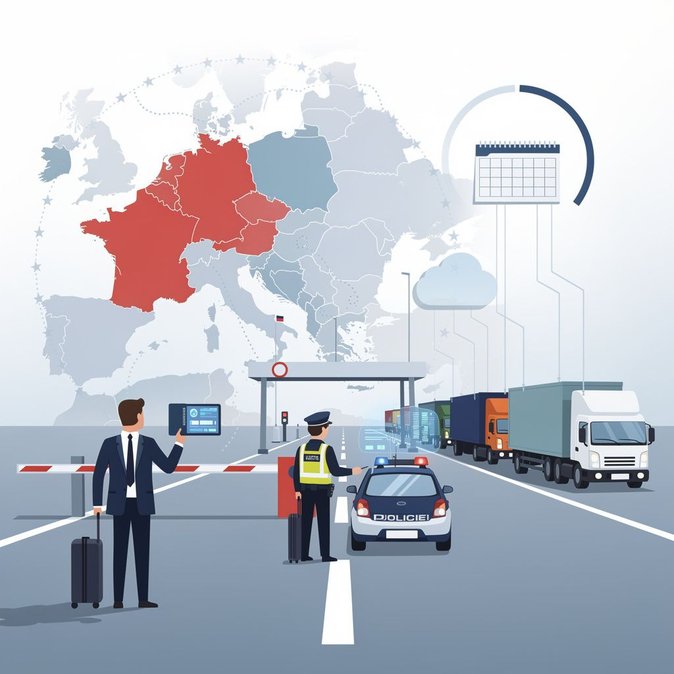
EU updates Schengen border-control list – Austria’s checks with four neighbours remain in place until 15 March 2027
The European Commission’s latest Schengen register (8 Oct 2026) confirms that Austria will maintain full police and customs controls on its borders with Slovakia, Czechia, Hungary and Slovenia until 15 March 2027. The extension, justified by irregular-migration and security concerns, means ongoing spot checks and possible delays for business travellers and freight traffic. Employers and logistics firms should keep passports, A1 certificates and electronic transit data ready while updating travel-policy guidance ahead of the EU’s new Entry/Exit System.
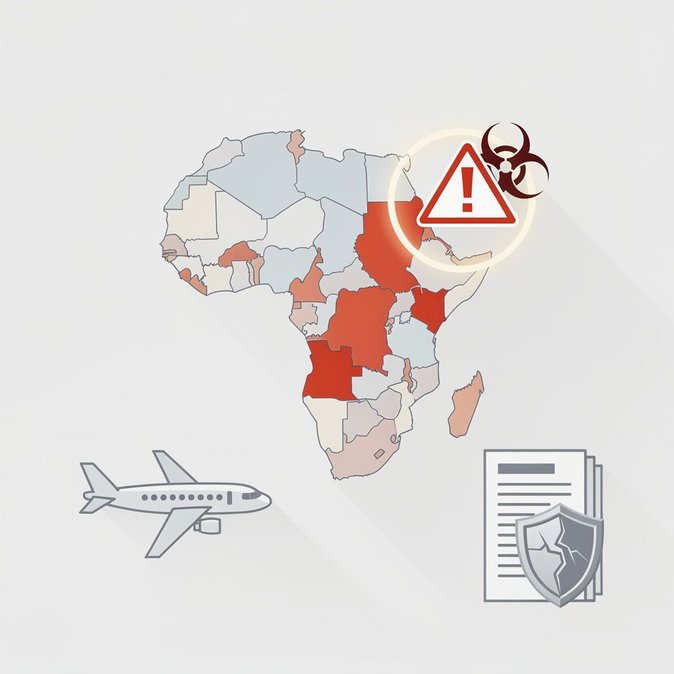
Austria maintains Level-4 warning for Central African Republic as Ebola concerns grow
The 9 October refresh of Austria’s advisory for the Central African Republic sustains the maximum risk rating and adds detailed Ebola-related precautions. Essential travel only is advised, with firms warned of scarce evacuation options and potential insurance voidance.
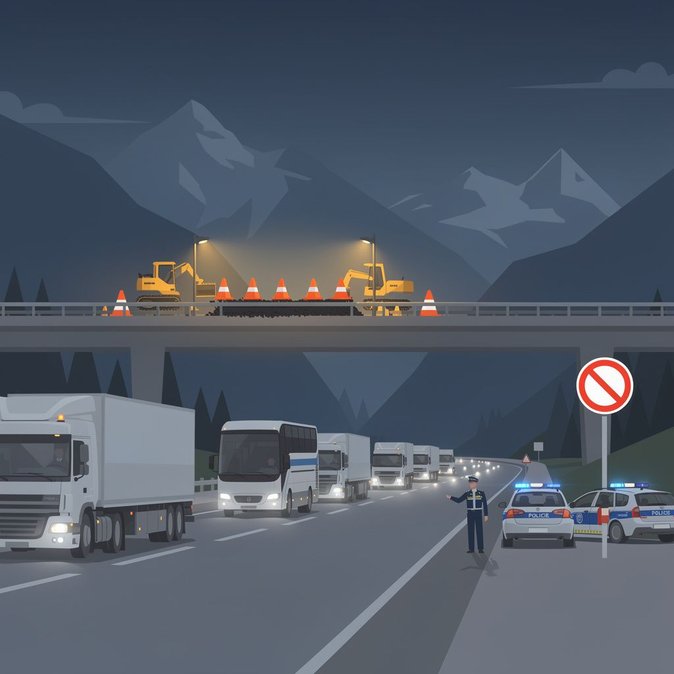
Night-time HGV ban on Tyrol’s Luegbrücke to be enforced with police checkpoints
Resurfacing on the A13 Luegbrücke will trigger a night-time ban for trucks and large buses from 12–15 and 19–22 October. Police will enforce the curfew at Pettnau and Kufstein checkpoints, potentially delaying Austria-Italy road freight.

Nationalrat to debate fast-track deportations of foreign prisoners and tougher anti-trafficking laws
A parliamentary agenda published on 9 Oct confirms that Austria’s Nationalrat will vote next week on reforms allowing deportation of foreign prisoners after half their sentence and on tougher anti-trafficking offences. The move could significantly shorten removal timelines and widen corporate liability, requiring multinationals to update compliance and duty-of-care procedures.

Wildfire season prompts updated Austrian guidance for Greece
A 9 October update from BMEIA keeps Greece at the lowest risk rating but urges Austrian travellers to prepare for sudden wildfire or flood alerts delivered via Greece’s Cell Broadcast system. The notice also confirms that ID Austria cards are not valid travel documents for Greek border checks.
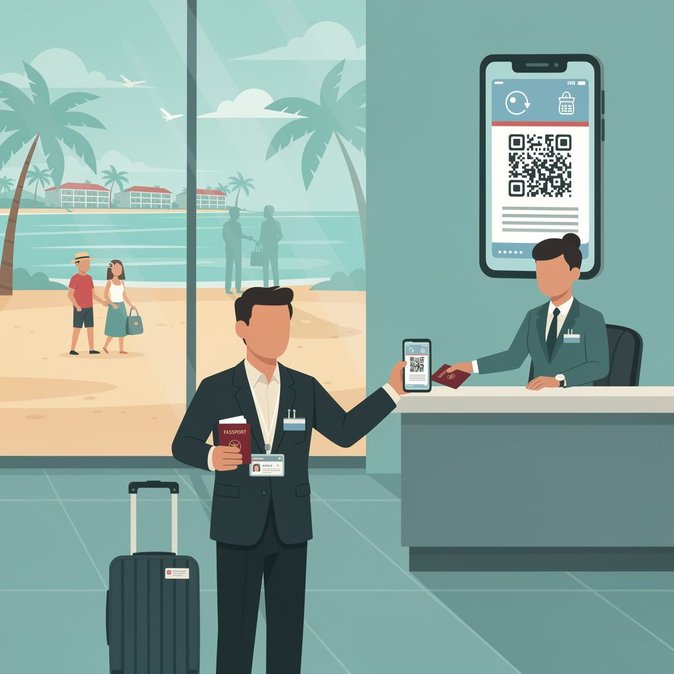
Mandatory e-Ticket and high crime highlighted in Dominican Republic advisory
Austria’s 9 October travel notice for the Dominican Republic stresses rising armed robberies in tourist areas and reminds travellers that the electronic E-Ticket form is compulsory for both entry and exit. Mobility managers must ensure staff complete the online form and carry passports rather than ID Austria cards.
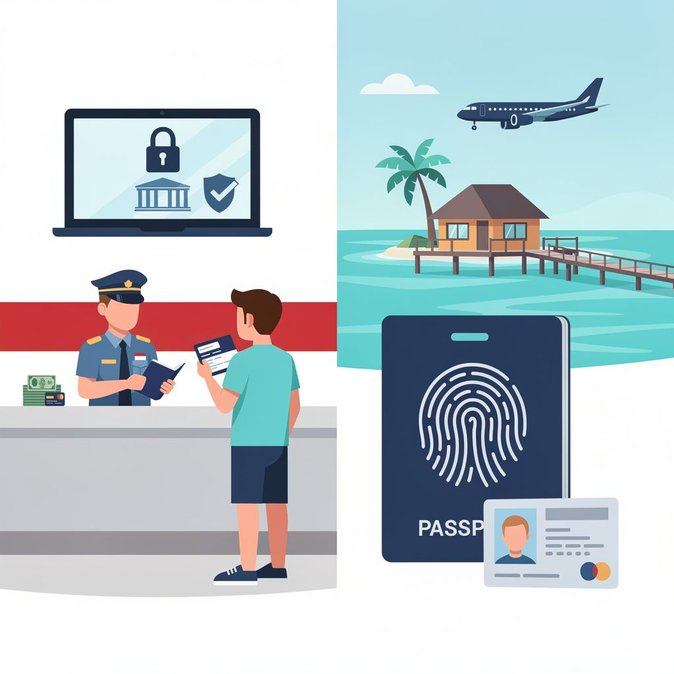
Austria re-confirms Maldives ‘visa on arrival’ rules amid tightened document checks
A fresh 9 October timestamp on Austria’s Maldives advisory reiterates visa-on-arrival eligibility but warns of stricter checks on onward tickets and funds. BMEIA urges travellers to submit the mandatory online declaration only via the official portal and to ensure passports—not ID Austria cards—are carried.
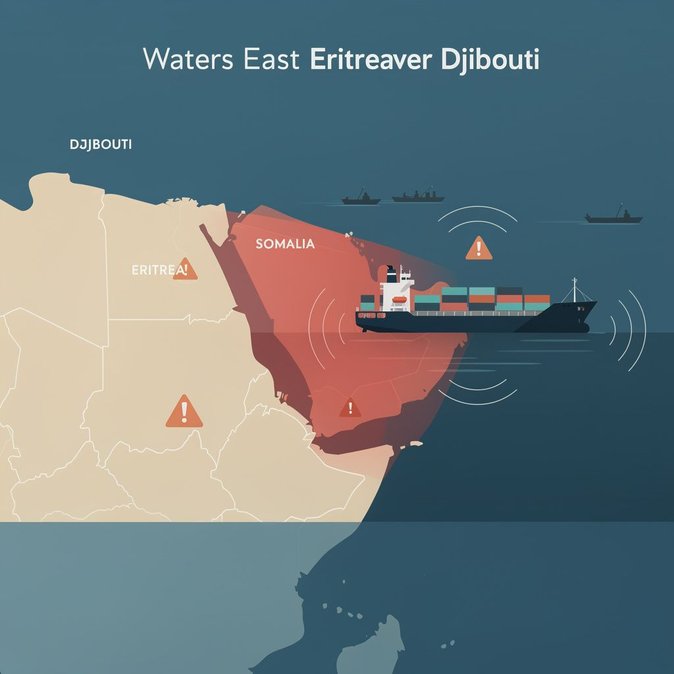
Piracy risk off Horn of Africa triggers updated Djibouti guidance
A 9 October advisory update flags persistent piracy risks in waters east of Djibouti and urges Austrian shipping and project personnel to follow BMP-5 guidelines. Border regions with Eritrea and Somalia remain high-risk (Security Level 3).

School-strike demonstration shuts Vienna’s Ringstraße, causing day-long traffic disruption
A student climate-strike march on 9 Oct shut Vienna’s Ringstraße for nearly eight hours, paralysing car, taxi and tram traffic around the city centre and delaying airport transfers and courier deliveries. The incident underscores the need for real-time transport monitoring and contingency plans for business travellers in Austria’s capital.
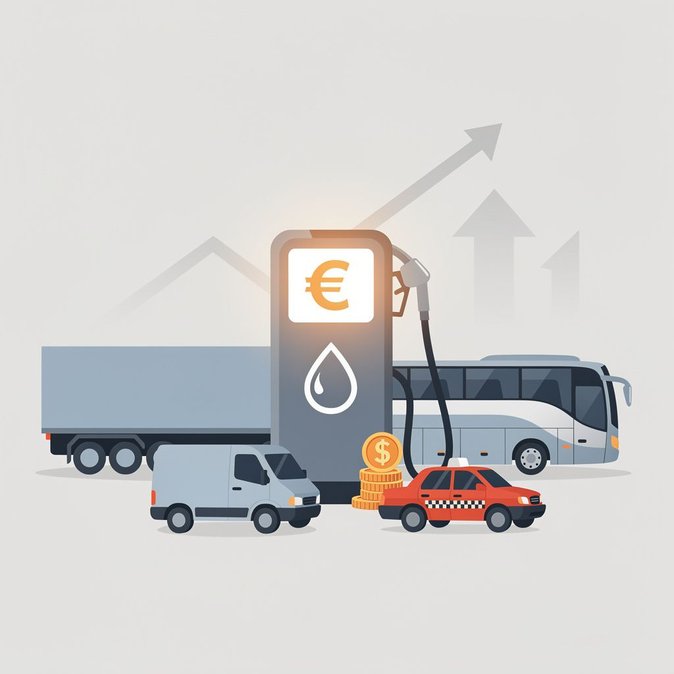
Spike in diesel prices squeezes Austrian transport firms, raising domestic delivery costs
ORF reports that diesel prices of around €2.05 per litre are eroding profit margins for Austrian trucking and coach companies, many of which are imposing fuel surcharges. The price spike is set to raise relocation, courier and taxi costs, pressing mobility managers to budget for higher domestic transport expenses through the winter.

Malaysia advisory stresses ferry safety, keeps Security Level 2
BMEIA’s 9 October refresh retains Malaysia’s Security Level 2 but urges caution when using ferries and highlights the nationwide 999 emergency system. Mobility teams should brief travellers on maritime safety and ensure they carry valid passports rather than ID Austria cards.
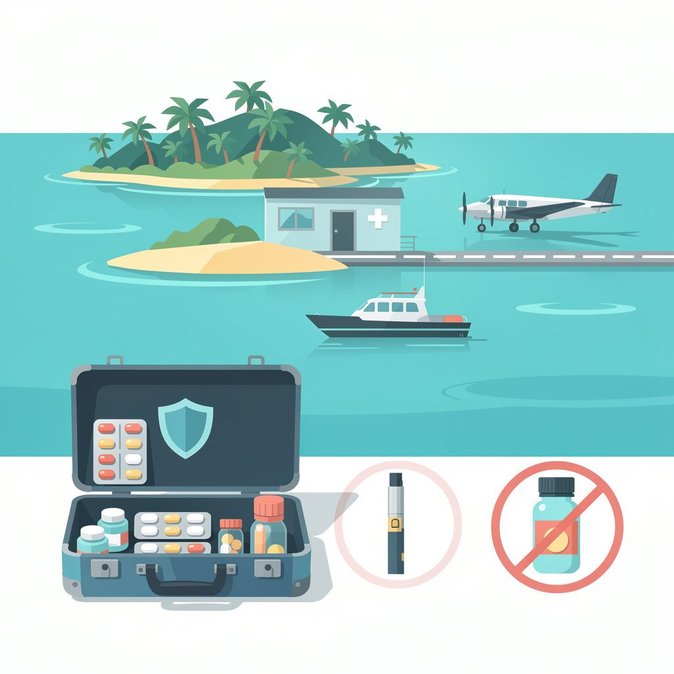
Marshall Islands added to 5-day update cycle, advisory confirms low risk but limited healthcare
BMEIA’s 9 October timestamp confirms the Marshall Islands remain low risk but flags very limited healthcare and transport options. Travellers must secure robust evacuation insurance and prepare documentation for restricted pharmaceuticals and e-cigarettes.

Ryanair cuts ten Vienna routes and removes two aircraft from its Austrian winter base
Ryanair will base only 12 aircraft in Vienna this winter (-2) and cancel ten routes from the capital, plus two regional links, citing Austria’s €12 aviation tax and higher airport fees. The move removes capacity on several key business-travel city pairs and puts 80 local jobs at risk, increasing pressure on the government to review aviation taxation.
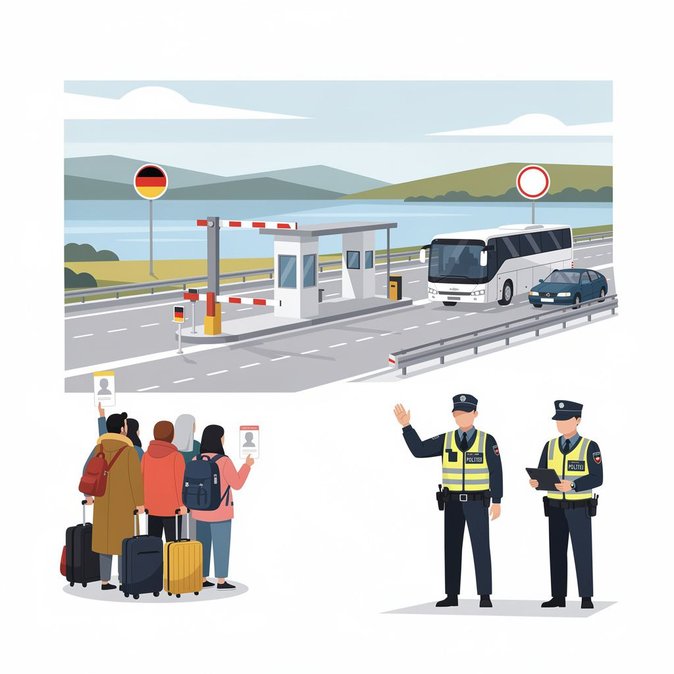
German Federal Police turn back irregular migrants at Hörbranz border crossing
At the Hörbranz/Lindau crossing on 8 October, German police refused entry to 11 migrants travelling on expired or forged documents and sent most back to Austria. The case illustrates ongoing secondary migration flows and the operational impact of Austria’s and Germany’s extended internal border checks on road and coach traffic.
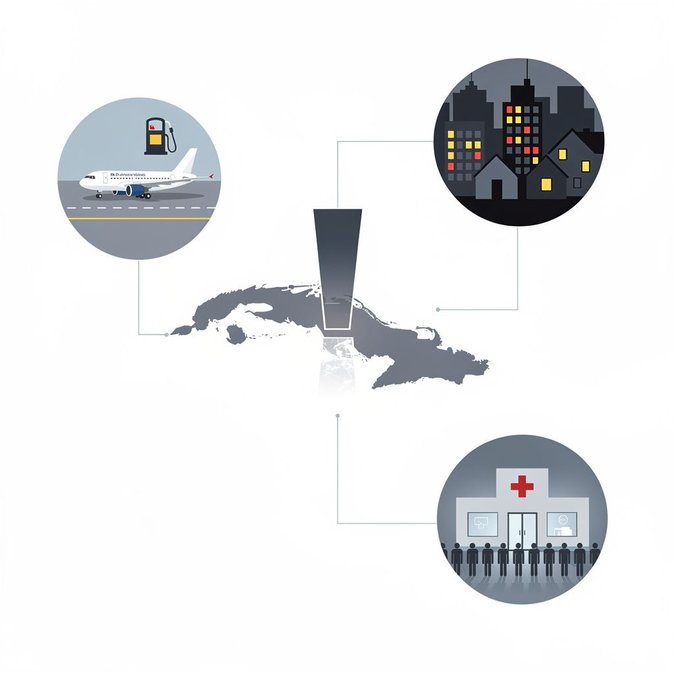
Austria Warns Against Non-Essential Travel to Cuba Amid Fuel, Power & Medical Shortages
On 8 October 2026 Austria raised its travel advice for Cuba to Security Level 3, urging citizens to defer all non-essential trips due to severe fuel shortages, widespread power cuts and a collapse in medical services. The warning has direct consequences for Austrian companies that rely on Cuban travel or on-site staff, as transport, health care and basic infrastructure are increasingly unreliable.