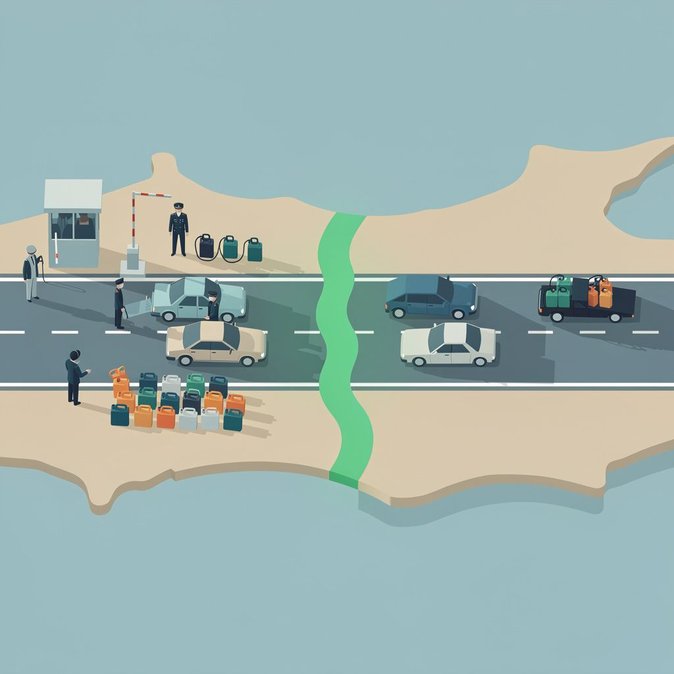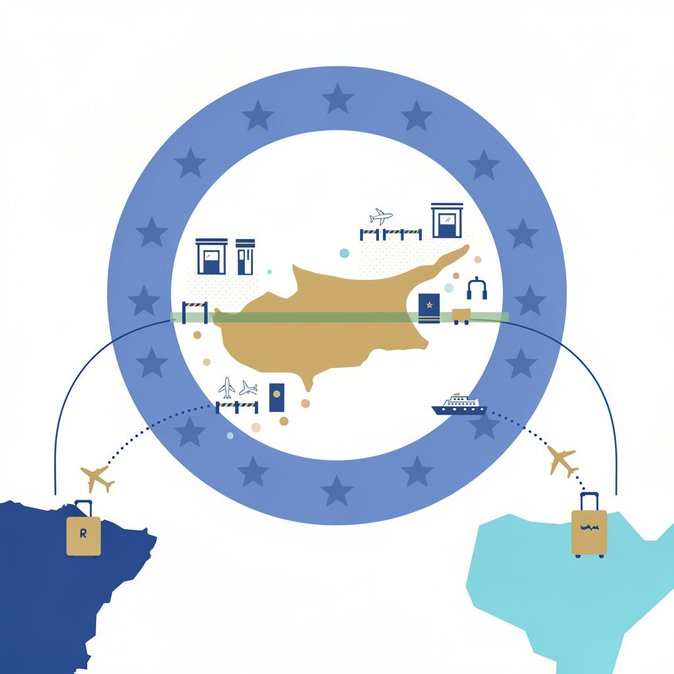
Cyprus’ Deputy Minister of Migration and International Protection, Nikolas Ioannides, told a University of Nicosia audience on 9 October that the island has slashed irregular-migration arrivals by “around 90 %” compared with last year. The dramatic drop follows the roll-out of the EU Pact on Migration and Asylum in June 2026 and the government’s own 14-point action plan that tightened border surveillance, fast-tracked asylum screening, expanded the use of the EU’s Return Coordinator network and offered cash incentives for voluntary repatriation. Ioannides said processing times for new asylum claims have fallen from an average of 13 months to just under five, while the number of pending cases has been halved. Cyprus has also doubled its capacity at first-reception centres and signed readmission agreements with Nigeria, Pakistan and the Democratic Republic of Congo to speed up returns of failed applicants. A mobile biometrics unit stationed at the Green Line now screens arrivals within minutes and cross-checks fingerprints against Eurodac and Interpol in real time. For employers, the minister stressed that labour-market tests remain in place: companies that need third-country nationals must show genuine skills shortages and commit to paying at least the national median wage. Immigration lawyers report that highly skilled work-permit approvals have become faster because officials are no longer overwhelmed by low-prospect asylum claims. Business groups broadly welcomed the figures, arguing that a more predictable asylum system improves Cyprus’ attractiveness for regional headquarters and shared-services centres. Human-rights NGOs cautioned, however, that faster procedures must not come at the expense of thoroughness and legal safeguards for vulnerable applicants. Looking ahead, Ioannides said Cyprus will focus on integration of recognised refugees, including language training and employer incentives. Brussels is expected to release an evaluation of Cyprus’ implementation of the new Pact by December; a positive opinion would unlock an additional €25 million in EU border-management funding next year.
Source: Cyprus Mail