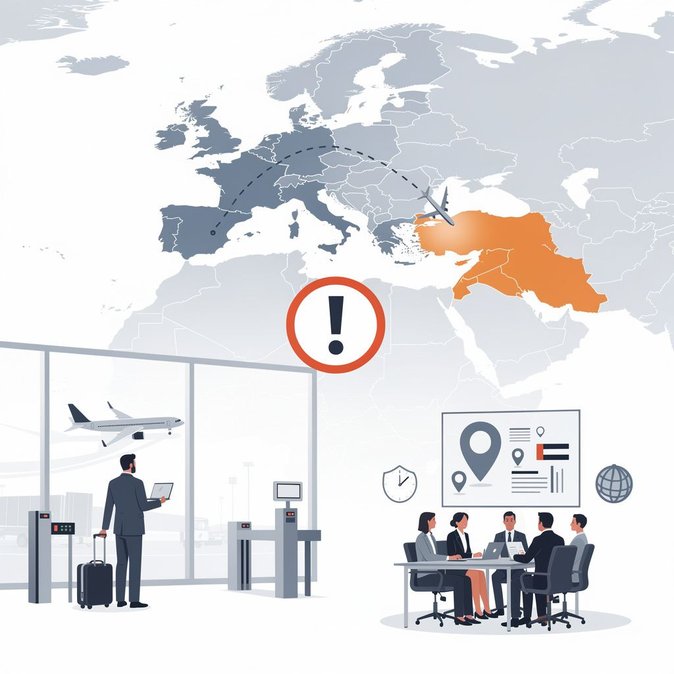
Germany’s Federal Foreign Office (Auswärtiges Amt) updated its travel and security guidance for the United Arab Emirates on 14 October, maintaining the highest caution level—"avoid all non-essential travel"—because of escalating military activity in the wider Gulf. While the wording of the advisory remains largely unchanged since 30 September, officials highlighted fresh concerns about potential spill-over attacks and urged travellers to stay clear of military and diplomatic facilities. The advisory will influence German multinational employers that manage sizeable engineering and logistics workforces in the UAE. Under many corporate travel-risk policies, a change from “exercise increased caution” to “avoid non-essential travel” automatically triggers a board-level review and may require written justification for trips that proceed. Some insurers also mandate the use of higher-tier hotels with proven crisis-management plans when such advisories are in force. Practically, German passport holders do not face new entry barriers: UAE visas-on-arrival remain available, and no airlines have cut Germany-UAE frequencies. However, the alert may prompt stricter internal approvals, affect kidnap-and-ransom insurance premiums and complicate family-accompanied assignments scheduled for Q4 2026. German residents already working in the Emirates are advised to enrol in the ELEFAND crisis registry and keep travel plans flexible. Employers elsewhere in Europe are monitoring Berlin’s stance, as France and the Netherlands often mirror German risk ratings within days. Companies with Schengen-area expatriates in the Gulf should, therefore, prepare for wider intra-EU shifts in advisory levels and ensure that duty-of-care documentation is up to date.
Source: Auswärtiges Amt