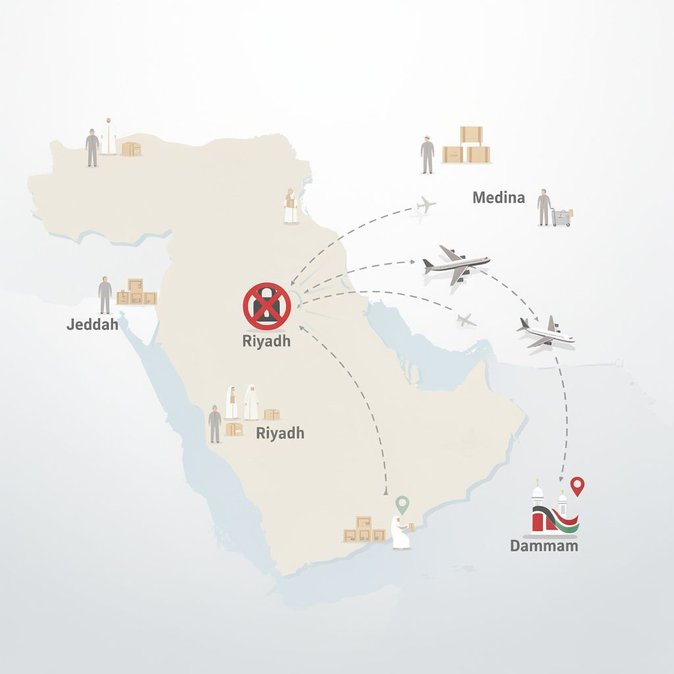
Saudi Arabia’s General Authority of Civil Aviation (GACA) has prolonged the closure of King Khalid International Airport (RUH) until 23:59 on 17 October after successive projectile-strike incidents in the vicinity of the capital. The decision, confirmed on 14 October, forces airlines to cancel or reroute hundreds of daily services and has immediate knock-on effects for the United Arab Emirates, whose carriers normally operate more than 60 daily round-trips to the Saudi capital. Emirates, Etihad, flydubai and Air Arabia have removed Riyadh from their schedules for at least the next three days, and have automatically rebooked affected passengers on later dates or alternative Saudi gateways such as Jeddah, Medina and Dammam. Travel agencies that specialise in Umrah packages report a 70 per cent drop in fresh bookings this week, with many pilgrims opting to postpone trips until flight patterns stabilise. Corporate travel managers say short-notice meetings in Riyadh are being shifted online or relocated to Dubai, while air-freight forwarders warn that perishable cargo is being diverted via Bahrain and Kuwait at higher cost. The timing is awkward: October marks the start of the peak pilgrimage and conferencing season, and UAE nationals enjoy a four-day public holiday from 16 October. Hoteliers in Jeddah and Medina have already flagged occupancy of more than 90 per cent as pilgrims scramble for rooms near alternative arrival points. Meanwhile, Saudi authorities have relaxed road-permit requirements for UAE-registered buses entering the kingdom, and have waived domestic-connection change fees for passengers holding RUH-bound tickets. For UAE-based employers, the practical advice is to check employee itineraries, authorise higher surface-transport costs where necessary and remind staff that Saudi visas linked to flights into Riyadh remain valid for entry through other airports. Travellers should also monitor GACA notices in case the closure is further extended or lifted ahead of schedule.
Source: Gulf News (via Scooped)