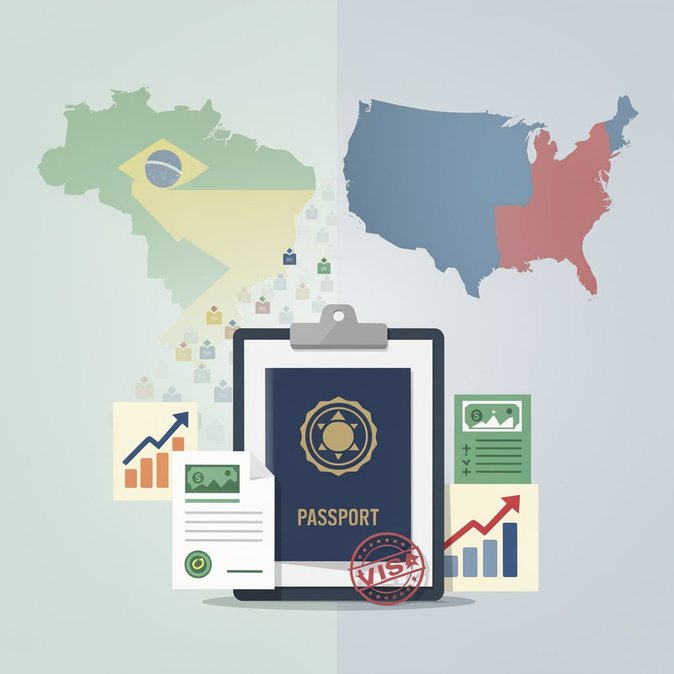
With Brazil’s presidential runoff only weeks away, applicants and HR managers are again asking whether a change in Brasília will make it easier—or harder—to obtain a U.S. B-1/B-2 visa. Consultancy Viaggi Vistos published a 14 October white-paper analysing two decades of U.S. State Department refusal rates and concludes that the occupant of the Palácio do Planalto has little measurable impact. Drawing on official “Adjusted Refusal Rate” tables from 2006-2025, the firm notes that approvals rose in good economic periods (down to 3.2 % refusals in 2012/2014) and plummeted during recessions and pandemic disruption (23.16 % in fiscal 2020). Political transitions in 2011, 2016 and 2023 show no correlation. Under U.S. immigration law section 214(b), each case is judged individually, and consular officers focus on personal ties rather than macro politics. For mobility planners the takeaway is pragmatic: macro-economics—not politics—drive the perceived “strong ties” that applicants must demonstrate. When GDP expands, applicants tend to have steadier jobs, assets and travel history, boosting approval odds; when the economy contracts, refusals spike regardless of the party in power. Companies therefore should concentrate on financial documentation, employment letters and travel histories rather than speculate on election outcomes. The report advises HR teams to prepare candidates with realistic expectations, emphasise truthful DS-160 answers and avoid myths about presidential influence. It also recommends monitoring economic indicators such as unemployment and exchange rates that consular sections informally consider when assessing immigrant intent. The analysis, though not an official U.S. statement, offers timely statistical grounding for Brazilian corporates planning 2027 budgets and head-count mobility scenarios. By decoupling visa strategy from electoral politics, it enables more accurate forecasting of assignment timelines and costs.
Source: Viaggi Vistos