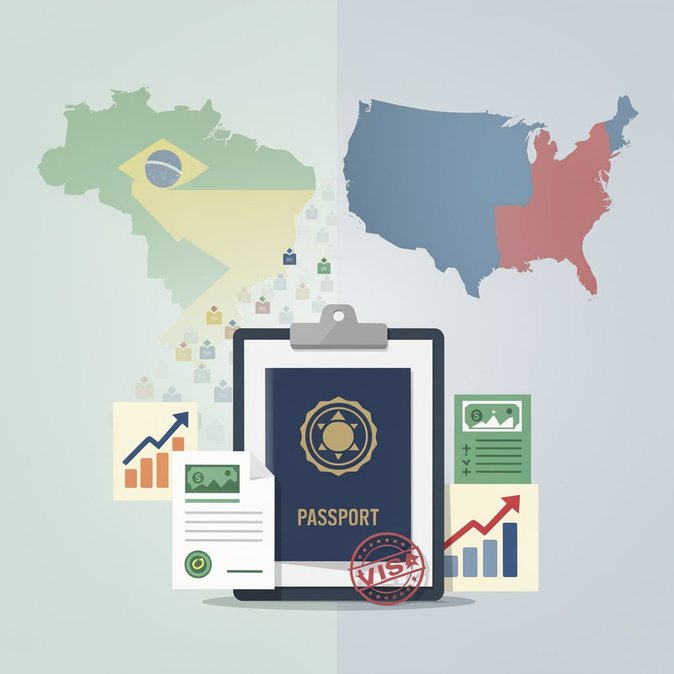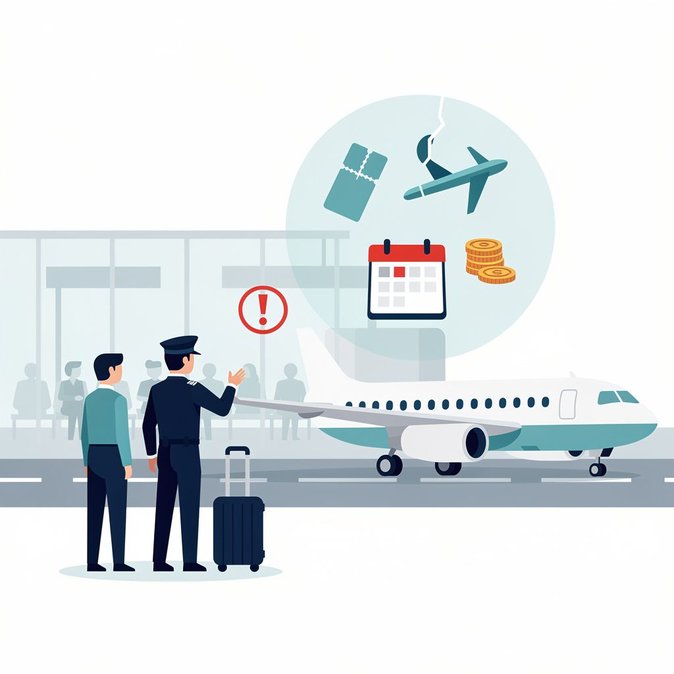
Exactly thirty days after Brazil’s National Civil Aviation Agency (ANAC) began enforcing Resolution 813—which created a graduated fine system and temporary flight bans for disruptive passengers—the regulator has published its first data snapshot. In a dawn press briefing on 14 October, officials confirmed 57 documented cases of indiscipline aboard aircraft or in secure airport zones. Four incidents were severe enough to warrant fines of up to R$17,500 and temporary suspension of flying rights for up to one year; the most serious involved a false bomb threat at Belo Horizonte/Confins on 30 September. The new regime, inspired by the European Union’s Regulation 261 and the US FAA’s zero-tolerance policy, allows airlines to file expedited reports through ANAC’s Digital Passengers Portal. Once validated, cases are graded—light, moderate, serious or very serious—with escalating penalties that can culminate in a nationwide no-fly listing. According to ANAC, 29 of the September–October incidents took place during boarding or de-planing, 19 in flight and nine inside departure lounges, illustrating that disruptive behaviour is not confined to the cabin. Airlines have welcomed the clarity. Gol, Azul and LATAM told the Brazilian Airlines Association that frontline staff feel “legally backed” to deny boarding when aggression escalates. The National Union of Airline Employees (SNA) adds that cabin crew sick-leave linked to passenger aggression dropped 8 percent in the last four weeks, an early sign the regulation is acting as a deterrent. For mobility and corporate-travel teams, the rule has two practical implications. First, travellers who misbehave risk having future itineraries voided without refund if they end up on ANAC’s suspension list; second, companies may face reputational damage and duty-of-care questions if employees trigger sanctions while on assignment. Travel policies should therefore spell out expected behaviour and potential disciplinary consequences inside the company. Looking ahead, ANAC plans quarterly data releases and is working with the Federal Police to unify watch-lists so that severe offenders are flagged at checkpoint entry rather than at the gate. The regulator will also launch an awareness campaign in November, coinciding with the southern-hemisphere summer peak, to remind passengers that physical or verbal aggression is now a federal offence rather than a customer-service issue.
Source: NotíciaPlus